
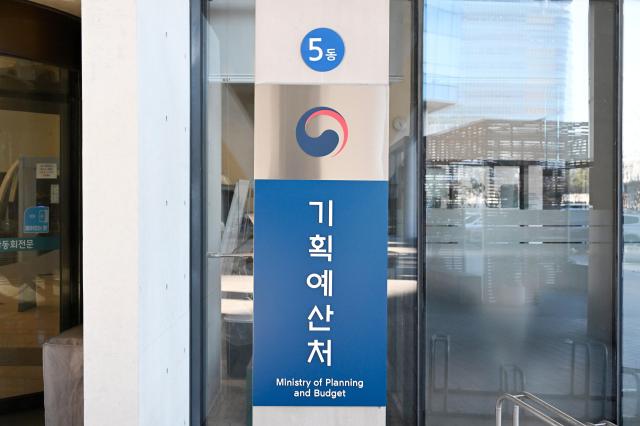
Photo by the Ministry of Planning and Budget
To effectively address regional extinction, experts recommend focusing on developing new industries tailored to local characteristics and strategies to attract population influx, rather than simply relocating companies from the capital region.
On June 4, the Ministry of Planning and Budget and the Long-term Strategy Committee held the sixth meeting of the Future Society Strategy Group, where they discussed strategies to enhance local resilience and long-term policies on climate and energy.
Participants, including public and private researchers, suggested restructuring industrial frameworks around strategic hubs and creating population influx strategies that align with regional characteristics.
Kwon Oh-hyun, chair of the Long-term Strategy Committee, stated, "Relocating companies from the capital region is not realistically feasible. We need an industrial policy framework that includes legal and institutional incentives to attract new industries to the regions."
Inso Young, a professor in the Department of Civil and Environmental Engineering at KAIST, emphasized that "the demographic groups needed in each region vary," advocating for tailored incentives and living conditions that cater to specific groups, such as retirees and foreign workers.
Kye Bong-oh, a sociology professor at Kookmin University, noted, "Relying solely on corporate relocations is insufficient for fostering self-sustaining growth in the regions. We need to empower local governments at the metropolitan level to create their own growth drivers through attracting businesses and developing industrial ecosystems."
The Ministry of Planning and Budget and the Long-term Strategy Committee plan to continue discussions based on the meeting's outcomes to establish a long-term national development strategy.
On June 4, the Ministry of Planning and Budget and the Long-term Strategy Committee held the sixth meeting of the Future Society Strategy Group, where they discussed strategies to enhance local resilience and long-term policies on climate and energy.
Participants, including public and private researchers, suggested restructuring industrial frameworks around strategic hubs and creating population influx strategies that align with regional characteristics.
Kwon Oh-hyun, chair of the Long-term Strategy Committee, stated, "Relocating companies from the capital region is not realistically feasible. We need an industrial policy framework that includes legal and institutional incentives to attract new industries to the regions."
Inso Young, a professor in the Department of Civil and Environmental Engineering at KAIST, emphasized that "the demographic groups needed in each region vary," advocating for tailored incentives and living conditions that cater to specific groups, such as retirees and foreign workers.
Kye Bong-oh, a sociology professor at Kookmin University, noted, "Relying solely on corporate relocations is insufficient for fostering self-sustaining growth in the regions. We need to empower local governments at the metropolitan level to create their own growth drivers through attracting businesses and developing industrial ecosystems."
The Ministry of Planning and Budget and the Long-term Strategy Committee plan to continue discussions based on the meeting's outcomes to establish a long-term national development strategy.
* This article has been translated by AI.
Copyright ⓒ Aju Press All rights reserved.