SEOUL, June 11 (AJP) - The story of how Korea and France first encountered each other began far from Paris — on a remote island off Korea's southwestern coast.
In the spring of 1851, the French whaling ship Narval ran aground near Bigeumdo. Stranded sailors found unexpected refuge among local Joseon officials who offered food, shelter and assistance despite sharing no common language. When French consul Charles de Montigny arrived from Shanghai to retrieve the crew, he reportedly found not hardship but hospitality.
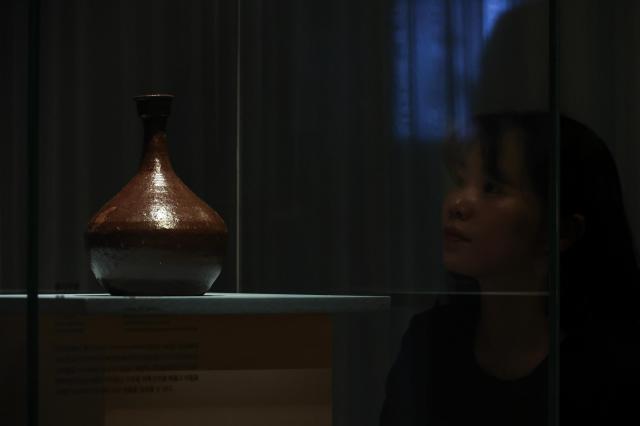
At a farewell banquet, French champagne and wine sat alongside Korean makgeolli. Before departing, Montigny received a simple earthenware wine bottle as a gift. A small object. A quiet gesture. It would become one of the earliest surviving traces of contact between Korea and France — 35 years before the two countries formally established diplomatic relations through the Treaty of Friendship, Commerce and Navigation in 1886.
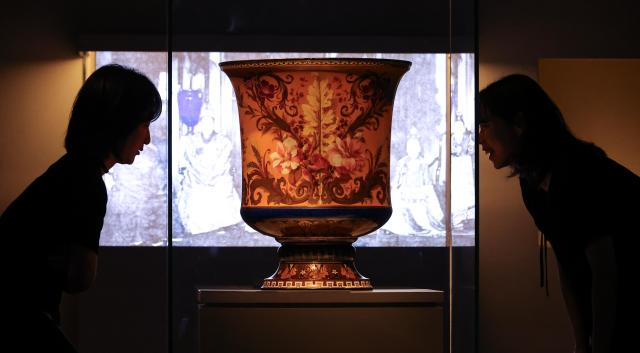
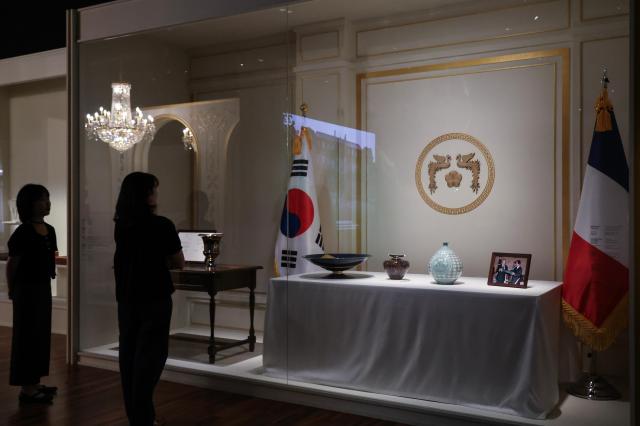
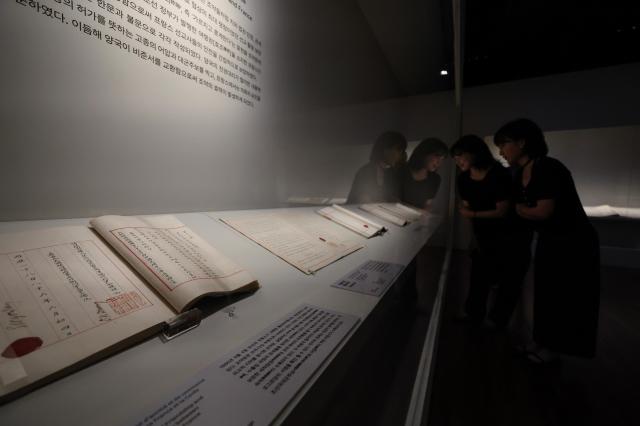
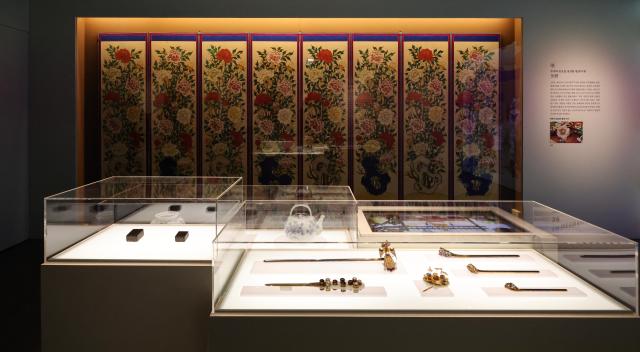
Today, that story unfolds across two exhibitions in Seoul marking the 140th anniversary of Korea-France diplomatic ties. At the National Palace Museum of Korea, Gifts and Records: 140 Years of Korea-France Friendship brings together diplomatic documents, letters and state gifts that trace the relationship from the late Joseon Dynasty to the present.
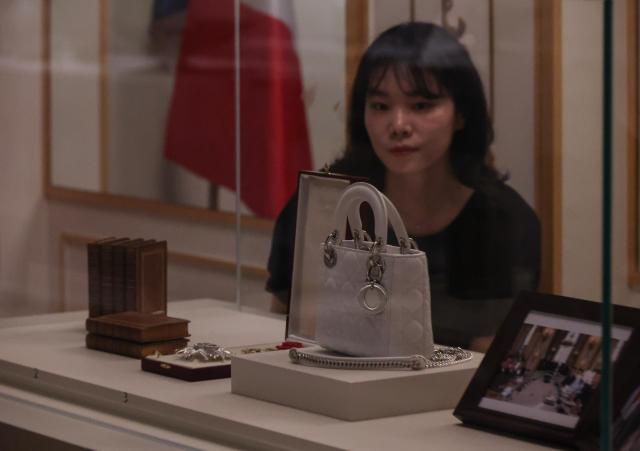
Among the exhibition's most significant pieces are the original treaty documents and ratification records preserved separately in Korea and France, displayed together for the first time. Nearby are royal gifts exchanged between King Gojong and French President Sadi Carnot — reminders that diplomacy was often conducted not only through signatures and seals, but also through carefully chosen objects.
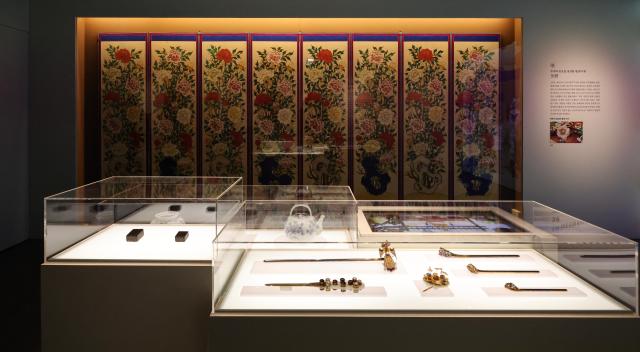
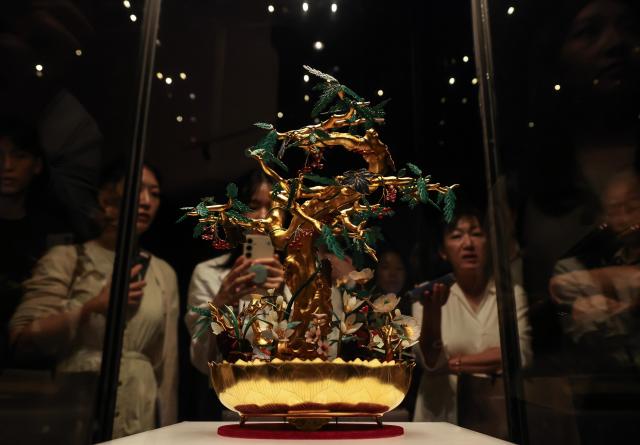
At Deoksugung Palace's Dondeokjeon Hall, another exhibition focuses on a single gift. Banhwa: Auspicious Wishes centers on a royal decorative arrangement sent by King Gojong to the French president after diplomatic relations were established. Set upon a lotus-shaped stand, the work combines peonies, orchids, pine trees and arborvitae — each carrying a wish from the Joseon court. Prosperity. Longevity. Integrity. Renewal.
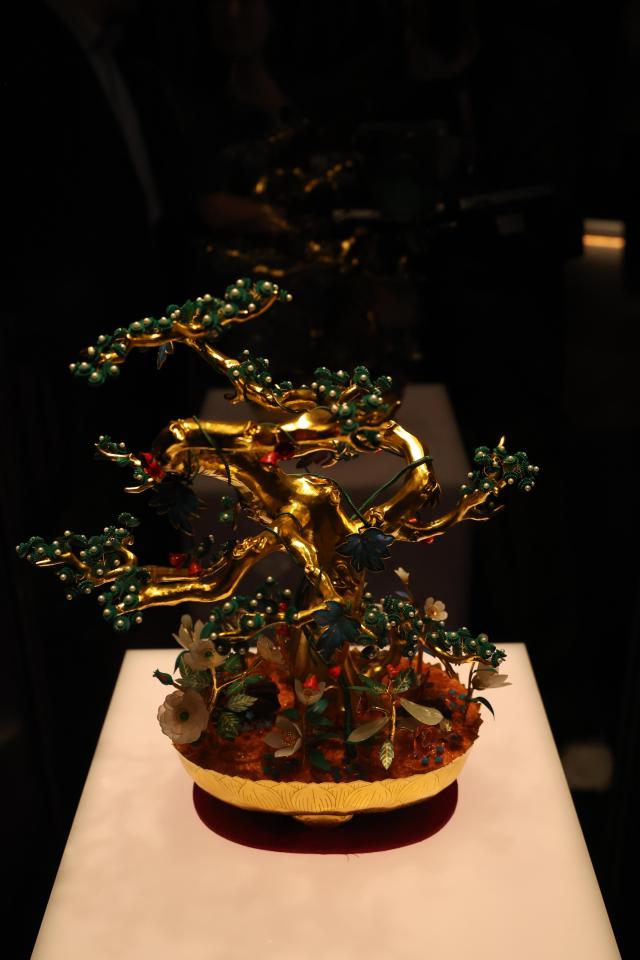
The original remains in Paris at the Guimet Museum. For this exhibition, a painstakingly restored replica created by National Intangible Cultural Heritage holder Kim Young-hee returns the royal gift to Korean audiences for the first time. What connects both exhibitions is a simple idea.
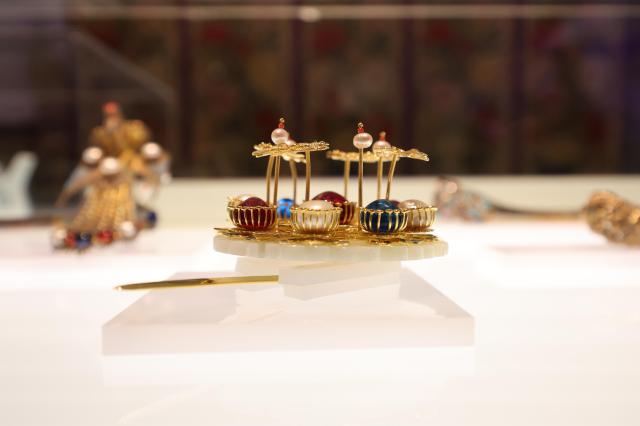
History is often remembered through treaties and dates. Yet relationships between nations are also built through objects that survive long after the people who exchanged them are gone. An earthenware bottle carried from Bigeumdo. A royal flower arrangement sent across continents. Letters, gifts and records exchanged over generations. Together they tell a quieter story of Korea and France — one measured not only in diplomacy, but in gestures of goodwill.
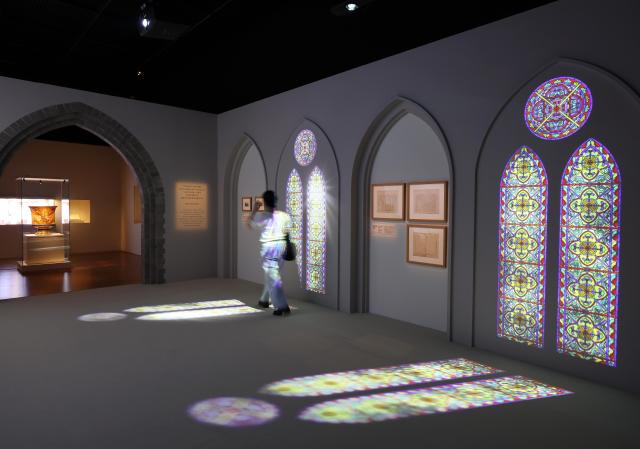
As Korean culture enjoys growing popularity in France and French art, cuisine and fashion remain beloved in Korea, these exhibitions offer a reminder that cultural exchange did not begin with K-pop or tourism. It began with a shipwreck, a shared meal and a gift.

Copyright ⓒ Aju Press All rights reserved.