
According to Investing.com, as of 8:25 a.m. KST on June 15, Brent crude futures fell by $3.47 (3.97%) to $83.86 per barrel. West Texas Intermediate (WTI) futures also dropped by $3.83 (4.51%) to $81.05 per barrel.
U.S. stock index futures rose across the board. As of 8:15 a.m. KST, Nasdaq 100 futures increased by 350.50 points (1.17%) to 30,305.25, while S&P 500 futures rose by 53.50 points (0.71%) to 7,551.00. Dow Jones 30 futures also gained 283.00 points (0.55%) to reach 51,888.00.
Earlier, President Donald Trump announced on his social media platform Truth Social that "the agreement with the Islamic Republic of Iran is now complete," stating that he fully approved the reopening of the Strait of Hormuz without tolls and the immediate lifting of the U.S. maritime blockade. He added, "All ships of the world, start your engines. Let the oil flow."
Trump later clarified in a separate post that the Strait of Hormuz would reopen on June 19 for mine removal operations.
Kazem Gharibabadi, Iran's Deputy Foreign Minister, confirmed through Iranian state television that a peace agreement with the U.S. had been reached. He stated that the agreement includes an end to hostilities on all fronts, including Lebanon, and that negotiations for a final agreement would take place over the next 60 days. However, he noted that Iran could take its own measures in response to any violations by the other side.
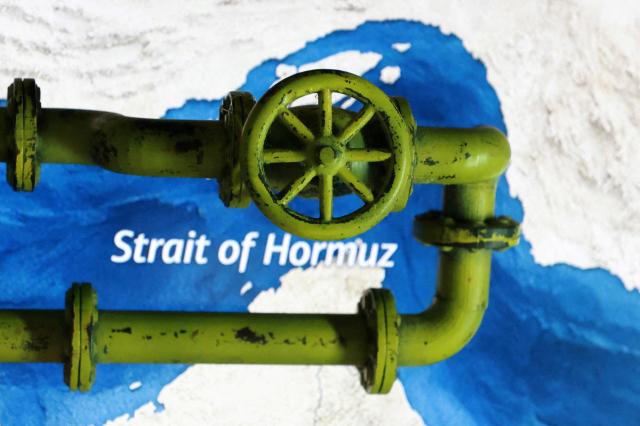
The key aspect of this agreement is the reopening of the Strait of Hormuz, a critical maritime chokepoint through which approximately 20% of the world's oil supply passes. The strait has been effectively closed since the outbreak of war on February 28. Yahoo Finance reported that the closure of major shipping routes has led to rising costs for oil, gasoline, fertilizers, and packaging materials, impacting the overall U.S. economy.
However, there are predictions that it may take time for shipping operations in the strait to normalize. Many vessels are currently waiting on both sides, and logistical procedures such as mine removal and safety inspections remain.
Patrick DeHaan, an analyst at GasBuddy, noted on social media platform X that U.S. gasoline prices could drop to around $3.75 per gallon by July 4, but emphasized that the coming days would be a critical period to assess the durability of the agreement.
* This article has been translated by AI.
Copyright ⓒ Aju Press All rights reserved.