
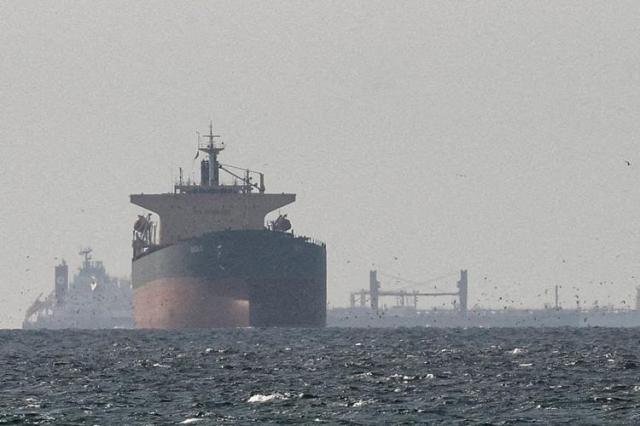
The issue of transit fees for the Strait of Hormuz has emerged as a new point of contention in the U.S.-Iran Memorandum of Understanding (MOU) regarding peace. Iranian media reported that the U.S. has effectively recognized Iran's right to collect transit fees, while President Donald Trump emphasized the importance of keeping the strait open without tolls, leading to differing interpretations between the two sides.
According to the Iranian semi-official news agency Fars on June 15, the final draft of the U.S.-Iran peace MOU, set to be signed on June 19, includes provisions stating that Iran and Oman will determine future maritime navigation services in the Strait of Hormuz.
Fars cited informed sources indicating that the sovereignty issues concerning the strait were specified during the final stages of negotiations. The inclusion of the term 'maritime services' is interpreted by Iran as the U.S. acknowledging its right to collect fees related to vessel transit.
The agency reported that Iran plans to allow free passage for vessels for only the next 60 days. After that period, Iran intends to impose fees on commercial ships passing through the Strait of Hormuz, which will be used to support the country's economic development in exchange for safety, navigation, environmental, and insurance services.
Energy industry experts suggest that if the controversy over transit fees in the Strait of Hormuz materializes, it could impact shipping costs for Middle Eastern crude oil and LNG, potentially becoming a new variable in global energy prices.
Fars also reported that consultations with Oman have been finalized. The Strait of Hormuz, a critical energy transport route located between Iran and Oman, requires coordination between the two countries to impose any transit fees.
However, the U.S. perspective differs. In an interview with The New York Times the previous day, President Trump stated that the agreement would guarantee permanent toll-free passage through the Strait of Hormuz. He also confirmed on social media that he supports the toll-free opening of the strait.
Fars noted that the term 'fees' used in the report refers to charges for services provided, not a government-imposed 'toll.' This highlights the differing interpretations between the two sides regarding the agreement on the opening of the strait.
* This article has been translated by AI.
Copyright ⓒ Aju Press All rights reserved.