

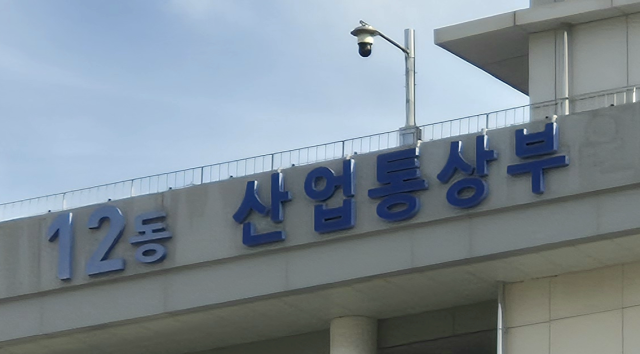
On June 16, the Ministry of Trade, Industry and Energy held the second public-private industrial security dialogue in Gangnam, Seoul, with major companies and relevant associations in the machinery, battery, and automotive sectors.
Recently, several countries have tightened controls over advanced technologies and key manufacturing sectors citing national security. Regulations surrounding rare earth elements, critical minerals, and dual-use items have expanded, impacting companies' raw material procurement and export activities. Industry experts note that reducing dependence on specific countries and diversifying supply chains have emerged as new management challenges.
During the meeting, discussions included trends in export controls on dual-use items from major countries, enhanced management of rare earths and critical minerals, and developments in international export control systems. The ministry also conducted individual interviews with companies to identify potential risks by sector.
In the machinery sector, the management of exports for advanced machine tools was a key agenda item. These machine tools can be used in the production of military goods, making them a focus of international export controls. The ministry explained compliance obligations regarding final use verification and export licensing procedures for exporting companies and gathered suggestions for system improvements.
In discussions with the battery industry, the focus was on securing key minerals used as raw materials for cathodes and anodes. With countries tightening export controls on domestic minerals and raw materials, ensuring stable raw material supply has become a critical issue for the industry. Both the government and industry representatives agreed on the need to diversify supply chains by exploring alternative sources.
The automotive sector examined supply chain risks not only for upstream materials like rare earths and minerals but also for downstream components such as vehicle semiconductors and electronic parts. Given the complex supply chains involving engines, motors, bodies, and electronic components, there are significant concerns that disruptions in the supply of specific items could affect overall vehicle production.
The Ministry of Trade, Industry and Energy initiated public-private industrial security dialogues in April, starting with the semiconductor and AI sectors. Following the discussions on machinery, batteries, and automobiles, the ministry plans to expand talks to the defense, robotics, and aerospace sectors in the second half of the year.
Kim Tae-woo, Director of Trade Security Policy at the ministry, stated, "In the rapidly changing economic security environment, our manufacturing sector is facing complex challenges. We will support the export industry to secure irreplaceable core technologies and enhance competitiveness in terms of industrial security, going beyond mere compliance with regulations."
* This article has been translated by AI.
Copyright ⓒ Aju Press All rights reserved.