According to the Ministry of the Interior and Safety, a nationwide forum is scheduled for early next month to gather public opinion on expanding medical coverage for hair-loss treatment, among other issues.
Health officials say that stressed-out younger South Koreans, particularly those in their 20s and 30s, often face difficulties in their social and job-related activities due to hair loss.
The push reflects a broader shift in perception, as hair loss, once dismissed as a purely cosmetic concern, is now increasingly seen as affecting quality of life, mental health, and social life.
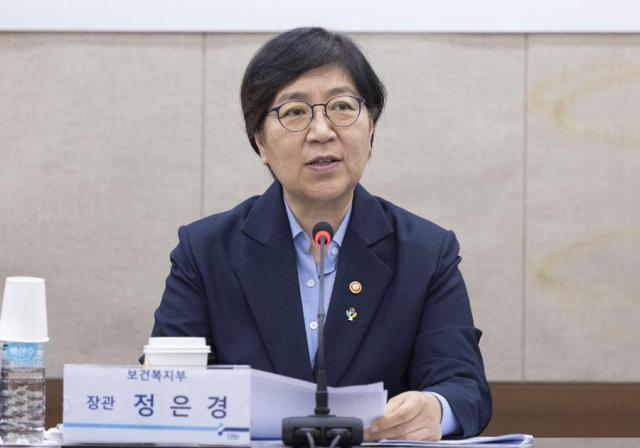
In a press briefing last week marking the first year of President Lee Jae Myung in office, Health and Welfare Minister Jeong Eun-kyeong said that preliminary reviews on hair-loss treatment being covered by public health insurance have been completed, with more detailed plans expected to be announced soon.
Her remarks were widely interpreted as a follow-up to President Lee's instruction to the ministry last December to consider the matter, in which he described hair loss as a "matter of survival" among younger people.
At present, medically diagnosed forms of hair loss such as alopecia areata are covered by national health insurance, with around 240,000 patients benefiting from coverage as of 2024, while treatments for male-pattern baldness and other forms of hair loss, which are considered cosmetic, must be paid for entirely out of pocket.
Supporters of expanded insurance coverage argue that, for many young people, hair loss is not merely an aesthetic concern but a condition that can affect self-confidence, job prospects, and personal relationships, stressing the need to help reduce the burden on those individuals.
However, this has also faced strong criticism from patient groups and other advocates. They say that expanding coverage could put more pressure on an already depleted health insurance fund. They argue that the fund should prioritize severe, life-threatening illnesses such as cancer and rare diseases, as treatment costs are often extremely expensive and many patients cannot afford them.
They also argue that it is a populist move to woo voters, as the proposal prioritizes individuals aged 20 to 34 who would benefit from it, a demographic that leaned unfavorable toward the government in local elections earlier this month.
Others, particularly those aged 34 and above, are also opposing the move, arguing that they are unfairly excluded, while patients with obesity are also calling for insurance coverage on similar grounds.
Copyright ⓒ Aju Press All rights reserved.