
According to reports from Reuters and Bloomberg on June 15, the U.S. and Iran are expected to sign a memorandum of understanding (MOU) in Switzerland on June 19. The agreement is anticipated to include the reopening of the Strait of Hormuz and a subsequent 60-day negotiation period.
Israel views this agreement as a shift to negotiations without addressing core issues. The initial goal of pressuring the Iranian regime appears unfulfilled, and there are concerns that critical topics such as Iran's nuclear program, missile development, and support for pro-Iran militant groups like Hezbollah may not be adequately addressed. Israeli officials expressed worries that their influence in the negotiation process has been limited and that the timeline could extend to 90 days.
The Lebanon front is a prominent point of conflict between the U.S. and Israel. Iran has demanded a halt to military operations across all fronts, including Lebanon. President Trump has reportedly expressed concerns that airstrikes in Beirut could disrupt negotiations with Iran. In contrast, Netanyahu has stated that Israeli forces will continue to be stationed in southern Lebanon and will retain the freedom to respond to Hezbollah attacks.
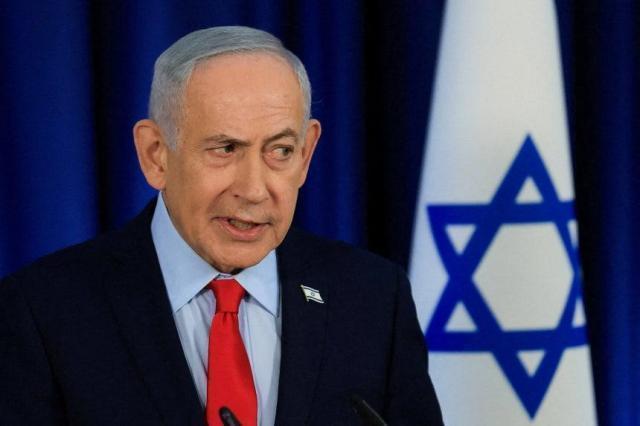
This conflict is also creating political pressure for Netanyahu domestically. He has long touted his close relationship with President Trump as a diplomatic asset. However, criticism is growing that the U.S. has not adequately considered Israel's security needs in the process of ending the war.
Bloomberg analyzed that this agreement poses a political burden for Netanyahu ahead of the upcoming fall elections. A poll by the Israel Democracy Institute found that 61% of respondents believe he should not seek another term. Among Jewish Israelis, the percentage who believe Trump views their security as a primary concern has dropped from 64% in March to 41% recently.
Netanyahu stated, "I am responsible for Israel's security interests," acknowledging that there may be differences with the U.S. However, given that the U.S. is Israel's most significant military and diplomatic ally, openly clashing with Trump is challenging. If issues regarding nuclear and missile threats or the Lebanon front resurface following the U.S.-Iran agreement, Netanyahu is likely to face increased pressure on both his strategy against Iran and his reelection efforts.
* This article has been translated by AI.
Copyright ⓒ Aju Press All rights reserved.