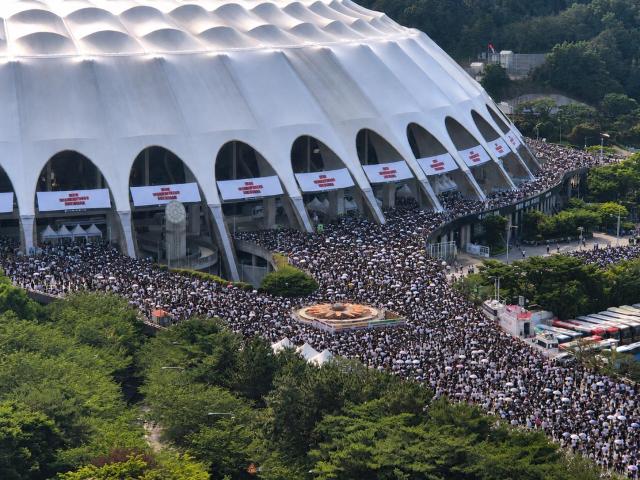
SEOUL, June 16 (AJP) - BTS returned to Busan on June 12 for the homecoming stretch of its "Arirang" tour, but the concert began about 75 minutes later than scheduled. HYBE later apologized, citing confusion in on-site guidance, bottlenecks in fan gift distribution lines and delays in merchandise pickup.
Two months earlier, the same tour had opened on April 9 at Goyang Stadium, an open-air athletic stadium in Goyang, north of Seoul, where fans watched the show in the rain. Neither case was solely about BTS.
Together, they pointed to a broader question facing South Korea's live music industry: whether the country's concert infrastructure has kept pace with the global scale of K-pop.
Why Seoul keeps running out of room
Seoul's largest venue for stadium-scale concerts, Jamsil Sports Complex Main Stadium, has been closed for renovation since 2023 and is not due to reopen until December 2026.
Seoul World Cup Stadium, one of the few venues in the capital capable of hosting crowds of more than 60,000, has limited concert rentals because of concerns over turf damage. Gocheok Sky Dome, another major option, is largely unavailable during the professional baseball season, which runs from spring through autumn.
That has left promoters competing for a limited number of alternatives, including the 15,000-seat KSPO Dome and Inspire Arena in Incheon. Industry officials have described the competition for available dates as a "rental war."
The shortage predates the Jamsil closure. Korean pop music was not formally recognized by the state until the late 1990s, after decades of censorship, and investment in large-scale concert infrastructure came later than the industry's commercial rise.
Land in Seoul is scarce and expensive, while major venue projects have often faced delays, cost pressures and administrative hurdles.
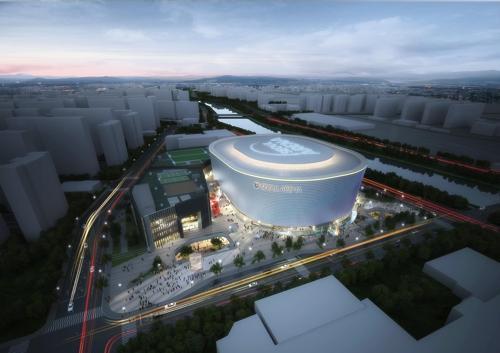
Kim Myung-soo, head of the Korea Entertainment Producers' Association, has pointed to high construction costs, land shortages and limited administrative support as recurring obstacles to building large venues. Seoul Arena, a long-discussed project in Dobong District, was first proposed around 2015 and is expected to open in May 2027.
Japan's dome circuit, China's access problem
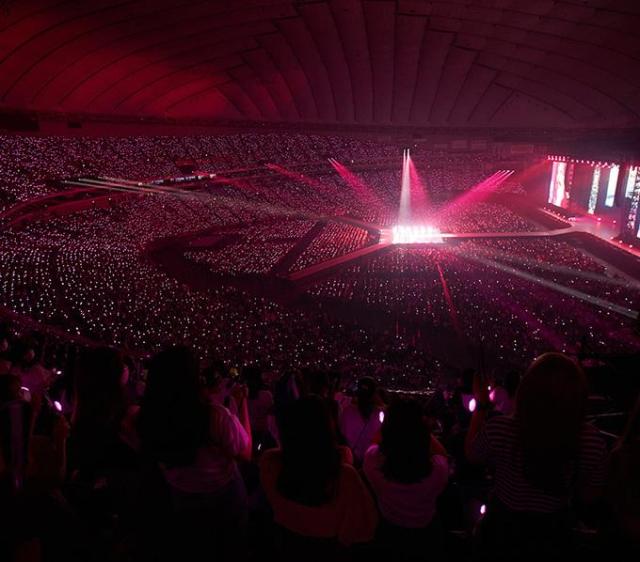
Japan offers a different model. Tokyo Dome, Kyocera Dome Osaka and comparable venues in Nagoya and Fukuoka give touring acts a clear circuit of dome-scale venues. Many are also embedded in districts designed to absorb large crowds.
Tokyo Dome City, for example, surrounds the venue with a hotel, restaurants, shopping and direct subway access, making the concert part of a wider entertainment district rather than an isolated stadium event.
Japanese concerts still face congestion, merchandise-line delays and hotel price surges. But the surrounding infrastructure gives organizers more room to manage crowd flow and gives fans more places to wait, move and spend time before and after a show.
China presents a different contrast: substantial physical capacity, but uncertain access for K-pop. Beijing's National Stadium, known as the Bird's Nest, seats roughly 80,000, while Mercedes-Benz Arena in Shanghai holds around 18,000. Yet no major K-pop act has held a large-scale concert in mainland China in nearly a decade, following the diplomatic chill that began after South Korea's 2016 deployment of the U.S. THAAD missile defense system.
Last September, the Dream Concert, billed as one of the biggest K-pop events China had scheduled in years, was postponed indefinitely in Hainan days before its scheduled date. A separate Kep1er concert in Fuzhou was also canceled the same month. Hong Kong has shown some signs of reopening to K-pop events, but mainland China remains uncertain.
The money at stake
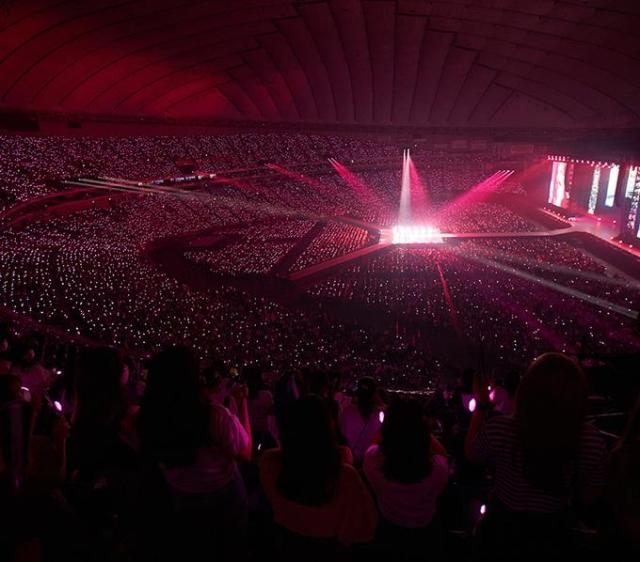
South Korea's pop concert market set a record last year, with ticket sales rising 29 percent to approximately $730 million, even as some of Seoul's largest stages were closed for renovation, restricted from concerts or already booked.
Promoters who have handled Asian tour dates for acts such as Oasis and Mariah Carey have linked the venue shortage to Madonna and Adele bypassing Korea in the 2010s. Industry figures have also pointed to Taylor Swift's 2024 Asia tour, which stopped in Tokyo but not Seoul, as another example of how venue limitations can affect Korea's ability to attract the largest global tours.
The economic effect works in both directions. When fans travel abroad for concerts that skip Korea, related spending on hotels, dining, transport and merchandise goes elsewhere. When major concerts are held in Korea, that spending can move into local neighborhoods.
Kim Hee-jeong, 62, runs a convenience store near Busan Asiad Main Stadium. She has watched the pattern repeat since BTS held its "Yet to Come in Busan" concert at the same venue on Oct. 15, 2022, a free show staged to support the city's bid to host the 2030 World Expo.
"When BTS makes a comeback or holds a major concert, related collaboration products come in, and they clearly help sales," Kim said. "I can't put a number on it, but when that many people come to Busan, it has to be good for the city."
The congestion outside the stadium this time, delayed entry, backed-up lines and long waits, did not change her view.
For local businesses, large concerts are not only cultural events but also economic opportunities.

A plan still mostly on paper
The government has outlined a plan. Culture Minister Chae Hwi-young said in a December briefing that the government would first retrofit regional sports facilities for concert use, then rely on Seoul Arena and a planned Goyang Arena over the next few years before pursuing a purpose-built large dome.
"We need to have a dome of 50,000 seats," Chae said, describing a venue designed from the start to host both sports and concerts rather than relying on retrofitted sports facilities.
Skepticism remains. Seoul Arena has been in development for roughly a decade without opening, while CJ Live City, a comparable project in Goyang, has been stalled since construction was suspended in 2023. The venue shortage is also expected to tighten before it eases, with Jamsil Indoor Stadium set for demolition in July 2026 and the nearby student gymnasium expected to follow a year later.
Korea has built a music industry capable of filling arenas from Los Angeles to London. The question now is whether it can build a venue ecosystem at home that can handle that demand with fewer bottlenecks, fewer rental battles and fewer nights that begin with fans waiting outside.

Copyright ⓒ Aju Press All rights reserved.