
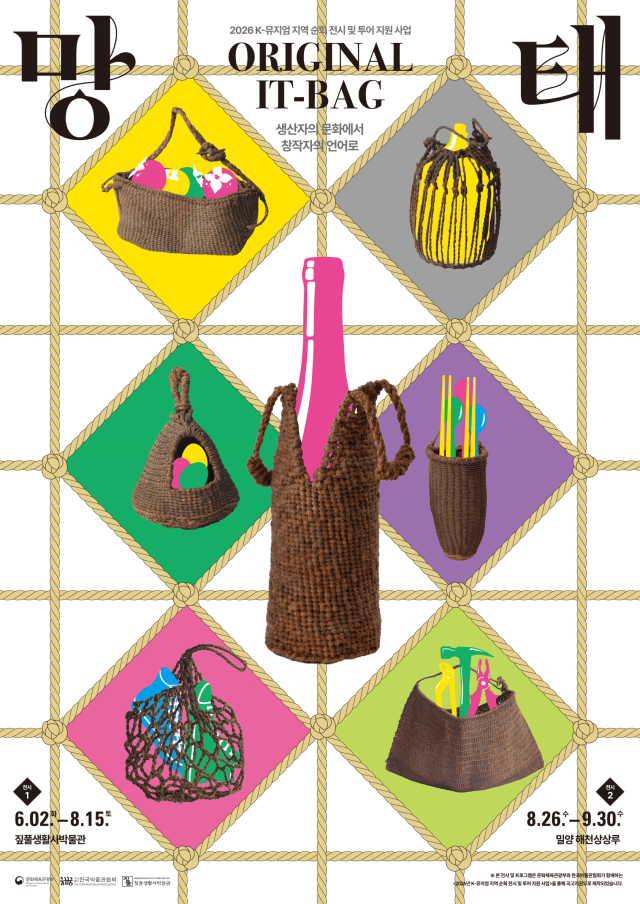
Traditional Korean 'Mangtae' bags, once common in rural life, are now on display in a special exhibition. The Jippul Living History Museum announced on June 18 that it will host the exhibition titled 'Original It-Bag: Mangtae' in Seoul and Miryang, showcasing various Mangtae and traditional weaving techniques recorded from rural, mountainous, and coastal areas across the country.
Mangtae, a traditional carrying tool made from straw and grass, was essential for transporting grains, firewood, agricultural products, and household items. It is known by various names depending on the region, including Mangtaegi, Gurukmang, Melmangtae, and Jungtae. This cultural heritage reflects the accumulated knowledge of working with natural materials, labor experiences, and local environments.
The exhibition will introduce 15 types of Mangtae weaving structures based on materials collected and documented by the museum since the 1990s. Even within the same type of Mangtae, different structures and forms have evolved based on their intended use and regional environments. This exhibition aims to highlight the diversity and creativity of traditional Korean living technologies through these weaving structures.
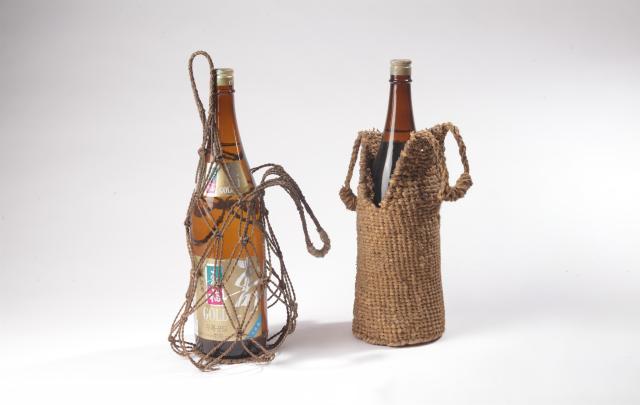
The Seoul exhibition will feature a variety of Mangtae artifacts, including Kkolmangtae, Seed Mangtae, Natt Mangtae, Egg Mangtae, Dosirak Mangtae, and Spoon Mangtae, along with photographs, video records, production tools, and materials such as rice straw, barley straw, bulrush, and reeds. Participatory programs, including a 'Large Mangtae Joint Production Project,' will also be held. In Miryang, a 'Jippul Craft Technology-Based Creation Workshop' will involve local artisan Park Ho-jin and national artists.
Lee Jeong-a, a curator, stated, "Mangtae is not just a simple tool; it is a cultural record that embodies the lives, labor, and skills of producers. We hope this exhibition will provide an opportunity to reassess the value of traditional living technologies and experience the process through which the culture of producers continues to resonate in today's creative expressions."
The Jippul Living History Museum specializes in collecting, researching, and exhibiting various daily tools made from straw and grass, as well as traditional living culture.
* This article has been translated by AI.
Copyright ⓒ Aju Press All rights reserved.