
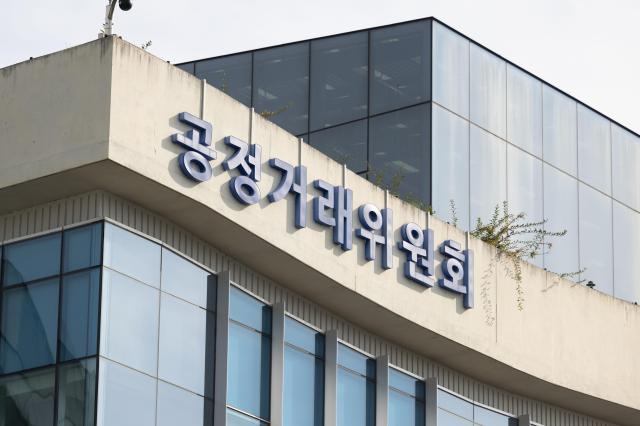
On June 21, the FTC announced that it had issued a corrective order against Doosan Bobcat Korea for abusing its dominant market position by setting unfavorable trading conditions for its dealers.
According to the FTC, from 2015 to 2022, Doosan Bobcat Korea required dealers to provide physical collateral to secure their debts, despite already receiving collateral. The company insisted that the collateral was insufficient and demanded that third parties, such as dealer employees or their family members, act as guarantors.
Dealers were required to provide collateral worth between 300 million to 600 million won annually, but the investigation revealed that Doosan Bobcat Korea also sought additional guarantees from these third parties.
Concerns have been raised that if dealers are forced to absorb the risk of unpaid consumer debts, their operational burden could significantly increase, especially since the sales commission constitutes only a portion of the product price.
The FTC determined that despite the sales contract being between consumers and Doosan Bobcat Korea, the company was unfairly transferring the risk of uncollected debts to the dealers by demanding excessive collateral and guarantees.
Additionally, it was found that Doosan Bobcat Korea had set contract terms that required dealers to cover unpaid consumer debts and allowed these debts to be offset against the dealers' sales commissions.
The FTC emphasized that the risk of unpaid debts should primarily be borne by the seller, Doosan Bobcat Korea, and that imposing collateral responsibilities and allowing offsets against commissions constituted unfair trading conditions for the dealers.
However, the investigation did not uncover any instances where collateral was enforced or commissions were offset. Following the FTC's investigation, Doosan Bobcat Korea removed clauses related to guarantees, collateral responsibilities, and commission offsets from its contracts.
The FTC views this behavior as an example of shifting consumer debt risks onto dealers by exploiting a superior market position and has issued a prohibition order and notification order against the company.
An FTC official stated, "We plan to continuously monitor and strictly enforce the law to prevent suppliers from using their superior market position to disadvantage dealers."
* This article has been translated by AI.
Copyright ⓒ Aju Press All rights reserved.