
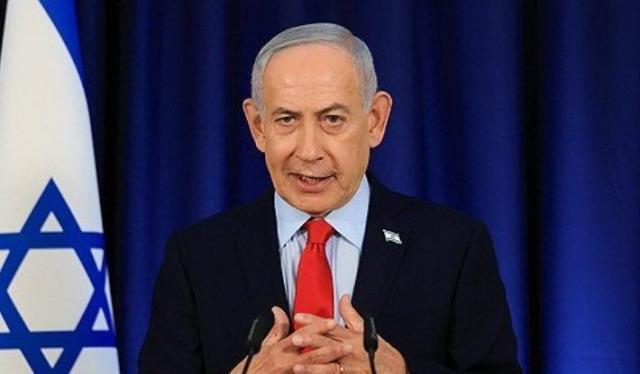
Israeli Channel 12 reported on June 22, citing an Israeli official, that Prime Minister Benjamin Netanyahu fell into a "state of panic" after being briefed on the outcomes of the Swiss talks. This reaction followed the announcement of a new "conflict prevention system" aimed at preventing military clashes in Lebanon.
The agreement emerged during discussions on implementing a memorandum of understanding (MOU) between the U.S. and Iran. Mediators Qatar and Pakistan stated that the U.S. and Iran agreed to establish a "conflict prevention body" in collaboration with Lebanon and the mediating countries to ensure the cessation of military operations in Lebanon. U.S. Vice President J.D. Vance also explained that a new mechanism was created to address issues related to navigation in the Strait of Hormuz and clashes in southern Lebanon.
Channel 12 noted that this new system could replace the existing framework established during the Biden administration in 2024. The previous structure included Israel, Lebanon, the U.S., France, and the United Nations, while discussions for the new system involve the U.S., Iran, Lebanon, Qatar, and Pakistan. While the previous framework focused on coordinating the collection and removal of Hezbollah's weapons, the new system is reported to emphasize preventing direct clashes between the Israeli military and Hezbollah.
However, it remains unclear whether Israel will be excluded from the new system. A senior U.S. official denied speculation about Israel's exclusion, stating that direct communication channels between the U.S. and Iran could actually benefit Israel's security. It is not clear whether this statement implies Israel's official participation or suggests indirect coordination through the U.S.
Netanyahu has consistently emphasized Israel's right to respond to threats from Hezbollah and the necessity of maintaining troops in southern Lebanon. This suggests he is wary of the new framework potentially restricting the operational autonomy of the Israeli military or shifting the Hezbollah issue to negotiations with Iran.
Channel 12 reported that Netanyahu has urgently deployed his close aide, former Strategic Affairs Minister Ron Dermer, to manage this issue directly. U.S. officials are said to have communicated multiple times with Dermer during the Swiss negotiations to share key developments, including the situation in Lebanon. The report also indicated that former President Donald Trump's warning on social media the previous day about potential military action if Iran fails to restrain Hezbollah is related to Dermer's involvement.
* This article has been translated by AI.
Copyright ⓒ Aju Press All rights reserved.