
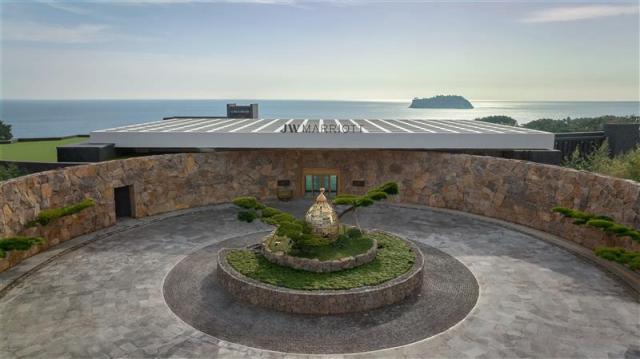
Numbers often reveal overwhelming value. Despite its premium room rate of 1 million won per night, it is nearly impossible to find available rooms at JW Marriott Jeju on weekdays or weekends, highlighting the allure for affluent travelers. True luxury transcends visible opulence; it hinges on how well a stay can awaken one's inner senses. The demand for high-end wellness experiences, characterized by the soothing sounds of Jeju's nature rather than sparkling chandeliers, is establishing a new standard in the luxury hospitality market, where the act of staying itself offers profound healing and inspiration.
Recent performance indicators for JW Marriott Jeju Resort & Spa, which opened in 2023, clearly illustrate this shift in luxury market demand. The hotel was recently awarded the top spa in South Korea by Travel + Leisure and recorded its highest revenue to date, indicating a distinct preference among consumers for deep wellness experiences over mere facility glamour.
In April, the hotel's occupancy rate reached 93.0%, achieving the highest monthly revenue since its opening. The average daily rate (ADR) exceeded 1 million won, and the revenue per available room (RevPAR) also hit record highs.
The performance of ancillary facilities also showed significant growth. During the same period, food and beverage sales increased by 78.1% year-over-year, while spa revenue rose by 82.0%. This suggests that guests are willing to spend on the resort's own offerings beyond just their rooms.
The diversification of the customer base is also notable. Room sales through Marriott's official channels increased by 106% compared to the previous year, with significant growth in visitors from China (74.4%) and the United States (52.5%). Analysts attribute the overall performance to the influx of high-spending international travelers.
Industry experts distinguish these figures from mere increases in staycation demand. There is a growing segment of high-end consumers who prioritize the quality of their stay experience over the physical size of rooms or the opulence of facilities, with wellness at the forefront.
The recent recognition of JW Marriott Jeju as the top hotel spa in South Korea at the Travel + Leisure Asia T+L Luxury Awards 2026 further supports this trend. The evaluation, based on votes from actual travelers, highlighted the hotel's programs reflecting Jeju's nature and culture, as well as the personalized services provided by professional therapists.
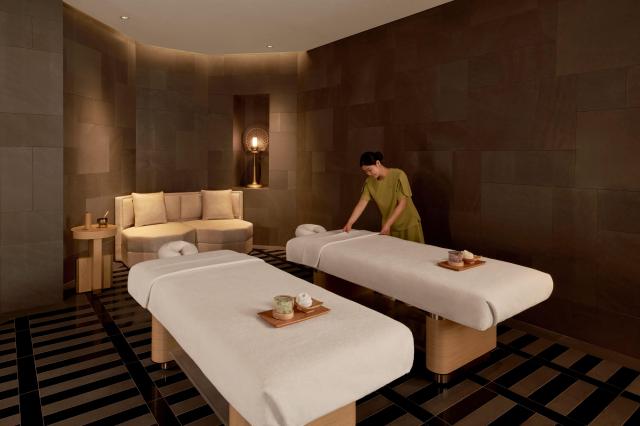
Located on the second floor of the hotel, Spa by JW features five treatment rooms (Saebyeol, Sara, Hanon, Tarabi, etc.). The spa incorporates local elements such as canola flowers and basalt into its design and offers unique wellness experiences, including singing bowl ceremonies and sound therapy, alongside Jeju tea.
The spa's remarkable achievements are closely tied to the overall enhancement of the hotel's infrastructure and culinary offerings. JW Marriott Jeju received the highest score among JW Marriott brands in the APEC region in the 2025 hotel service quality assessment by LQA. Its culinary experiences, which capture the unique values of Jeju, have also met stringent global evaluation standards, being awarded one Michelin star in 2025 and recognized in the La Liste World's Top 1000 Restaurants for two consecutive years (2025-2026).
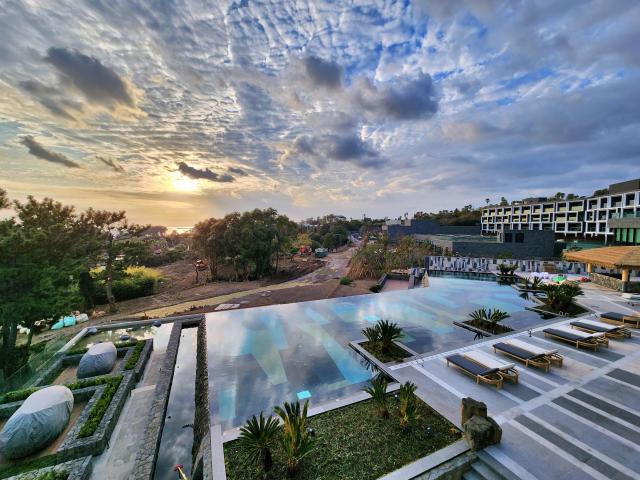
The global hotel industry is increasingly focusing on creating experiences that encompass meditation, sound, sleep, and local cultural immersion, moving beyond traditional competition centered on rooms and restaurants.
JW Marriott Jeju is also expanding its wellness programs based on its brand philosophy of 'Re-Connect.'
One of its flagship programs, 'JW Soundscape - Listening Session,' features curated natural sounds by local artist Lucid Fall, enjoyed through a Bang & Olufsen audio system. Other offerings include 'Haenyeo's Breath,' where actual haenyeo (female divers) share the significance of their culture and sounds, and 'Jeju Sensory Walk,' which allows guests to connect with nature along the Jeju Olle Trail Course 7.
The industry anticipates that the demand for wellness-centered luxury travel will continue to expand. As experiences combining Jeju's nature, local culture, and wellness content drive the growth of ultra-luxury rooms and facilities, competition in the luxury hospitality market is expected to intensify.
* This article has been translated by AI.
Copyright ⓒ Aju Press All rights reserved.