
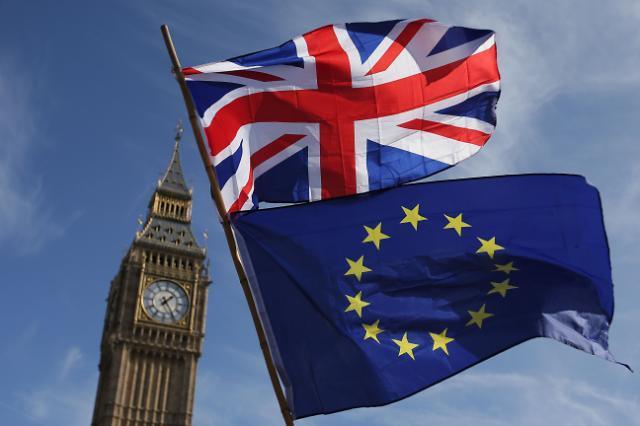
As the Brexit referendum marks its 10th anniversary, debates surrounding the UK's decision to leave the European Union are intensifying. In 2016, 51.9% voted for Brexit, but recent polls indicate that a majority now believe it was a mistake, with calls for rejoining the EU gaining traction, particularly among younger voters.
On June 23, The Guardian and polling firm YouGov reported that in a survey conducted on June 9, 57% of respondents stated that leaving the EU was a wrong decision, while only 30% felt it was the right choice.
Negative sentiment towards Brexit was particularly pronounced among younger individuals. According to a survey by The Guardian and the think tank More in Common, 50.2% of British respondents aged 18 to 28 rated Brexit as a 'failure,' with only 16.1% considering it a success. Additionally, 61.9% believed a second referendum on EU membership is necessary, and 59.8% expressed a desire to rejoin the EU.
John Curtis, a polling expert from the University of Strathclyde, attributed this shift in public opinion to generational change, noting that younger voters who were too young to participate in the 2016 referendum are now influencing the debate.
The UK decided to leave the EU in a referendum held on June 23, 2016, with 51.9% voting for departure and 48.1% for remaining. Since then, frequent changes in leadership and a shifting political landscape have kept Brexit at the forefront of UK politics for a decade.
Political reactions remain divided. Sadiq Khan, the Mayor of London who campaigned for remaining in the EU, criticized Brexit as 'economic self-harm' and advocated for rejoining the EU. Conversely, Nigel Farage, leader of the Reform UK party and a prominent figure in the Leave campaign, argued that while the decision to leave was correct, politicians have failed to implement it effectively.
The Brexit debate is also shaping the future government's relationship with the EU. The Starmer administration has sought to redefine this relationship by emphasizing economic and security cooperation while distancing itself from rejoining the EU or returning to the customs union and single market. However, with Starmer announcing his intention to resign, the schedule for UK-EU summit talks is now under review.
Andy Burnham, a leading candidate to succeed Starmer, has taken a cautious stance. Although he supported remaining in the EU during the referendum, he recently stated that now is not the time to discuss rejoining. Within the UK government, there is a stronger inclination towards enhancing practical cooperation in security and economic areas rather than pursuing rejoining the EU.
While views on Brexit are evolving, the prospect of rejoining remains a politically sensitive issue. The extent to which the next government will restore relations with the EU is likely to become a central topic in future UK politics.
* This article has been translated by AI.
Copyright ⓒ Aju Press All rights reserved.