
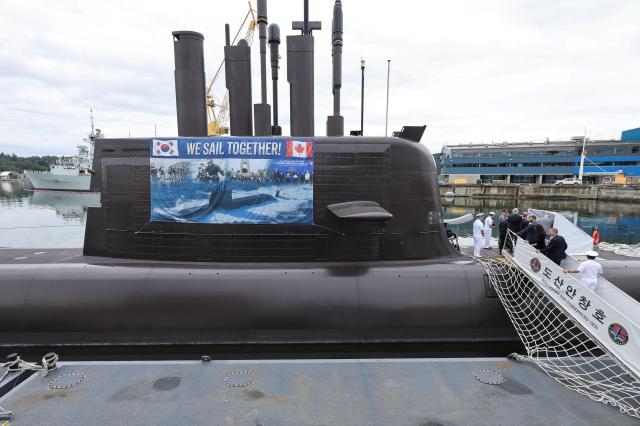
The competition for Canada’s next-generation submarine contract is nearing its conclusion, with economic benefits such as investment and job creation emerging as crucial factors in the final evaluation.
On June 23, Canadian Press reported that Steven Pure, Canada’s Minister of Defence Procurement, stated both candidates’ submarine proposals meet the navy's requirements. He emphasized that the government is focusing on the economic benefits each proposal would bring.
In a phone call with reporters the previous day, Pure said, "We will select a preferred candidate among the two qualified bidders," adding that the Canadian government will enter contract negotiations with the chosen company to turn the various memorandums of understanding (MOUs) and commitments into tangible outcomes for Canada. He noted that while there may be a few days of delay, a decision is expected by the end of the month.
Canadian Press speculated that this announcement could come just before the NATO summit scheduled for July 7 in Ankara, Turkey.
The Canadian Patrol Submarine Project (CPSP) aims to acquire up to 12 diesel submarines as part of a major defense procurement initiative. Including the costs for construction, maintenance, and operations over the next 30 years, the total project cost is estimated to reach up to 60 trillion won.
Currently, a South Korean consortium led by Hanwha Ocean and HD Hyundai Heavy Industries is competing against Germany's TKMS for the contract.
Hanwha has promised an economic opportunity worth approximately $70 billion (about 107 trillion won) by 2044, along with the creation of around 500,000 jobs and a contribution of $100 billion to the gross domestic product (GDP). They are actively pursuing a localization strategy and have signed MOUs with 67 local companies and government agencies, including PCL Construction, BlackBerry, and Ontario shipyards.
In contrast, TKMS has pledged economic activities worth $160 billion over the project duration, contributing $86 billion to GDP and creating over 650,000 jobs. They emphasize quality over quantity in partnerships, focusing on collaboration with key firms rather than the number of partnerships.
In evaluating the project, the Canadian government has assigned weights of 50% for logistics support and maintenance capabilities, 20% for submarine performance, 15% for cost, and 15% for economic benefits and strategic value.
* This article has been translated by AI.
Copyright ⓒ Aju Press All rights reserved.