
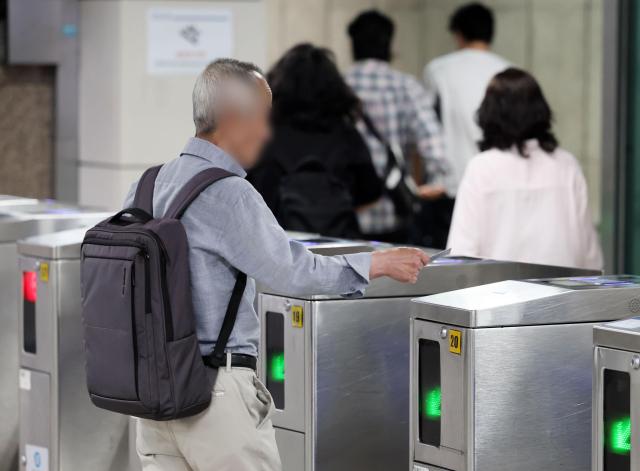
SEOUL, June 24 (AJP) - South Korea's capital is moving to overhaul one of its longest-standing welfare benefits for older citizens, proposing to raise the eligibility age for free subway rides from 65 to 70 as the country grapples with the realities of a superaged society.
If approved, the ordinance would authorize the Seoul city government to offer free or discounted bus rides to residents aged 70 and older who live in the city. The city would decide later how many free rides would be provided and who would qualify for the benefit.
The ordinance up for a vote on Wednesday does not itself change the eligibility age for free subway rides. Instead, it would provide the legal basis for Seoul's broader transportation reform, with details to be finalized through future legislation and administrative measures.
The measure is part of Seoul Mayor Oh Se-hoon's broader effort to reform transportation benefits for South Korea's aging population and was one of his key campaign pledges during this month's local elections.
After winning reelection, Oh met with the head of the Seoul Federation of the Korean Senior Citizens Association on June 19 to discuss senior transportation policies. The association welcomed the proposal, saying the change would better reflect fiscal sustainability and South Korea's changing demographics.
The proposal reflects growing concerns that South Korea's decades-old senior transportation system no longer matches the country's demographic reality. People aged 65 and older have long been entitled to unlimited free subway rides, a benefit that has remained largely unchanged for nearly 40 years despite rapid population aging and longer life expectancy.
City officials say the reform aims to make the system more sustainable while expanding transportation options for older residents. The city is considering limiting free bus rides to 14 trips a month.
According to estimates by the Seoul Metropolitan Council, a fully free bus program for all eligible seniors would cost more than 100 billion won ($73 million) annually and approximately 578.9 billion won over five years.
Officials said the actual burden would likely be lower if the city adopts a monthly cap on the number of free rides. Any savings generated by raising the eligibility age for free subway rides could also offset part of the cost of the new bus program.
The measure is widely expected to pass, as the conservative People Power Party holds a majority in the Seoul Metropolitan Council with 68 of its 106 seats, while also gaining support from senior citizens' groups.
The debate mirrors broader social changes in South Korea, where people are living longer and remaining economically active well beyond traditional retirement age.
According to the Ministry of Health and Welfare's 2023 survey on older adults, South Koreans now consider the average age at which a person becomes "elderly" to be 71.6 years. Meanwhile, the labor force participation rate among people aged 65 and older rose to 40.7 percent last year from 29.5 percent in 2000.
If the ordinance passes, Seoul plans to proceed with further public consultations and budget discussions before deciding when to implement the revised transportation benefits program.

Copyright ⓒ Aju Press All rights reserved.
