
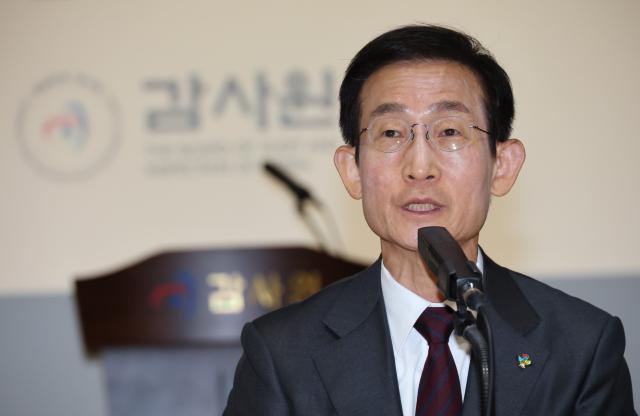
During a press conference at the Board's headquarters, Kim stated, "There is significant public concern and high anxiety regarding the infringement of voting rights in an election that is unacceptable. We have initiated material collection to define the scope and duration of the audit, and we expect to conduct an on-site audit around July."
He explained, "While we cannot conduct direct oversight of the Election Commission due to the Constitutional Court's decision, we have a constitutional and legal obligation to perform accounting audits on constitutional institutions. We will select audit items based on the facts we uncover during our material collection."
Regarding specific audit items, Kim noted, "There have been various issues identified through previous accounting audits, such as expenditures for purposes other than election costs, inadequate accounting for election expenses, and improper purchases and long-term storage of election equipment and supplies. We anticipate being able to provide meaningful results related to accounting execution and financial management that the public is curious about."
In his opening remarks at the press conference, Kim also pledged to strengthen accounting audits on constitutional institutions that are weakly monitored by external controls.
He further stated that the Board would focus on activities to address climate and environmental crises, local corruption, and financial leaks.
Kim emphasized, "We will shift the paradigm of auditing to enhance the benefits for the ultimate consumers, the citizens. If public officials inadvertently deviate from regulations but achieve public interest outcomes that benefit citizens, we will not hold them accountable."
Reflecting on the achievements of the past six months, Kim said, "We have done our best to reflect on past mistakes and institutionalize measures to prevent their recurrence. We have abolished policy audits and strengthened the pre-control system of the Audit Committee over the Secretariat."
He added, "We have dismantled the Special Investigation Bureau, which was at the center of controversy, and completely redesigned it into an Anti-Corruption Investigation Bureau specialized in its original mission of personnel oversight and corruption prevention."
Kim concluded, "The reform of the Board of Audit and Inspection will be initially completed through the activities of the National Assembly's investigation task force and the reflection of the Audit Act into legislation, and I will continue to refine it with a commitment to renewal throughout my term. The Board will be reborn as an entity that alleviates public inconvenience and difficulties while revitalizing the public service."
* This article has been translated by AI.
Copyright ⓒ Aju Press All rights reserved.