
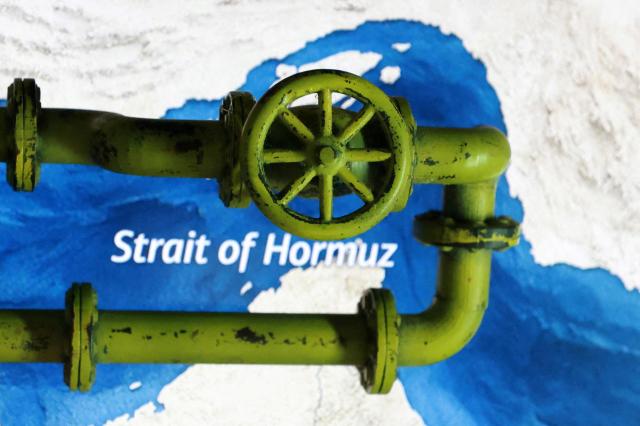
International oil prices are stabilizing rapidly. With easing military tensions between the United States and Iran and the normalization of shipping through the Strait of Hormuz, the global oil market has returned to pre-war levels. Brent crude and West Texas Intermediate (WTI) have dropped to around $70 per barrel, alleviating many concerns about supply disruptions.
While this is welcome news, consumers are not feeling the impact as quickly as expected. Despite a significant drop in international oil prices, gasoline and diesel prices at the pump have not decreased as much as anticipated. President Donald Trump has directed the Department of Justice to investigate this issue, noting, "Oil prices have fallen sharply, but gasoline prices have not dropped accordingly."
Why are fuel prices remaining steady despite falling international oil prices? It is important to understand that international oil prices and retail fuel prices do not move in lockstep. The process of importing, refining, and transporting crude oil involves various factors, including exchange rates, taxes, existing inventory, and distribution costs. Therefore, it is normal for retail prices not to drop immediately following a decrease in international oil prices, as there is typically a lag.
However, the key question is whether this lag is reasonable. Historically, domestic fuel prices tend to rise relatively quickly when international oil prices increase, yet the decline in prices is often slower. If consumers do not feel the effects of falling international oil prices, their trust in the market may erode.
The government's role should not be to set prices directly but to ensure that the market operates fairly. It is essential to monitor whether refiners and distributors are passing on the benefits of lower international oil prices to consumers within a reasonable timeframe and to check for any collusion or abuse of market power. Transparency in the price-setting structure and the process of reflecting oil prices is also necessary.
Conversely, the government should be cautious about controlling prices through administrative measures. Recently, the government has been considering lowering the price cap under the oil price cap system. While temporary market intervention may be necessary during emergencies, such as wars, continued price controls after international oil prices stabilize could distort market functions and undermine the credibility of policies.
The government has repeatedly stated that the oil price cap is a temporary measure. It has also indicated that the system will be terminated once conditions such as the end of the war, normalization of the Strait of Hormuz, and stabilization of international oil prices are met.
If policies remain unchanged despite changing circumstances, the market will struggle to trust the predictability of government policies. The refining industry must also heed consumer expectations. If the decline in international oil prices is reflected in production costs, those benefits should be passed on to consumers after a reasonable delay. The more transparent the price-setting process, the fewer misunderstandings will arise. Trust in businesses is a crucial competitive advantage in the market.
The drop in international oil prices is a positive sign that can reduce household burdens, lower production costs for businesses, and help stabilize prices. However, if these benefits do not reach the final consumers, the significance of market stability will inevitably diminish.
The government should monitor the market without replacing it. Businesses must respond to consumer trust with reasonable pricing. When international oil prices fall, the benefits should also return to the public, as this is the foundation and common sense of a market economy.
* This article has been translated by AI.
Copyright ⓒ Aju Press All rights reserved.