
The Ministry of Land, Infrastructure and Transport plans to revise 14 regulations closely related to the daily lives of citizens, including those affecting marriage, housing, and mobility.
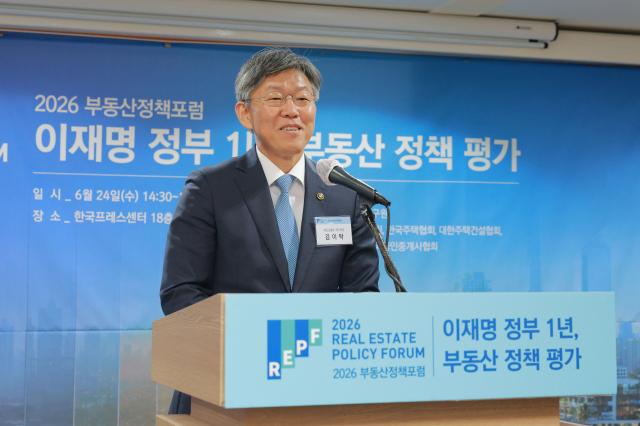
On June 25, the ministry announced that it would adopt measures to improve unreasonable regulations during the second meeting of the "2026 Regulatory Rationalization Task Force," chaired by First Vice Minister Kim I-tak.
The proposed changes include adjustments to housing applications for newlyweds, exemptions from residency requirements for long-serving military personnel, and expanded highway toll discounts for disabled individuals.
Specifically, the deadline for newlywed couples to submit their marriage certificates for the Hope Town housing application will be extended from one year after the announcement to before moving in. This change alleviates the burden of having to provide documentation before securing a home.
In 2024, the ministry had already reformed the housing application system to exclude the spouse's pre-marriage application and housing ownership history. This latest proposal continues the trend of reducing what has been termed the "marriage penalty."
Additionally, the scope of exemptions from residency requirements for military personnel who have served for over ten years will be expanded from special allocations to general allocations. This means that long-serving military members or their family members who relocate due to personnel changes can receive exemptions regardless of the type of housing supply.
Disabled individuals will also benefit from toll discounts on vehicles leased or rented for over a year. Previously, discounts were limited to vehicles owned by the disabled, but this change reflects the diverse realities of vehicle usage.
Regulations on car modifications will also be relaxed. The weight increase threshold for minor modifications will rise from 60 kg to 120 kg, reducing the approval process burden for lifestyle and recreational modifications, such as rooftop tents.
Certain non-enclosed structures and boiler rooms installed in older homes will be excluded from floor area calculations. In rural construction permit processes, the scope of approvals related to rural road maintenance will also be expanded.
The ministry will restructure the existing "National Land and Transport Regulatory Reform Committee" into the "National Land and Transport Regulatory Rationalization Committee," enhancing its regulatory improvement functions. The new committee will operate with four divisions—land and urban, housing and land, mobility and logistics, and construction and infrastructure—with the number of members in each division increasing from seven to nine.
Kim I-tak stated, "We will boldly improve unreasonable regulations that restrict citizens' lives and business activities. We will continue to pursue regulatory rationalization to swiftly address even the smallest inconveniences, contributing to the recovery of livelihoods and revitalization of the economy."
* This article has been translated by AI.
Copyright ⓒ Aju Press All rights reserved.