
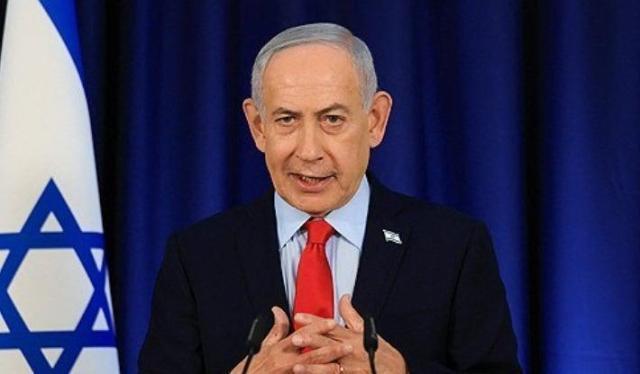
The recent U.S.-Iran agreement is shaking the political foundation of Israeli Prime Minister Benjamin Netanyahu. Analysts suggest that the deal has dealt a blow to Netanyahu's long-held image as the Israeli leader capable of influencing U.S. policy.
According to a report by Reuters on June 24, former U.S. officials, diplomats, and Middle East experts believe that Netanyahu could emerge as the biggest political loser from the U.S.-Iran agreement.
Rather than focusing on Israel's strategy toward Iran, the agreement has put Netanyahu's political brand—his claim to lead Washington's Iran policy—under significant scrutiny.
For years, Netanyahu has emphasized that he alone can align U.S. and Israeli strategies against Iran. He has built close ties with the Republican Party and has frequently visited Congress to advocate for a hardline stance against Iran. He publicly opposed the Iran nuclear deal during the Obama administration, showcasing his influence within U.S. political circles.
However, this agreement has disrupted that dynamic. President Trump is prioritizing ending the war with Iran, engaging in direct negotiations, and even incorporating the recent clashes between Israel and the Iran-aligned militant group Hezbollah in Lebanon into the agreement's framework. Reuters reported that "Israel has been sidelined in the key decision-making process."
Domestically, Netanyahu's options have also narrowed. Former U.S. official Dennis Ross noted, "Netanyahu is caught between President Trump, who wants to end the war, and his domestic supporters who oppose concessions in Lebanon and elsewhere." Lowering military pressure could provoke backlash from his hardline base, while maintaining it risks conflict with the U.S.
Netanyahu's promised outcomes in the conflict with Iran are also unclear. He initially pledged "total victory" but has failed to achieve the collapse of the Iranian regime, the defeat of Hezbollah, or the safe return of Israeli citizens from the north. Aviv Bushinsky, a former aide to Netanyahu, told Reuters, "The U.S.-Iran agreement is a decisive blow to Netanyahu; he has not only lost the war with Iran but also a friend in Trump."
The U.S. government has sought to downplay interpretations of a rift in relations with Israel. A White House official stated, "President Trump and Prime Minister Netanyahu maintain a strong relationship." A State Department official also emphasized that "the U.S. commitment to Israel's security is unwavering and unchanged."
Nonetheless, the differences in objectives between the two sides are becoming increasingly apparent. While Trump seeks to withdraw from another Middle Eastern conflict, Netanyahu views pressure on Iran and Hezbollah as central to Israel's security. In a recent interview, Trump suggested that if he asked Netanyahu to do something, he would comply, indicating that U.S. interests may take precedence over Israeli priorities.
Support for Netanyahu within the Republican Party is reportedly waning. He has relied on Republican backing to offset conflicts with Democratic administrations. However, U.S. experts believe that the party will not support Netanyahu at the expense of a confrontation with Trump.
The U.S.-Iran agreement also poses challenges for Netanyahu's diplomatic vision. He has staked his political future on weakening the Iranian regime and normalizing relations with Saudi Arabia to expand the Abraham Accords. However, the Iranian leadership remains in power post-war, and progress on normalizing relations between Saudi Arabia and Israel has stalled.
Reuters reported that, citing Gulf sources, the perception that Netanyahu's government may become more of a burden than an asset in regional order—coupled with issues like the Gaza war and West Bank annexation—has weakened the foundation of the Abraham Accords. Some countries are slowing the pace of normalization with Israel while resuming contacts with Iran.
Iranian officials are framing the agreement as a failure for Netanyahu. One Iranian official told Reuters, "This is not just a victory for Iran but a failure for Netanyahu; Iran has not only survived but has emerged as a more influential regional actor."
* This article has been translated by AI.
Copyright ⓒ Aju Press All rights reserved.