
Starting this second half of the year, the interbank foreign exchange market in South Korea will operate 24 hours a day without interruption. The lottery purchasing options will expand from traditional offline outlets and PCs to mobile platforms, and the contribution limits for the Yellow Umbrella Fund, a safety net for small business owners and self-employed individuals, will be increased.
The Ministry of Finance announced on June 30 the release of a booklet titled "Changes Starting in the Second Half of 2026," detailing 245 new or modified laws and regulations categorized by sector, agency, and implementation timeline.
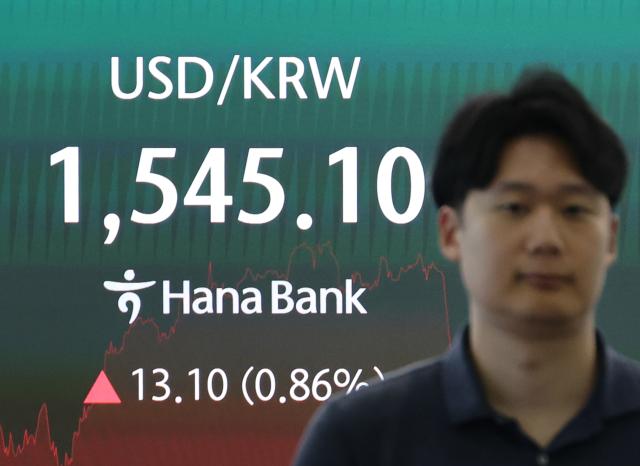
One of the most significant changes in the financial, fiscal, and tax sectors is the extended operating hours of the foreign exchange market. Beginning in July, the interbank foreign exchange market will operate 24 hours a day on weekdays, excluding New Year's Day and weekends.
Previously, foreign investors and import-export companies faced challenges conducting real-time foreign exchange transactions during South Korea's early morning hours. With the new schedule, they will be able to place currency exchange orders at any time, improving risk management for exporters and importers and enhancing market accessibility for foreign investors.
The government aims to enhance accessibility to domestic foreign exchange and capital markets through the 24-hour operation of the foreign exchange market, laying the groundwork for the modernization of the won market. Increased convenience for overseas investors is expected to improve investment conditions in the domestic capital market.
The method of purchasing lottery tickets will also change. Previously, tickets could only be bought at offline retailers and via PCs, but now they will also be available for purchase on mobile devices. The government plans to pilot mobile lottery sales to enhance purchasing convenience.
Proceeds from lottery sales will be used for public welfare projects, including support for vulnerable groups. The government intends to promote a healthy lottery usage environment alongside the expansion of purchasing channels.
Support measures for small businesses and self-employed individuals will be strengthened in the second half of the year. The contribution limit for the Yellow Umbrella Fund will increase from 3 million won per quarter to 18 million won per year. This fund allows small businesses and self-employed individuals to save for retirement or in preparation for business closure.
With the increased contribution limit, small business owners will have more options for tax savings and retirement planning. This initiative aims to strengthen the safety net for self-employed individuals amid rising inflation and sluggish domestic demand.
In tax administration, artificial intelligence (AI) services will be introduced. The National Tax Service will gradually roll out a tax expert AI chatbot, starting with comprehensive income tax and tax credits, and expanding to value-added tax services in July.
The AI chatbot will provide interactive responses to taxpayers' inquiries and guide them to the reporting interface when necessary. It will offer reliable consulting services based on verified cases and the latest tax laws.
* This article has been translated by AI.
Copyright ⓒ Aju Press All rights reserved.