
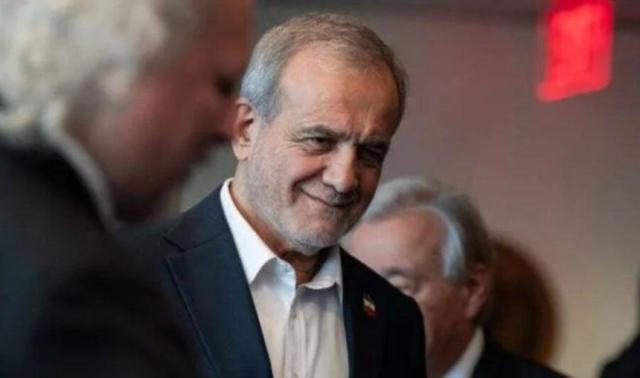
On June 29, Pezeshkian stated on X (formerly Twitter), "Agreements are a two-way street. If the U.S. adheres to the MOU, we will fulfill our obligations as well." He emphasized the need for rationality in decision-making while asserting a firm defense against irrational posturing and baseless threats.
These comments followed renewed clashes between the U.S. and Iran over the Strait of Hormuz. Iran claims that the MOU includes provisions regarding the sovereignty of coastal nations and future management discussions, while the U.S. insists that Iran must guarantee freedom of navigation under international law.
The differing interpretations escalated into military confrontations from June 25 to 28. After Iran raised concerns about shipping traffic in the strait, the U.S. conducted airstrikes on Iranian military facilities along the coast, prompting Iran to retaliate against U.S. military installations in the region. Although both sides halted attacks through Qatari mediation, the 60-day ceasefire established by the MOU signed on June 17 has faced challenges from the outset.
The U.S. is pushing to resume negotiations. The White House announced that Jared Kushner and Steve Witkoff would travel to Doha, Qatar, to continue discussions with Iranian representatives. However, Iran has not confirmed any direct meetings with the U.S. delegation and has stated it is still consulting with mediating countries like Qatar.
Under the MOU, the U.S. and Iran are expected to reach subsequent agreements within 60 days regarding Iran's denuclearization, sanctions relief, and normalization of shipping traffic in the Strait of Hormuz. However, the negotiations have encountered difficulties from the start due to disputes over the opening of the strait. Even if discussions resume in Doha, the management authority of the Strait of Hormuz and the methods for ensuring safe passage are expected to be the main points of contention.
* This article has been translated by AI.
Copyright ⓒ Aju Press All rights reserved.