
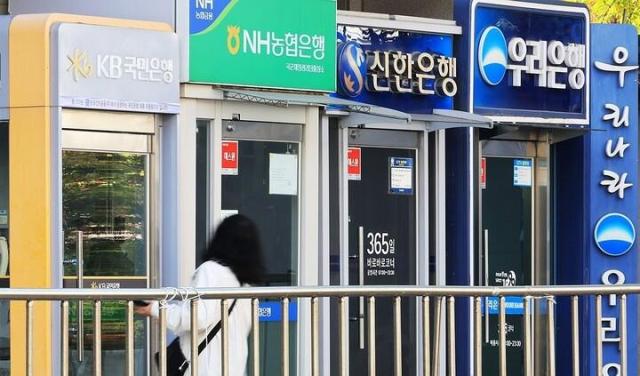
According to the financial sector on July 2, the overdraft account balances for large and small businesses at Bank A increased by 10% each compared to the end of last year. Other banks have reported similar upward trends.
A financial industry official stated, "As the business environment for local companies becomes more challenging, more firms are proactively securing funds for operating and facility expenses. They prefer overdraft accounts because they only pay interest on the amount used, which helps ease liquidity concerns." The recent changes in U.S. tariff policies and increased volatility in the won-dollar exchange rate have prompted companies to prepare for potential funding shortages.
The Korea International Trade Association reported that the Export Business Sentiment Index (EBSI) for the third quarter stands at 107.0, indicating a 'boom' for four consecutive quarters. However, among the 15 sectors surveyed, 11, including semiconductors, expect a downturn. Coupled with the possibility of interest rate hikes in the second half of the year, downward pressure on the economy is anticipated. This has led to an increased demand for overdraft accounts that companies can access in times of crisis.
The limits on corporate overdraft accounts vary based on capital and operational duration. Once a limit is set at the time of opening, companies can withdraw funds freely without additional assessments, making these accounts a significant factor in the growth of corporate loans in the banking sector.
As of the end of last month, the five major banks—Kookmin, Shinhan, Hana, Woori, and NH Nonghyup—reported an increase of 4.9285 trillion won in corporate loans compared to the previous month, marking six consecutive months of growth. Banks are also introducing various products to meet corporate demand. However, indiscriminate loan expansion could lead to risks of defaults, prompting banks to focus investments on advanced strategic industries while managing delinquency rates.
Kookmin Bank has projected a corporate loan growth rate of 6-7% for this year, higher than last year's growth rate of 3.9%. Previously, corporate loans above a certain size were handled primarily through specific channels, but now the bank is broadening access across all branches. Hana Bank is expanding its productive finance scope to include construction, shipbuilding, and renewable energy sectors, while Woori Bank is shortening corporate credit assessment cycles through AI applications. The Industrial Bank of Korea, which has 80% of its corporate loans allocated to small and medium-sized enterprises, plans to support up to 5 billion won in operating and facility funds for companies in advanced and innovative industries.
* This article has been translated by AI.
Copyright ⓒ Aju Press All rights reserved.