
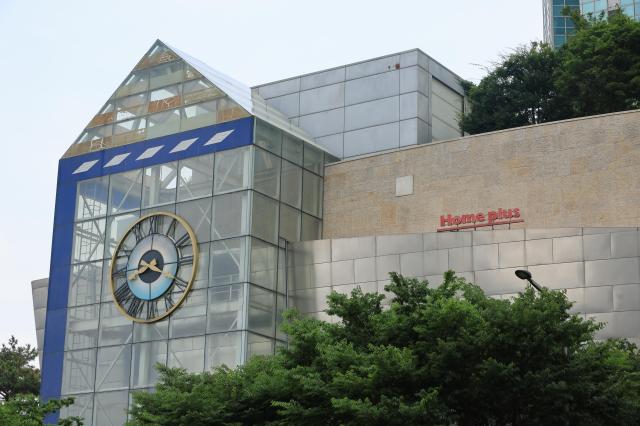
With emergency operating funds all but out of reach and any chance of recovery fading, the focus has shifted to an orderly wind-down that limits harm to suppliers, employees and in-store tenants of South Korea's second-largest hypermarket chain.
The retailer is weighing a phased halt to operations at some stores as early as this week, sources say, as dwindling facilities staff raise safety concerns and operating cash runs dry, leaving normal trading increasingly untenable.
Weekend half-price sales on liquor and other stock drew shoppers long enough to form checkout queues, but the surge did little to change a company on the cusp of collapse.
The appeal window runs through July 20, but the industry expects Homeplus to petition the court by July 16 at the latest, pursuing a rehabilitation-linked "affiliated bankruptcy" rather than an ordinary filing to blunt wider disruption.
Affiliated bankruptcy preserves the priority of public-interest claims accrued during rehabilitation, whereas a separate ordinary filing after the termination becomes final could unsettle their legal standing and repayment.
Homeplus' public-interest claims are estimated at about 1 trillion won ($677 million), much of it unpaid supplier bills and back wages.
Beyond real estate pledged to Meritz-led creditors, Homeplus is understood to hold almost no cash assets, setting up a fierce contest among suppliers, tenants and junior creditors over a shrinking pool.
Homeplus filed for rehabilitation in March last year and sought liquidity through the sale of its Express arm, but failed to offload the main business or raise fresh capital, leaving creditor recovery likely to drag on for a considerable time.

Copyright ⓒ Aju Press All rights reserved.
