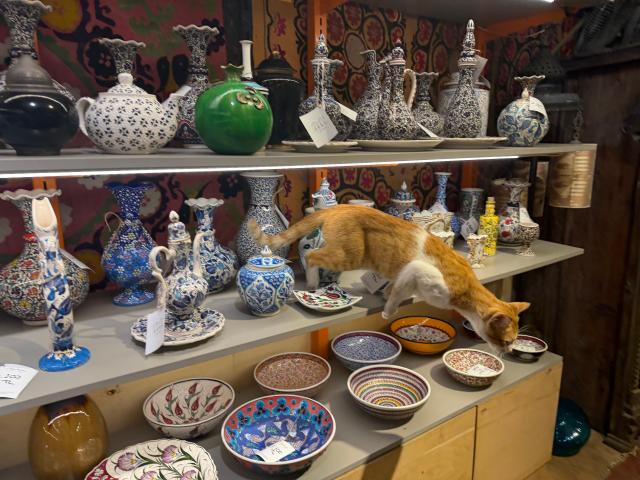
SEOUL, July 20 (AJP) - They sleep on the warm hoods of parked taxis and in the display windows of carpet shops. They wait outside fish restaurants with the patience of regulars. They stroll into mosques, curl up on prayer rugs, and no one moves them. In Istanbul, a city of some 16 million people, the cats behave less like strays and more like citizens who happen to have four legs, and the city, for the most part, treats them accordingly.
Nobody knows exactly how many there are. Estimates run from more than a hundred thousand to well beyond, and any count would be out of date by morning. What is certain is that they are everywhere, and that they have been for a very long time.
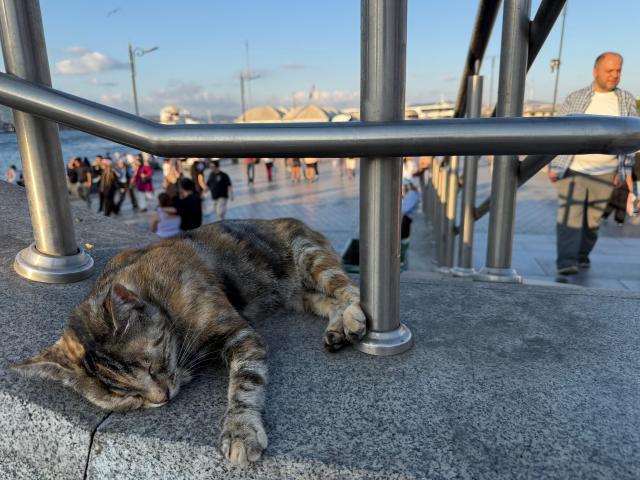
The story begins, as so many Istanbul stories do, at the water. For more than two thousand years, first as Byzantium, then Constantinople, then Istanbul, the city sat at the meeting point of the Mediterranean, the Black Sea, Europe, and Asia, one of the busiest crossroads of trade in the world. Ships arrived loaded with grain, and grain drew rats, and rats made a ship's cat as essential a crew member as a navigator. When the ships docked, some of the cats went ashore to explore the quays and never reported back for duty. The city, full of granaries, markets, and wooden houses that sheltered rodents by the thousand, gave them every reason to stay. They were not pets. They were workers, and Istanbul had endless work.
Faith gave the arrangement its warmth. In Islamic tradition, cats are regarded as clean animals, permitted to wander freely where dogs are often kept at a distance, and stories of kindness toward them run deep. One of the most prolific narrators of the Prophet Muhammad's sayings is known to history as Abu Hurairah, literally "father of the kitten," a nickname earned from the small cat he carried with him. A beloved tale holds that the Prophet once cut off his sleeve rather than wake the cat sleeping on it. The story's origins are hazy, and scholars debate its authenticity, but its power was never really about the paperwork. It taught generations of Muslims that disturbing a sleeping cat was something even a prophet would not do.
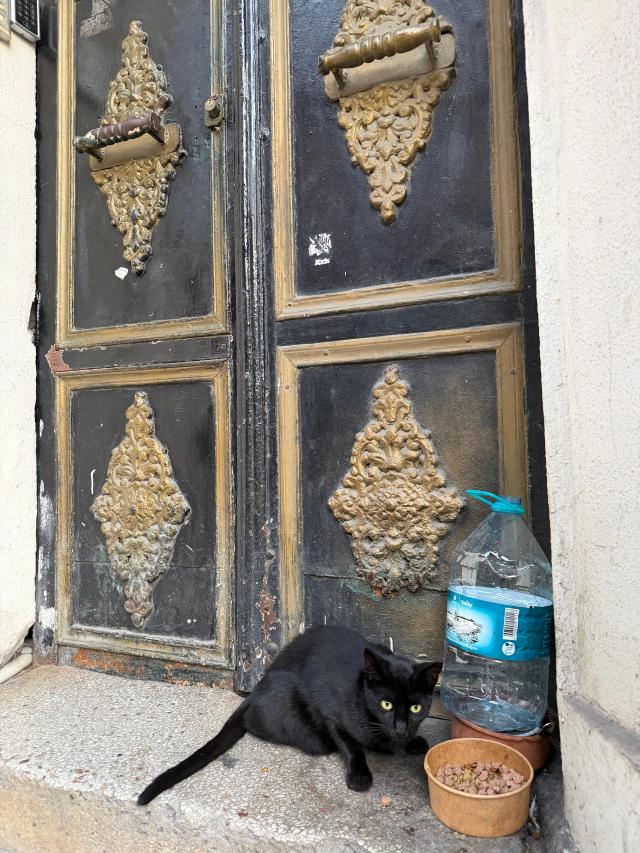
Ottoman Istanbul turned that sentiment into institutions. Residents endowed charitable foundations to feed street animals. Vendors known as mancaci walked the streets selling scraps of offal and liver so that passersby could buy a portion and feed the neighborhood cats in the name of God, an early form of subscription-based animal welfare. Sultan Abdulhamid II, who ruled from 1876 to 1909, kept well over a thousand cats at Yildiz Palace. European travelers wrote home, sometimes charmed and sometimes baffled, about a city that fed its animals as a matter of routine piety.
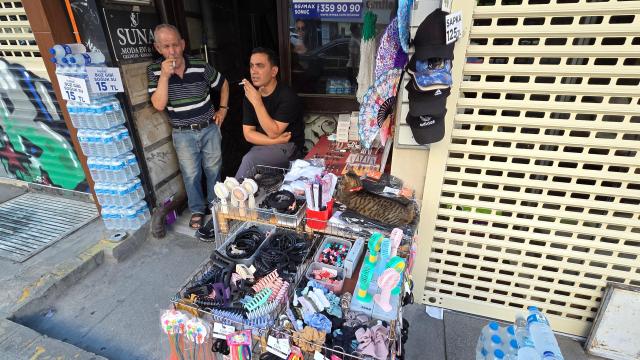
That habit never died. It modernized.
Today, the care of Istanbul's street cats is a shared enterprise between the government and roughly everyone else. District municipalities run veterinary clinics and mobile units that sterilize, vaccinate, tag, and release street animals, a policy anchored in Türkiye's 2004 animal protection law, which required that strays be returned to where they were found after treatment. Feeding stations and small wooden cat houses, some municipal, some built by residents on their own initiative, appear on sidewalks and in parks, often freshly stocked. Solar-powered vending machines developed by a Turkish company dispense kibble and water when someone deposits a plastic bottle for recycling, a contraption that pays for the food with the value of the recovered plastic. The animals learned where the machines stood and began waiting beside them.
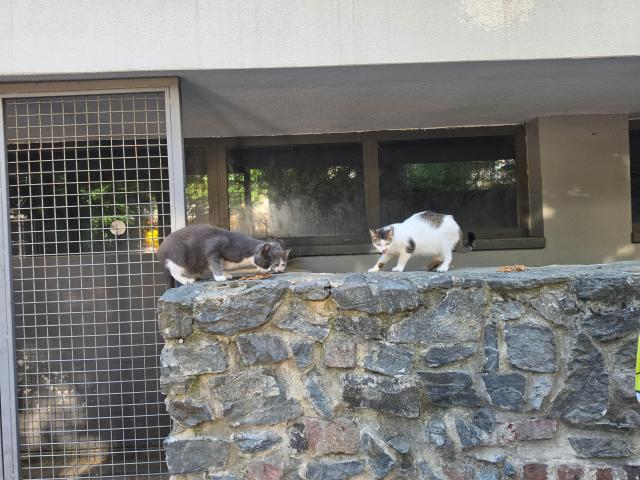
But the infrastructure is only half the system. The other half is habit, distributed across millions of people. The fishmonger who sets aside trimmings. The office worker who keeps a bag of dry food in a desk drawer. The shopkeeper who lets a tabby claim the cash counter as her personal territory because the customers like her and, frankly, so does he. Water bowls appear outside apartment buildings each summer without anyone organizing them. Feeding the cats is not charity in Istanbul so much as etiquette.
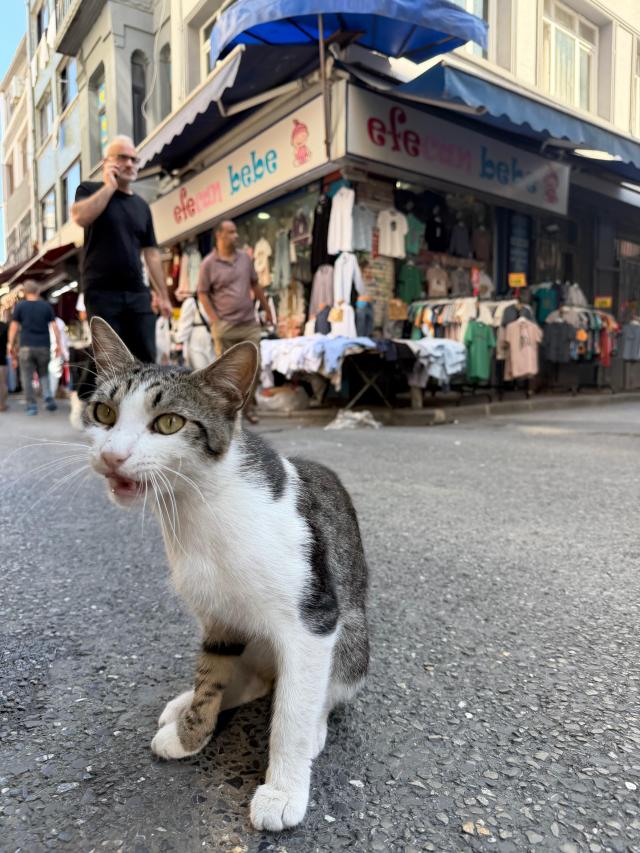
The result is a species that lives in the seam between wild and owned. Istanbul's cats belong to no one and to everyone. They have names, usually several, one per street they patrol. They have favorite ferries and preferred pews. For years, a cross-eyed cat named Gli lived inside Hagia Sophia itself, dozing beside the imperial door through the building's years as a museum and into its reconversion to a mosque, photographed by presidents and tourists alike until she died in 2020. When a portly street cat named Tombili died in 2016, her neighborhood in Kadikoy erected a bronze statue of her in her signature pose, reclining against a step like a retiree watching traffic. Tens of thousands had signed the petition.
It is tempting to leave the story there, sun-warmed and purring. But the compact between Türkiye and its street animals has been under real strain, and the cats came closer to the edge of it than most visitors realize.
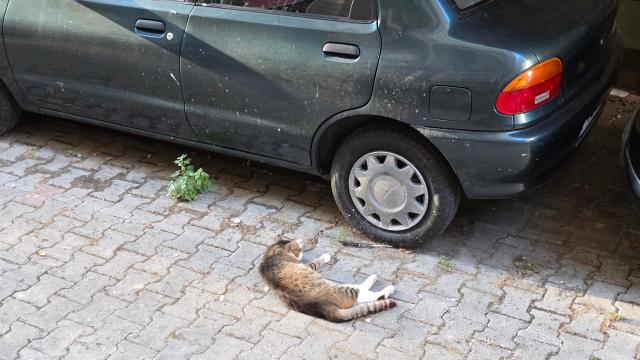
In July 2024, Türkiye's parliament passed a law requiring municipalities to remove stray dogs from the streets and hold them in shelters, with euthanasia permitted for animals that are terminally ill, in pain, or judged a danger to people. The government, citing an estimated four million stray dogs nationwide and a series of attacks, some involving children, framed the measure as overdue public safety. Opponents called it the "massacre law." Animal welfare groups pointed out that the country's shelters had capacity for only a fraction of the dogs the law ordered off the streets, and warned that cash-strapped municipalities might find euthanasia cheaper than care. Tens of thousands protested in Istanbul and other cities. In late 2025, the Constitutional Court rejected the main opposition party's bid to annul the law, ruling that animals are not subjects of rights under the constitution. Several judges dissented, arguing the law contradicted values of compassion toward animals rooted in the same Islamic legal tradition that had sheltered Istanbul's strays for centuries.
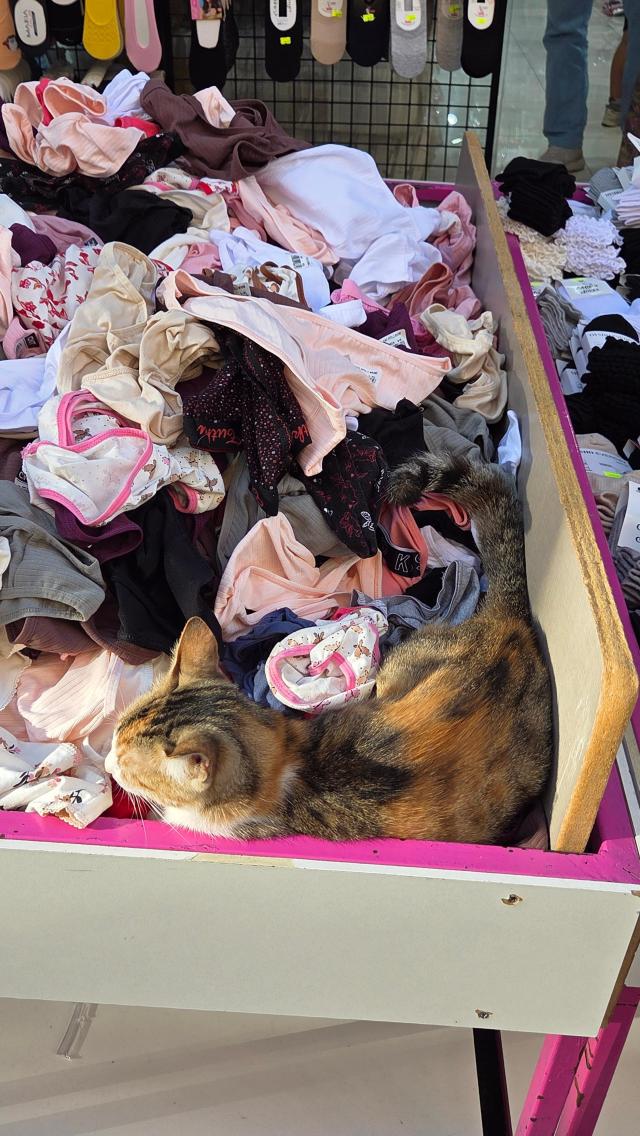
The cats were spared, but narrowly. An early draft of the bill included them. The article was removed after public outcry, before the law reached its final vote.
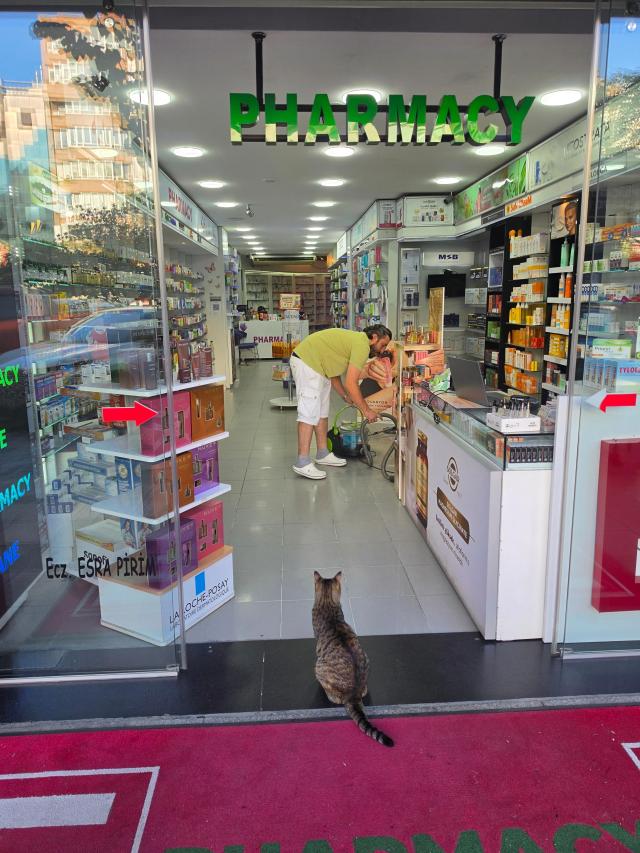
So the cats of Istanbul remain where they have always been, on the steps and the windowsills and the warm stones of the mosque courtyards, protected by fifteen centuries of habit and, for now, by a single deleted clause. A 55-year-old juice stall owner near Hagia Sophia, who declined to give his name, said the animals were woven into the life of the city itself. "We consider cats as our family and neighbors. Their elegance and companionship bring us joy and happiness. Istanbul will never be the same without them," he said.

Copyright ⓒ Aju Press All rights reserved.