
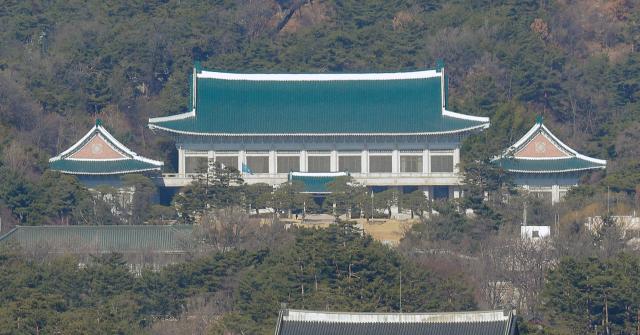
SEOUL, July 22 (AJP) - No request has come from Washington for South Korea to send any specific military asset to the Strait of Hormuz, South Korea's presidential Blue House said Wednesday, pushing back against reports that a formal demand for a naval deployment was close.
The denial is narrow, and the wording matters. The presidential office said the government has not been asked recently to dispatch a particular asset in connection with the safety of international sea lanes and freedom of navigation. It did not say that talks about a South Korean contribution have stopped.
"We have continued to discuss related cooperation measures with the United States side," the office said, adding that Seoul is weighing practical ways to contribute to freedom of passage through the strait while taking into account readiness on the Korean Peninsula, domestic legal procedures and other factors.
It declined to go further. Specific details of military and security communications between South Korea and the United States cannot be disclosed publicly, the office said.
The strait carries about 20 percent of the world's oil and liquefied natural gas, and its effective closure since fighting between the United States and Iran began in March has driven up energy prices worldwide. South Korea, which imports almost all of its crude and buys much of it from Gulf producers, has more exposure to the waterway than most of the countries being asked to help police it.
The pressure has been building since March 14, when President Donald Trump named South Korea, China, Japan, France and Britain in a post on Truth Social and demanded they send warships to secure the passage. Trump has since accused allies who declined of ingratitude.
The domestic legal procedures the presidential office referred to are the central obstacle. Defense Minister Ahn Gyu-back told a parliamentary hearing in March that sending a warship or troops to the Strait of Hormuz would require approval from the National Assembly, a step that would turn a military decision into a political one.
Any deployment would most likely involve the Cheonghae Unit, the antipiracy task force South Korea has maintained near the Gulf of Aden since 2009. The unit rotates a destroyer to the region roughly every six months with about 260 personnel and an attack helicopter aboard. There is precedent for expanding its remit. In January 2020, the government widened the unit's area of operations to include the Strait of Hormuz while stopping short of joining the US-led maritime coalition then operating there.
Foreign Minister Cho Hyun has repeatedly declined to say in public whether Washington has made a request. Pressed at a parliamentary committee in March, he said only that responding to an ally's demand was an important question and that the government would act in accordance with the constitution and the law.
Japan and Australia have both said they do not plan to send ships to escort vessels through the strait.

Copyright ⓒ Aju Press All rights reserved.
