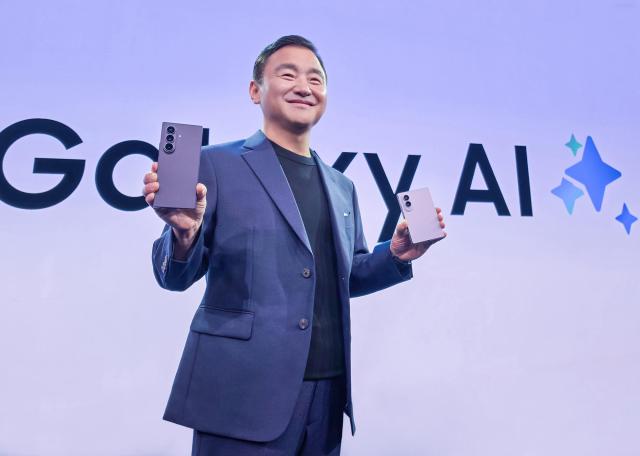
SEOUL, July 22 (AJP) - Samsung Electronics on Wednesday unveiled three new foldable smartphones and detailed its first AI-powered smart glasses, expanding the Galaxy ecosystem as it seeks to make artificial intelligence a more proactive part of consumers’ daily lives.
At its Galaxy Unpacked event in London, the South Korean technology giant introduced the Galaxy Z Fold8 Ultra, Galaxy Z Fold8 and Galaxy Z Flip8, marking the first time it has offered three distinct models in its flagship foldable lineup.
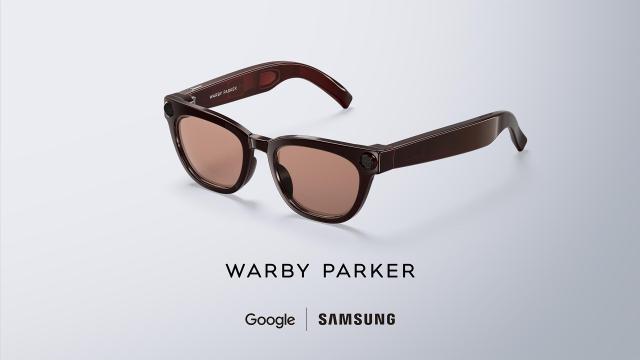
Samsung also showcased its Intelligent Eyewear, developed with Google and eyewear brands Gentle Monster and Warby Parker, as well as the Galaxy Watch Ultra2 and Watch9.
The announcements underline Samsung’s effort to extend Galaxy AI beyond smartphones into devices that can interpret users’ surroundings, health data and daily routines.
“As AI evolves, mobile devices will become the closest point of contact with users, understanding them better and blending naturally into their daily lives,” said TM Roh, Samsung Electronics’ chief executive and head of its Device eXperience division.
The new foldables run on Android 17 and Samsung’s One UI 9 and combine Galaxy AI with what the company calls Gemini Intelligence, an enhanced version of Google’s AI designed to understand on-screen context and carry out tasks across applications.
Samsung said the system can automatically operate more than 40 apps covering food delivery, reservations and shopping. It can also search for restaurants, make bookings, manage schedules and retrieve ticket information through a series of linked actions.
The company introduced an upgraded “Now Nudge” feature that anticipates users’ next actions and “Now Brief,” which provides personalized updates based on schedules, news, health data and usage patterns.
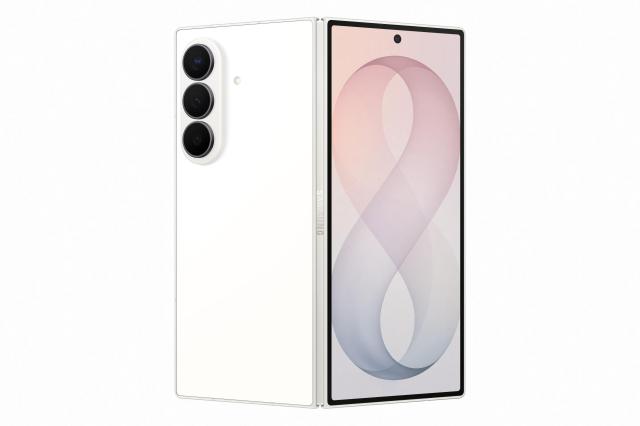
The Galaxy Z Fold8 Ultra sits at the top of the expanded range, featuring an 8-inch main screen, a 200-megapixel primary camera and a 50-megapixel ultra-wide camera.
The device weighs 215 grams and measures 4.1 millimeters thick when unfolded, making it the thinnest Fold model Samsung has produced. It carries a 5,000-mAh battery, supports charging of up to 45 watts and uses Qualcomm’s Snapdragon 8 Elite Gen 5 for Galaxy processor.
The standard Fold8 features a 7.6-inch main display, a 4,800-mAh battery and a dual-camera system with 50-megapixel wide and ultra-wide sensors. At 201 grams, it is Samsung’s lightest Fold device to date.
Both Fold models use Samsung’s new Flex Titanium structure, which combines a titanium alloy film with a reinforced titanium plate. Samsung said the design improves durability and reduces the visible crease in the folding display.
Their displays reach peak brightness of up to 3,000 nits, around 15 percent brighter than the previous generation, according to the company.
The Galaxy Z Flip8 weighs 180 grams and is 6.1 millimeters thick when unfolded. It features a 6.9-inch main display, a 4.1-inch cover screen and a 4,300-mAh battery.
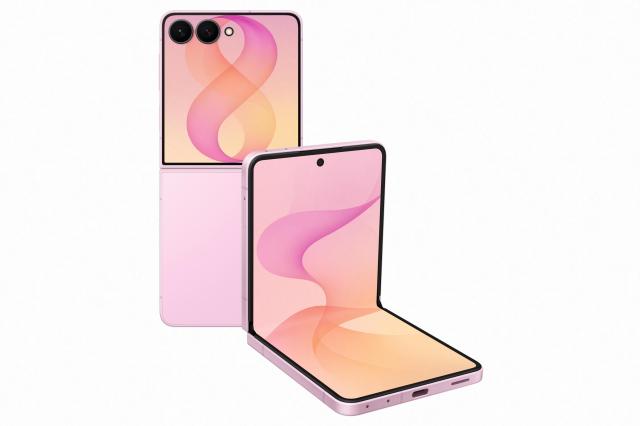
Samsung has expanded the Flip’s cover display into a more AI-focused interface, allowing users to access applications, customized information and AI functions without opening the device.
The Flip8 is powered by Samsung’s Exynos 2600 processor and features a 50-megapixel main camera. New video functions include a camcorder-style grip, touch-based zoom control and enhanced stabilization.
Samsung said the Fold8 Ultra will start at 2.577 million won ($1,850) in South Korea for the 256-gigabyte model. The Fold8 will start at 2.278 million won, while the Flip8 will be priced from 1.683 million won.
Domestic preorders will run from July 28 through Aug. 3, with global sales beginning in major markets including South Korea, the United States, Britain, India and Brazil on Aug. 7.
Alongside the foldables, Samsung provided further details of its Intelligent Eyewear, an Android XR-based device that uses cameras, microphones, speakers and sensors to deliver hands-free AI functions.
The glasses can interpret voice, gestures and visual information to provide navigation, translations, messaging and information-recording functions. They can, for example, recognize a foreign-language menu or a conversation and relay a real-time translation through Google’s Gemini AI.

The device can also record whiteboards, documents and meetings through its built-in camera and automatically organize the information in the Samsung Notes app on a connected Galaxy phone.
Samsung said the glasses can operate for up to nine hours on a single charge, with the charging case providing up to seven additional charges.
The company revealed two new designs developed with Gentle Monster and Warby Parker, bringing the total number of Intelligent Eyewear designs shown so far to four. The products are scheduled to go on sale later this year, though Samsung did not disclose pricing or a specific launch date.
The move places Samsung more directly in competition with Meta Platforms, whose Ray-Ban smart glasses have helped build early consumer demand for AI-enabled eyewear.
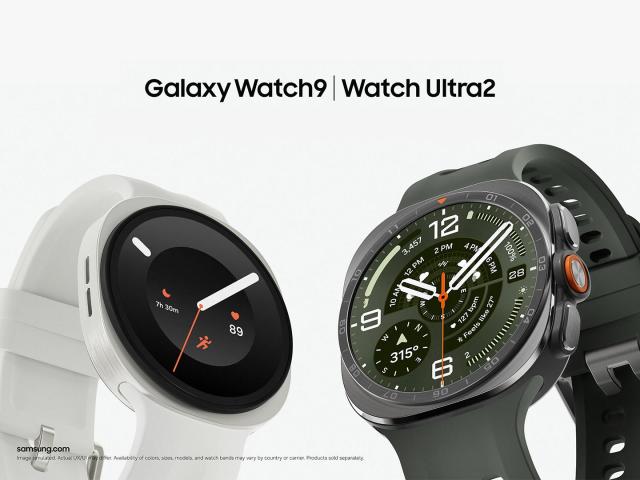
Samsung also introduced the Galaxy Watch Ultra2 and Watch9, both powered by Qualcomm’s Snapdragon Wear Elite platform.
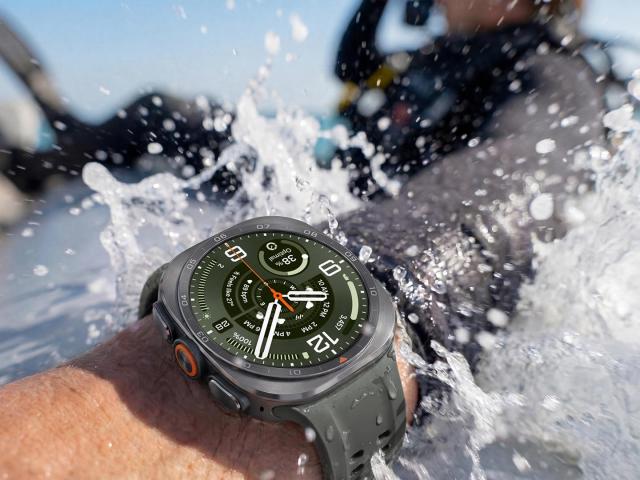
The Watch Ultra2 features an 800-mAh battery, a display with peak brightness of 5,000 nits and new tracking tools for trail running and diving. It carries 10ATM and IP69K water-resistance ratings and has received EN13319 certification for diving instruments.
The Watch9 focuses on continuous health monitoring and adds functions covering vital signs, heart health scores, daily cardiovascular load, physical fitness and hearing protection.
The Watch Ultra2 will cost 969,100 won ($655) in South Korea, while the Watch9 will start at 499,000 won ($337) for the 40-mm Bluetooth model. Both will go on sale on Aug. 7, following domestic preorders beginning July 28.

Copyright ⓒ Aju Press All rights reserved.