
SEOUL, July 23 (AJP) - Samsung Electronics said foldable smartphones have entered the mainstream, shifting the competitive battleground from hardware form factors to artificial intelligence as it expands its Galaxy Z8 lineup and pushes agentic AI across its device ecosystem.
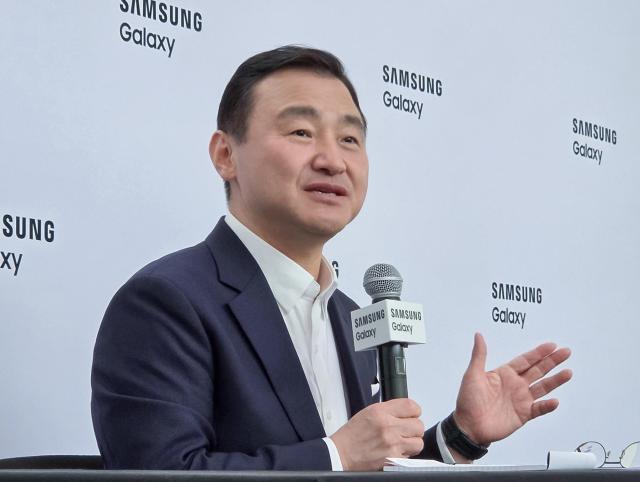
Speaking to reporters after Galaxy Unpacked in London, TM Roh, Samsung Electronics' chief executive and head of the Mobile eXperience (MX) division, said the newly unveiled Galaxy Z8 series marked a new stage for the foldable market, where consumers are increasingly choosing devices based on different usage needs rather than form factor alone.
Samsung introduced three foldable models this year — the Galaxy Z Fold8 Ultra, Galaxy Z Fold8 and Galaxy Z Flip8 — targeting users seeking productivity, immersive entertainment and portability, respectively. The company also highlighted its new Flex Titanium technology, which combines reduced weight with improved durability in its latest foldables.
Roh said foldable smartphones had reached a level of maturity both technologically and commercially, adding that growing competition reflected broader market acceptance rather than a threat to Samsung's leadership.
"More companies entering the market means foldables have become mainstream," Roh said. "The technology and customer understanding we have built over the past seven years remain difficult to replicate."
Looking beyond hardware, Roh said artificial intelligence would become the next key differentiator for smartphones.
He said Samsung aims to expand Galaxy AI to 800 million users by the end of this year, while evolving AI from a question-and-answer tool into an "agentic AI" capable of carrying out tasks on behalf of users.
Roh also emphasized Samsung's broad device ecosystem, saying smartphones, watches, televisions and home appliances would allow the company to deliver more personalized AI experiences than competitors focused on a single product category.
He added that protecting users' personal information would remain a priority, saying sensitive personal data would stay on devices whenever possible and users would be able to understand and control how AI processes their information.
Samsung also identified digital health as one of the areas where AI could create the greatest value. The company said its latest Galaxy Watch and Samsung Health platform expand health monitoring beyond sleep, exercise and nutrition to include broader biometric indicators aimed at helping users identify potential health risks earlier.

Copyright ⓒ Aju Press All rights reserved.
