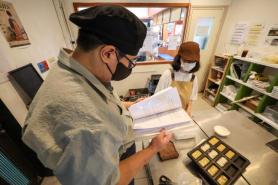
SEOUL, July 23 (AJP) - At 10 a.m., an hour before the first customers arrive, the lights flick on inside a modest Kimchi stew restaurant tucked into Hyehwa neighborhood, southwestern district on Seoul.
Three aprons are tied almost simultaneously. One employee wipes tables. Another arranges bowls into neat stacks. In the kitchen, vegetables are trimmed and ingredients portioned for the lunchtime rush. Before opening, everyone gathers around one table to eat together — breakfast and lunch folded into a single quiet meal.

There is little conversation. Everyone already knows what comes next. By 11 a.m., silence gives way to routine. "Welcome." The greeting repeats each time the entrance door swings open.
One worker patiently guides first-time customers through the self-order kiosk. Another clears dishes before new diners sit down. Behind the counter, Kimchi stew bubbles while bowls of rice disappear almost as quickly as they are prepared.
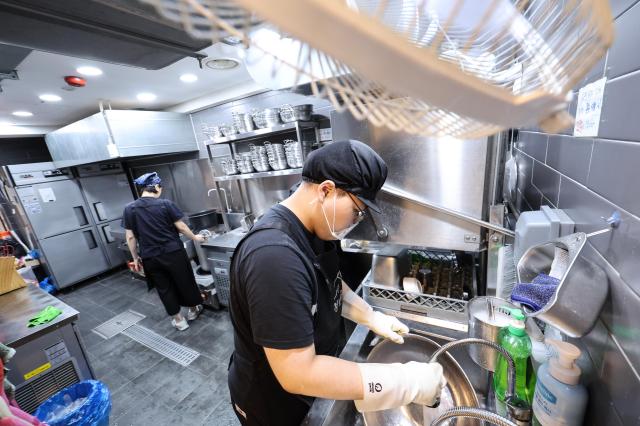
No one waits to be told. Each task naturally leads to another. Nothing about the restaurant immediately sets it apart from thousands of neighborhood eateries across Seoul. Only after spending time here does the difference emerge.
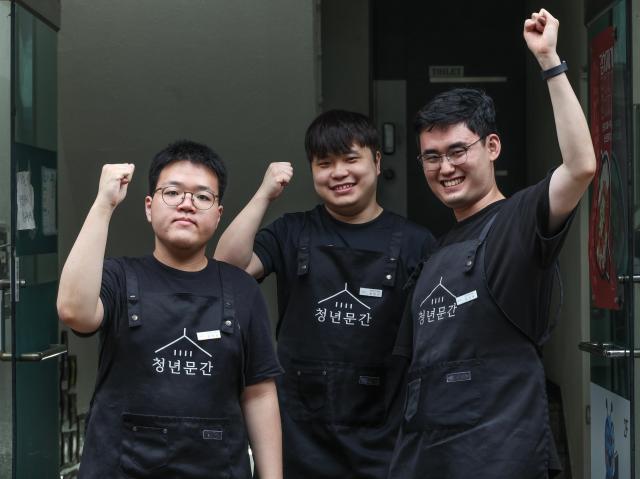
The staff are young adults with borderline intellectual functioning, employed through Youth Mungan's "Slow Store" program.
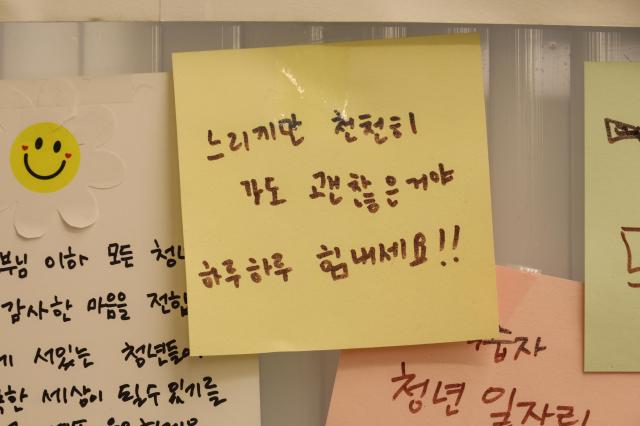
People with borderline intellectual functioning generally score between 71 and 84 on IQ tests. Though estimated to make up more than one in ten South Koreans, they fall outside the legal definition of intellectual disability and often receive little structured support after leaving school.
Inside this restaurant, however, labels matter less than routines. Every movement has been practiced. Opening the store. Preparing vegetables. Serving customers. Cleaning tables. Closing the register. The work has been broken into small steps, repeated until they become familiar. The manuals remain nearby. Most days, they are no longer needed.
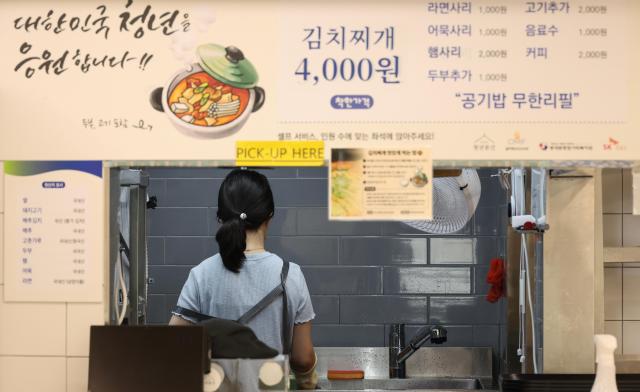
Youth Mungan did not begin with employment. Catholic priest Lee Moon-soo opened the restaurant years ago after learning that a young man had died alone from hunger in a tiny rented room. His answer was simple: affordable Kimchi stew for struggling young people. Later came another request.
Parents asked whether their children—young adults with borderline intellectual functioning—might simply be given a chance to work. Today there are five Youth Mungan restaurants across Seoul. Four operate as Slow Stores. The lunch rush eventually fades. Steam no longer rises from the kitchen. The dining room grows quiet again.
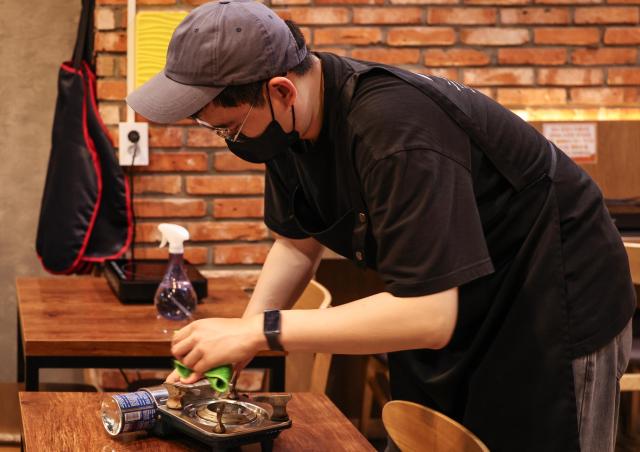
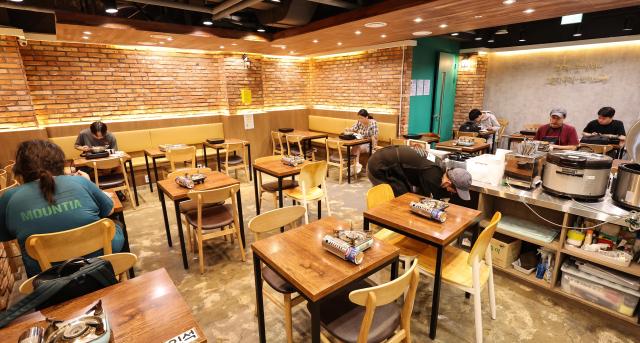
Several kilometers away at another Slow Store in Nakseongdae, 27-year-old Kim Ji-woo begins preparing for closing. Portable gas burners are disinfected one by one. Tables are wiped. The self-service station is cleaned.
Nearby, Kim Min-seong washes dishes while Jang Min-gyu organizes ingredients for tomorrow. Ji-woo checks each item on the closing list. Turn off the kiosk.
Portion the rice. Clean the coffee machine.
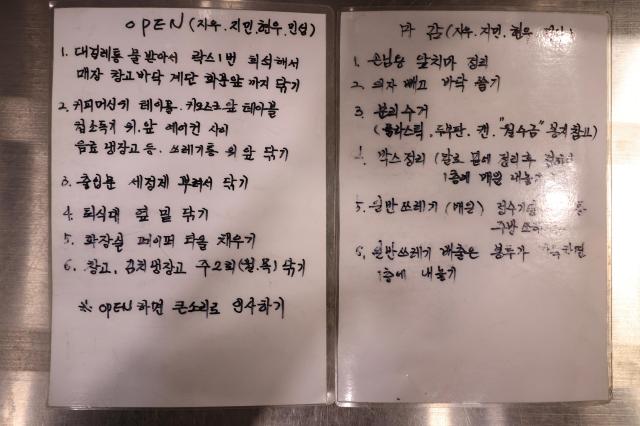
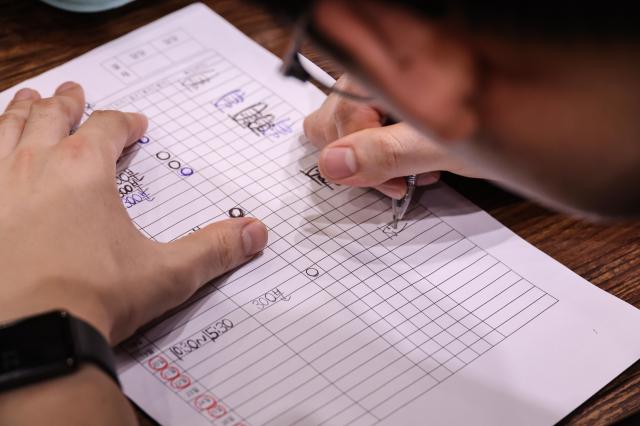
The checklist sits beside him, though his hands rarely need to look at it anymore. At 4 p.m., the aprons come off. They are folded carefully. Quiet goodbyes are exchanged. The workers leave for home. Customers stop noticing them long before that moment.
Perhaps that is the point. Nothing about the day feels extraordinary. The restaurant simply opens, serves lunch and closes again. The story of Youth Mungan's Slow Stores is not about overcoming disability. It is about what happens when enough time is given to learn.
Patience replaces urgency. Repetition becomes confidence. A checklist becomes memory. And another ordinary working day comes to an end—one task, one customer and one shift at a time.

Copyright ⓒ Aju Press All rights reserved.