According to the Defense Acquisition Program Administration and industry sources Friday, the military is preparing to draw up a purchase plan in September for the quadruped robot project, with a contractor expected to be selected through open bidding early next year.
DAPA plans to issue a public tender in January for the project, which will be conducted as a domestic purchase program.
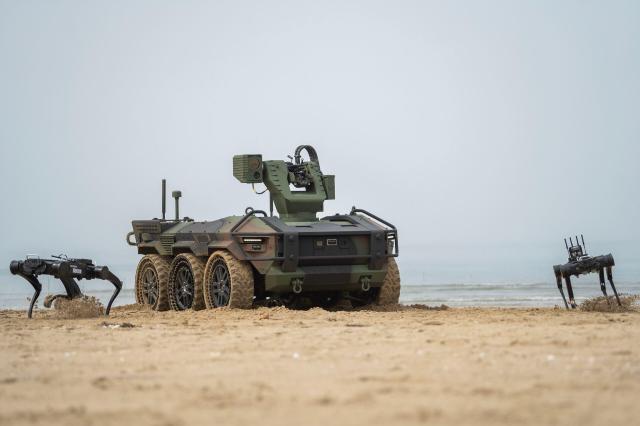
The robots, often called “robot dogs,” are designed to conduct reconnaissance, surveillance and search missions in areas that conventional unmanned ground vehicles have difficulty reaching, including stairs, rough terrain and the interiors of buildings.
The planned acquisition comes as militaries around the world are expanding the use of unmanned systems, with the war in Ukraine highlighting the operational value of drones and robotic platforms. For South Korea, the systems are also seen as a way to cope with a shrinking pool of military personnel caused by demographic decline.
The initial project is expected to cost about 50 billion won ($36 million) and involve the purchase of 60 to 70 quadruped robots. DAPA is also expected to pursue a separate program to acquire more than 400 additional robot dogs in the future.
The robots acquired under the projects are expected to be deployed mainly to Army frontline divisions.
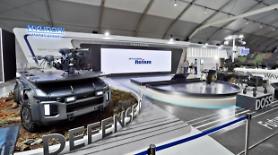
The program will be conducted through open competition rather than being assigned to a specific company. Hyundai Rotem and Hanwha Aerospace, which previously competed in the military’s first multipurpose unmanned ground vehicle project, are expected to face off again.
That earlier project was awarded to Hanwha Aerospace’s Arion-SMET platform, giving the company an early lead in the Army’s unmanned ground vehicle sector.
Hyundai Rotem, seeking to regain ground in the unmanned systems market, is preparing to join the new quadruped robot project in cooperation with Rainbow Robotics, according to industry officials.
Under a likely arrangement, Rainbow Robotics would provide the four-legged robot platform, while Hyundai Rotem would adapt it for military use by adding command, control and mission systems.
Hanwha Aerospace is also expected to enter the bidding with its own consortium, leveraging its track record in defense systems integration and unmanned ground vehicle development.

Copyright ⓒ Aju Press All rights reserved.