
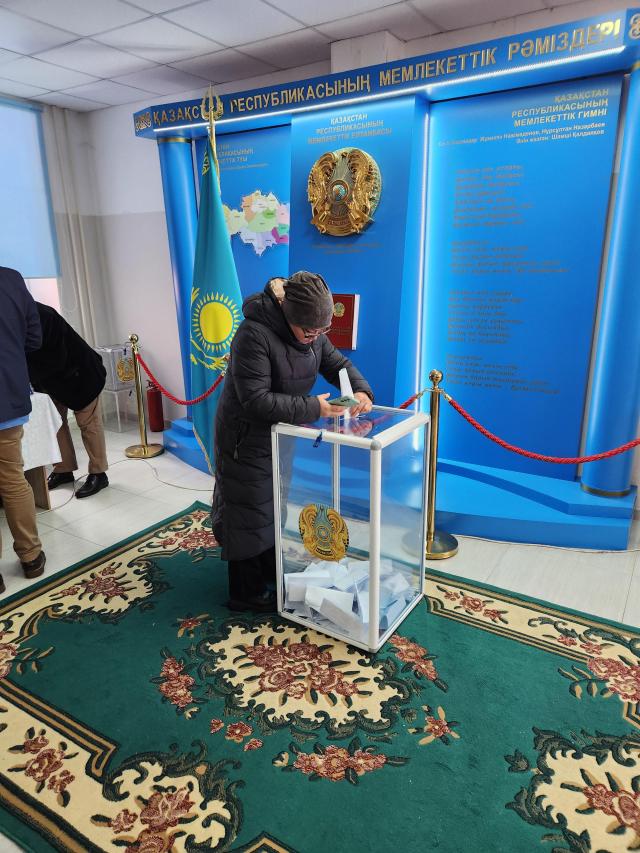
SEOUL, July 24 (AJP) - Kazakhstan will broadcast televised debates between political parties nationwide ahead of the August 23 elections to the Kurultay, the country's new single-chamber parliament, as the Central Asian nation prepares for its first vote under a constitution adopted this spring.
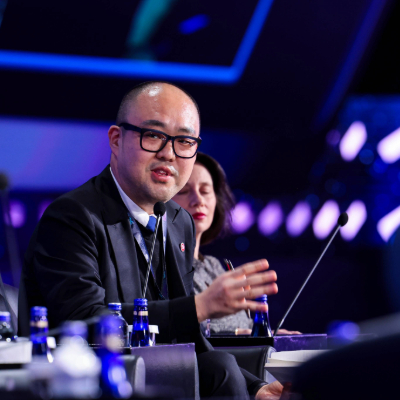
The plan was announced at a meeting of the Central Election Commission, Kazakhstan's state-run news agency Qazinform reported Friday. Lyazzat Suyindik, a member of the Central Election Commission (CEC), said media outlets are entitled to host such events as long as they comply with electoral law, and that discussions are underway to stage inter-party debates on the 24KZ channel. Three more broadcasters, Jibek Joly, Qazaqstan, and Channel 7, have applied to carry the debates.
Suyindik said media and online platforms must publish their rates and conditions for carrying paid campaign material by July 18, five days before official campaigning begins, and submit the information to the CEC. Parties fielding candidate lists may pay for their appearances in televised programs, including the debates, from their electoral funds.
The election will be a milestone in the most sweeping overhaul of Kazakhstan's political system since independence in 1991. Voters will fill all 145 seats of the Kurultay, a unicameral legislature that replaces the two-chamber parliament of the Mazhilis and the Senate. Deputies will serve five-year terms and be elected entirely through nationwide party lists.
The Kurultay was created by a new constitution that Kazakhstanis approved in a referendum on March 15, with nearly 90 percent voting in favor on a turnout of 73 percent, the highest for any national vote since 2019. President Kassym-Jomart Tokayev signed the constitution into force two days later, and it took effect on July 1. The document rewrote roughly 84 percent of the 1995 constitution, abolishing the Senate, restoring the office of vice president for the first time since 1996, and establishing the Halyk Kenesi, or People's Council, a presidentially appointed consultative body with the right to propose legislation.
The constitutional rewrite is the latest stage in a reform drive Tokayev has pursued since deadly unrest shook the country in January 2022. That year he pushed through constitutional amendments limiting presidents to a single seven-year term, and in 2023 he called early elections to the Mazhilis under a restored mixed electoral system. In September 2025 he went further, declaring it was time to part with what he called the super-presidential form of government, and proposed the transition to a unicameral parliament. The referendum, originally floated for 2027, was moved up to March this year.
The government presents the changes as democratic modernization that streamlines lawmaking and strengthens parliamentary oversight, and the new charter grants the Kurultay meaningful powers, including overriding presidential vetoes, initiating referendums, consenting to key appointments, and expressing no confidence in the government. Some analysts abroad have questioned how far the reforms shift the balance away from the presidency, noting that presidential bills could receive priority treatment in the new chamber. The Organization for Security and Co-operation in Europe, which observed the March referendum, is due to field an observation mission for the August vote, and its assessment will be an early test of how the new system is received internationally.
Public interest in the election appears high. A telephone survey by the Kazakhstan Institute of Public Development found that 70.3 percent of citizens plan to vote in the Kurultay elections, Qazinform reported.
Copyright ⓒ Aju Press All rights reserved.
