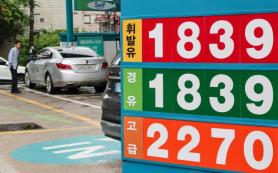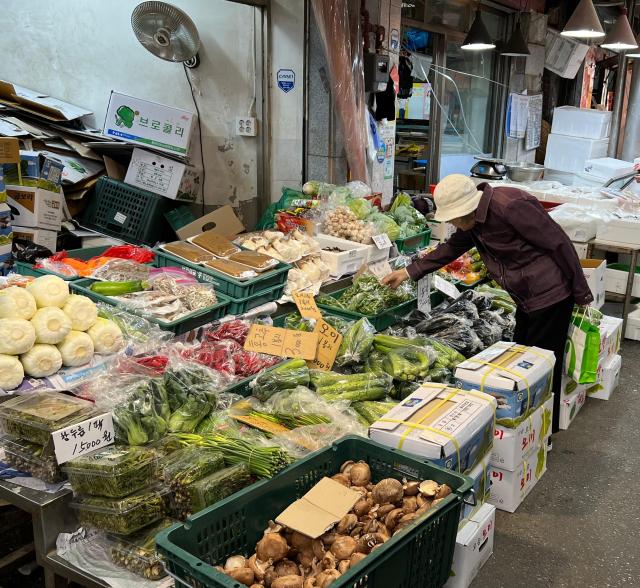
The measures were announced Thursday at a joint economic and cost-of-living meeting chaired by Deputy Prime Minister and Minister of Finance and Economy Koo Yun Cheol. The government issued a package aimed at stabilizing agricultural, livestock and fisheries prices and supplies as weather-related damage spreads.
Agricultural, livestock and fisheries prices rose 0.9 percent in July from a year earlier, slowing sharply from 3.2 percent in June. But the headline figure masked a divide: agricultural prices fell 2.2 percent while livestock and fisheries prices remained 4.4 percent and 3.9 percent higher, respectively, according to the Ministry of Data and Statistics.
Early heat stress was already showing up in short-cycle vegetables. Lettuce prices jumped 17.3 percent from June and spinach surged 42.8 percent, even as vegetable prices overall fell 0.9 percent month on month. The ministry said leafy vegetables with short growing cycles were particularly vulnerable to extreme heat.
The pressure is more acute at sea. As of Aug. 10, high-temperature alerts covering waters of at least 28 degrees Celsius were in effect in 31 of the country's 35 monitored sea areas, while 1.83 million farmed fish had died. July rainfall across Busan, Ulsan, South Gyeongsang, Gwangju and South Jeolla fell 64.7 percent from a year earlier, helping drive a rapid rise in temperatures along the eastern and southern coasts.
The Ministry of Oceans and Fisheries said the immediate impact on seafood supply and prices remained limited because market-sized fish accounted for only about 10 percent of the losses.
Olive flounder retailed at 37,950 won per kilogram in August, down 0.02 percent from July, while rockfish fell 0.3 percent to 37,430 won. The government warned, however, that price volatility could increase if high-temperature damage spreads.
The government will use 30 billion won to support discounts of up to 50 percent on olive flounder, rockfish and abalone through Aug. 23 and encourage farmers to bring vulnerable fish to market earlier.
Early shipments reached 23,149 metric tons by the fifth week of July, up 12.3 percent from a year earlier.
Authorities also plan to release 23.8 million fish from farms in affected waters to reduce stocking density, roughly double last year's 11.55 million, and could expand the program if damage worsens.
Support for affected fish farmers will also increase. Farmers will be eligible to receive half of estimated insurance payouts within 30 days after the cause of losses is confirmed, while this year's fisheries disaster-relief budget has been raised 153 percent to 33.2 billion won.
Initial recovery payments are due before Chuseok, while compensation rates will be increased for 18 items including olive flounder and rockfish and seven additional aquaculture items will become eligible for assistance.
Heat damage has also spread to crops in South Gyeongsang and South Jeolla provinces. Sweet persimmons have sustained damage across 1,125.7 hectares and rice across 572.5 hectares, mostly from sunscald and impaired growth.
Major summer vegetables have held up better after rainfall and cooler temperatures in Gangwon Province's main highland growing areas.
Fruit production is also projected to remain above last year's levels. The Korea Rural Economic Institute forecasts apple production at 487,000 tons, pears at 200,000 tons and sweet persimmons at 96,000 tons.
To protect crop supply, the government will provide 2.2 billion won of discounted pesticides and nutrients, along with heat-reflective coatings, water trucks and portable water tanks where needed.
Livestock farms have suffered heavier losses in absolute numbers. Heat had killed 54,299 pigs and 944,234 poultry as of Aug. 7, although the combined toll was 61 percent lower than a year earlier and represented only a small share of national stocks.
The government said the immediate impact on meat and egg supplies remained limited but could increase if extreme heat persists.
Authorities have mobilized 550 disinfection vehicles to spray and cool barns and expanded intensive monitoring from 576 farms to 18,978 vulnerable livestock operations. Cooling equipment and other heat-stress support are also being distributed.
The government has also stockpiled 15,000 tons of cabbage and 6,000 tons of radish for release if weather disrupts shipments. Discounts of up to 40 percent on vegetables will continue at major supermarkets and traditional markets through the Chuseok peak-demand period.
The domestic supply squeeze adds another layer to grocery inflation already being driven by imported costs.
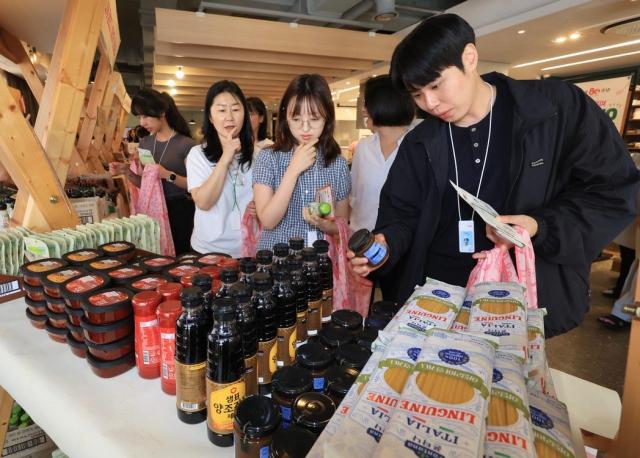
Pulmuone raised consumer prices on 30 products across seven categories by an average 6.7 percent from Thursday, including a two-serving package of Pyongyang naengmyeon, which increased to 7,480 won from 6,980 won. Samlip plans to raise prices on about 50 bread products by around 9 percent on average, with the convenience-store price of its Jeongtong Boreumdal cake rising 11.1 percent to 2,000 won from Sept. 1.
The agriculture ministry is seeking to offset some of that pressure through an August promotion with 10 major food companies covering 3,838 processed-food products at supermarkets, convenience stores and online retailers, with discounts of up to 57 percent.
AJP Takeaways
- Korea is spending 30 billion won on seafood discounts as high sea temperatures have killed 1.83 million farmed fish, although officials say the immediate supply impact remains limited.
- Weather damage is spreading across food production, with nearly 1 million pigs and poultry dead and heat damage reported in rice and sweet-persimmon fields.
- Authorities are expanding emergency intervention, including releases of 23.8 million farmed fish, higher disaster assistance, crop aid and cooling support for almost 19,000 vulnerable livestock farms.

Copyright ⓒ Aju Press All rights reserved.