The Ministry of Economy and Finance (MOEF) said in its September Green Book that exports increased sharply and domestic demand, including consumption, improved, marking the first use of the "solid recovery" assessment since September 2024.
The government's assessment has become progressively more upbeat since the spring, dropping its reference to downside risks in June before describing the recovery as becoming entrenched in July and strengthening in August.
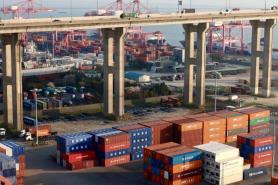
Exports remained the main driver of the recovery, with outbound shipments jumping 68.7 percent from a year earlier to $98.25 billion in August, the third-highest monthly total on record.
Semiconductor exports surged 209 percent to a record $46.65 billion, while computers and cosmetics also posted strong gains.
Domestic indicators were more mixed, with overall industrial output unchanged in July from a month earlier while facility investment rose 7.5 percent.
Retail sales fell 2.4 percent from June.
Services output declined 1.3 percent and construction output slipped 1.1 percent.
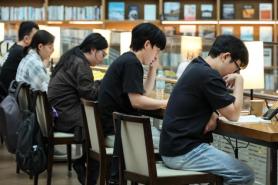
The labor market also showed uneven momentum despite stronger headline job growth, with the number of employed people rising by 184,000 from a year earlier to 29.15 million in August.
The youth employment rate fell 1.0 percentage point to 44.1 percent, while manufacturing jobs declined by 38,000 and accommodation and food-service employment dropped by 61,000.
Inflation remained another source of pressure, with consumer prices rising 3.1 percent in August from a year earlier, accelerating from 2.8 percent in July.
Core inflation excluding food and energy climbed 3.4 percent.
While upgrading its assessment of domestic conditions, the government turned more cautious on the external environment, saying uncertainty surrounding the Middle East war and U.S. tariff measures had "increased somewhat."
The wording marked a shift from August, when the ministry said uncertainty stemming from the Middle East conflict remained present.
The ministry said pressure on livelihoods persisted as uncertainty from the Middle East war increased somewhat, while high oil prices added inflationary pressure and employment conditions remained difficult for vulnerable groups and sectors.
To ease the burden, it said it would closely manage supplies of key items and carry out measures to stabilize prices ahead of the Chuseok holiday.
The ministry also said it would press ahead with its second-half economic growth strategy aimed at lifting potential growth and addressing economic polarization.
AJP Takeaways
- Seoul described South Korea's economy as being in a "solid recovery" for the first time since September 2024 as exports surged and domestic demand improved.
- South Korea's August exports jumped 68.7 percent, but inflation returned above 3 percent while weakness persisted in youth and manufacturing employment.
- South Korea's government upgraded its domestic economic assessment while warning that uncertainty from the Middle East war and U.S. tariff measures had increased.

Copyright ⓒ Aju Press All rights reserved.