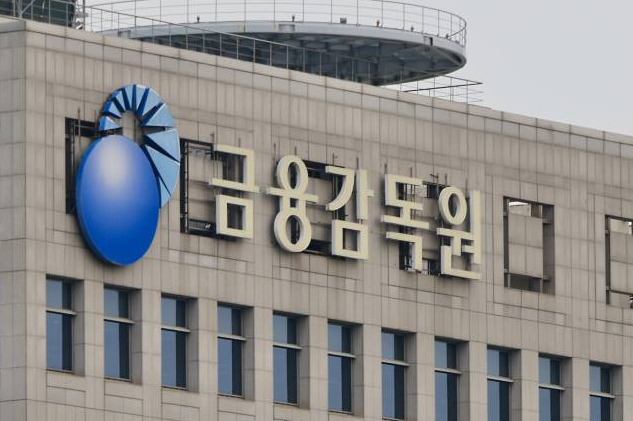
The delinquency rate on won-denominated loans stood at 0.63 percent at the end of July, up from 0.56 percent a month earlier and 0.57 percent a year earlier, according to the Financial Supervisory Service (FSS). The reading is the
highest for July since 2016, when the rate stood at 0.78 percent.
The measure covers loans with principal or interest payments overdue by at least one month.
The regulator attributed the increase to fresh corporate delinquencies, including those involving JoongAng Group affiliates, and a sharp decline in the amount of overdue debt removed from banks’ books.
Newly overdue loans totaled 3.2 trillion won ($2.33 billion) in July, up 600 billion won from June. Banks resolved 1.4 trillion won in delinquent debt through write-offs and sales, down 3.9 trillion won from the previous month.
Banks typically write off or sell more overdue loans at the end of each quarter. Such activity tends to slow during the quarter, pushing delinquency rates higher.
The new delinquency rate, which measures loans that became overdue during the month against total lending outstanding at the end of the previous month, rose to 0.12 percent from 0.10 percent in June and 0.11 percent a year earlier.
Corporate loans showed the sharpest deterioration. Their delinquency rate rose to 0.78 percent in July from 0.68 percent in June and 0.67 percent a year earlier.
The rate for loans to large companies climbed to 0.36 percent from 0.22 percent a month earlier and 0.14 percent a year earlier. It was the highest since July 2021, when the figure reached 0.37 percent.
Small and midsized businesses also came under greater repayment pressure. Their delinquency rate rose to 0.91 percent from 0.82 percent in June.
The rate for small and midsized corporations increased to 1.00 percent from 0.92 percent and for self-employed borrowers up to 0.77 percent from 0.69 percent.
Household loans showed a smaller increase, with their delinquency rate edging up to 0.42 percent from 0.40 percent in June. The figure remained below the 0.43 percent recorded a year earlier.
The mortgage delinquency rate rose to 0.29 percent from 0.28 percent. The rate for other household borrowing, including unsecured credit loans, increased to 0.84 percent from 0.77 percent.
The FSS warned that delinquency rates could continue to rise as market interest rates remain elevated and uncertainty over external economic conditions persists.
AJP Takeaways
- South Korean banks’ won-denominated loan delinquency rate rose to 0.63 percent at the end of July 2026, the highest July level since 2016, according to the Financial Supervisory Service.
- Corporate debt drove the increase, with the delinquency rate for business loans rising to 0.78 percent in July 2026 and the figure for loans to large companies reaching 0.36 percent, the highest since July 2021.
- The Financial Supervisory Service said new delinquencies tied to JoongAng Group affiliates and a drop in overdue-loan write-offs and sales contributed to the July 2026 increase, while household loan delinquencies rose more modestly to 0.42 percent.

Copyright ⓒ Aju Press All rights reserved.