
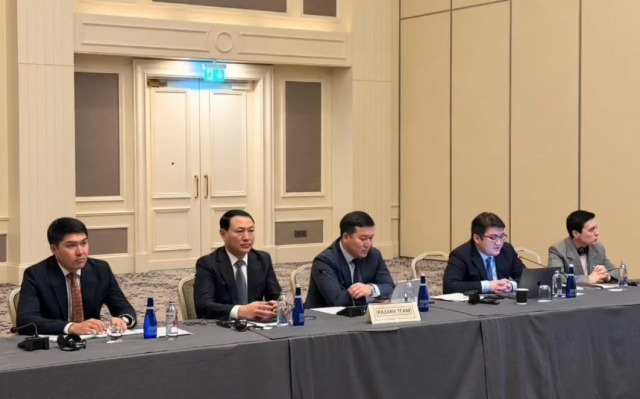
SEOUL, October 30 (AJP) - Negotiations on a hydropower plant that Kazakhstan, Kyrgyzstan and Uzbekistan plan to build and run together moved to Istanbul, where the three governments held technical talks with support from the World Bank, Kazakhstan's Ministry of Energy said.
The meeting followed three rounds of negotiations this year on a draft intergovernmental agreement. This treaty would set out how the three countries build, finance and operate the 1,860-megawatt Kambarata-1 plant on the Naryn River in Kyrgyzstan. Those rounds were held in Bishkek from March 31 to April 2, in Tashkent from April 28 to 30 and in Almaty from Sept. 21 to 23.
After the Almaty round, the ministry said the parties had made progress on some outstanding provisions of the draft and agreed to keep working on the rest. The agreement has not been signed.
The ministry did not say when the Istanbul talks took place or whether they formed part of the treaty negotiations. Delegates reviewed key technical aspects of the project, exchanged views on priority areas for further joint work and discussed wider cooperation in water and energy management, it said.
Kazakhstan sent Deputy Energy Minister Yerzhan Yertayev and Deputy Minister of Water Resources and Irrigation Arsen Zhakanbayev.
Water carries as much weight for the downstream countries as electricity. The Naryn is the main headstream of the Syr Darya, which flows through Uzbekistan and Kazakhstan toward the Aral Sea and feeds irrigation across both countries.
Kambarata-1 would sit upstream of an existing chain of plants on the Naryn, including Kambarata-2 and the Toktogul Reservoir, according to the World Bank. The lender says that by producing power in winter, the new plant could improve water use in the region while reducing flood risks and protecting the cascade below it.
Kazakhstan's Ministry of Energy said the plant is expected to strengthen Central Asia's energy potential and expand regional cooperation in electricity generation and the sustainable use of water resources.
The energy ministries of the three countries signed an inter-ministerial agreement on jointly developing the project in June 2024, the same month a donor coordination committee of international lenders was formed to back it. The three governments have since asked the World Bank to act as lead arranger for the project.
The World Bank has committed $18.6 million in technical assistance to prepare the plant, including updating its feasibility study, and estimates the project will create up to 7,000 jobs during construction and operation.
Building on that preparatory work, the World Bank said it is considering providing financing for the plant's construction.

Copyright ⓒ Aju Press All rights reserved.
