ZURICH, November 15 (AJP) - Shares of vVARDIS, a Swiss company that treats tooth decay without a drill, closed about 8 percent below their offering price on their first day of trading in New York.
The company, based in the central Swiss canton of Zug, makes Curodont, a gel for early cavities. Instead of drilling, a dentist applies the gel, which seeps into the cavity so that minerals from saliva can rebuild the tooth enamel. More than 20,000 US dental practices use it, according to the company’s filing.
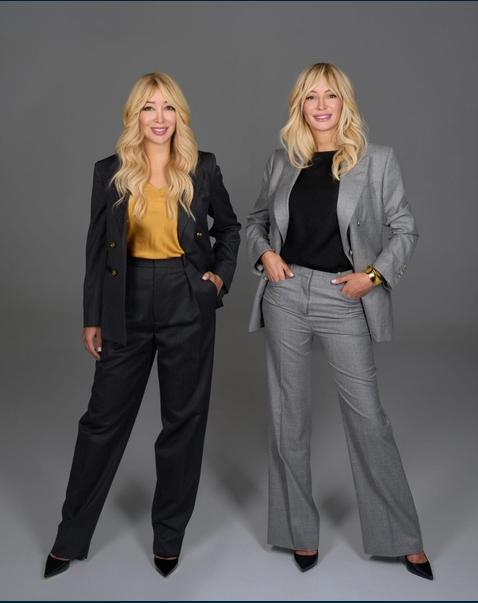
Behind the company are two sisters, Haley and Goly Abivardi. Their family fled Iran for Switzerland in the early 1980s after the Islamic Revolution, Swiss public broadcaster Schweizer Radio und Fernsehen (SRF) reported.
Both sisters trained as dentists at the University of Zurich. They first became known in Switzerland for Swiss Smile, a chain of dental clinics they built and later sold, before founding vVARDIS six years ago.
On Friday, they took the company public. vVARDIS sold about 9.7 million shares at $18 each in its initial public offering (IPO), its first sale of shares to outside investors. It raised about $175 million, after first aiming for $21 to $24 a share.
Trading on the New York Stock Exchange (NYSE) was slow to start. The first trade came about three hours after the market opened, at $14, SRF reported.
The shares recovered some ground but still ended the day down about 8 percent, leaving the company worth just under $3 billion. The founders had hoped for a value of more than $4 billion.
Investors have become more careful about prices than before, research firm IPOX said, according to financial news site Finimize. IPOX pointed to the company’s losses and its heavy reliance on a single distributor.
Wall Street’s caution reflects real risks. About 95 percent of vVARDIS revenue comes from the United States, mostly through dental supplier Henry Schein. In the United States, Curodont is sold as an over-the-counter product, and the Food and Drug Administration (FDA) has not reviewed its safety or effectiveness, SRF reported.
Sales are growing fast, but the company is not yet profitable. It lost $56.4 million last year on revenue of about $30 million, SRF reported. Revenue more than doubled to between $47.7 million and $49.2 million in the first nine months of this year, according to preliminary figures.
Swiss coverage has also focused on debt. vVARDIS had $103 million in loans at the end of 2025, some at interest rates of up to 16 percent, SRF reported before the listing. The sisters also carry personal debts and have pledged their shares as collateral.
They will nonetheless keep firm control. Special Class B shares give them about 87 percent of the voting rights.
With most of its sales in the United States, vVARDIS chose New York over Zurich. SIX Swiss Exchange has been trying to keep such companies at home. In a white paper published in February, the Zurich exchange argued that bank fees for a Swiss listing run 2 to 5 percent of the money raised, against 4 to 7 percent in the United States.
Last weak debut could make it harder for other loss-making health companies to go public on their preferred terms, Finimize said. For vVARDIS, the next test is whether its fast-growing sales can turn into profit.
Tags: vVARDIS, Haley Abivardi, Goly Abivardi, Curodont, New York Stock Exchange, IPO, SIX Swiss Exchange, Henry Schein, FDA, IPOX, Swiss Smile, Zug, Switzerland
Copyright ⓒ Aju Press All rights reserved.