ZURICH, November 26 (AJP) - Bayer, the German maker of Aspirin, will pull a heart and kidney medicine from its home market next month after a price fight, the same week it unveiled its largest single pharmaceutical investment in China.
Bayer said it would withdraw Kerendia from Germany on December 15 after unsuccessful price negotiations, German tech news site IT Boltwise reported. The medicine treats chronic kidney disease linked to type 2 diabetes and a form of heart failure.
The dispute follows a decision by Germany’s Federal Joint Committee (G-BA), the body that judges how much a new medicine improves on existing treatments. It found no added benefit for Kerendia in symptomatic chronic heart failure, which limits the price Bayer can charge Germany’s public health insurers.
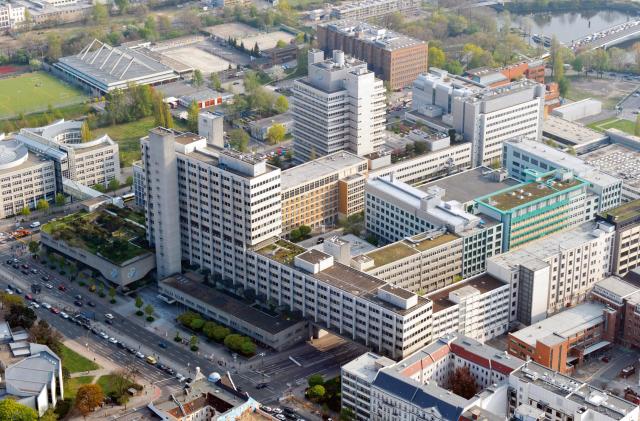
The move is striking for a company so rooted in Germany. Bayer, based in Leverkusen in the west of the country, has more than 160 years of history and became famous for inventing Aspirin. Today it also makes seeds and crop chemicals after buying US agricultural firm Monsanto in 2018.
In the same week, Bayer struck a very different tone in Asia. The company will invest up to 500 million euros ($550 million) to expand its pharmaceutical plant in Beijing, news agency Reuters reported. Bayer called it the largest single investment its pharma division has made in China.
The site will first make cardiovascular medicines and later cancer treatments, mainly for Chinese patients. Production is due to start in 2032, and the plant is designed for up to 300 jobs.
“China is one of our most important pharmaceutical markets,” said Stefan Oelrich, head of Bayer’s pharma division, according to Reuters. He said the investment reflected confidence in the market’s long-term development.
Bayer has operated in Beijing since 1997. The company describes the site as the largest of its packaging plants worldwide for prescription medicines, and it plans to spend about 1 billion euros more in China through 2030 on production, supply chains and digital systems.
China is also becoming a source of new medicines for Bayer. The company recently licensed an experimental cancer drug from Chinese drugmaker Hansoh Pharmaceutical, paying 150 million dollars upfront with up to 3.1 billion dollars in further payments if the drug succeeds.
The contrast reflects a wider tension in Europe. Governments are trying to hold down health spending, while drugmakers argue that low prices discourage them from launching new treatments. Germany’s benefit assessment system, introduced in 2011, ties prices to proven added benefit over existing treatments.
Switzerland faces a similar debate. Some new medicines now launch later there, or not at all, as companies weigh low Swiss prices against higher ones in the United States.
For China, Bayer’s move is a vote of confidence at a time when some Western firms are trimming their exposure. Beijing has been courting foreign drugmakers by speeding up approvals for new medicines, and Chinese biotech firms have become a major source of new drug candidates for global companies.
Investors took the news calmly. Bayer shares fell 2.3 percent on the day the German withdrawal was announced and rose 2.4 percent by Thursday midday, IT Boltwise reported. Analysts at German bank Berenberg upgraded the stock to “buy” from “hold” on Thursday.
For patients in Germany, the decision means switching to other treatments. For Bayer, it shows where the company sees its future growth.
Tags: Bayer, Kerendia, China, Beijing, Stefan Oelrich, Hansoh Pharmaceutical, Federal Joint Committee, G-BA, drug pricing, pharmaceutical investment, Germany, Berenberg
Copyright ⓒ Aju Press All rights reserved.