ZURICH, November 29 (AJP) - Swiss voters on Sunday backed a nationwide ban on noisy fireworks, curbing a loud national tradition and squeezing a small market for Chinese manufacturers.
About 61 percent of voters supported the initiative, according to a projection by research institute gfs.bern for the Swiss Broadcasting Corporation (SRG). It also won a majority of the country’s cantons, which constitutional changes in Switzerland need to pass, Swiss news site Nau.ch reported.
The new rule bans the sale and private use of fireworks that make noise. Firecrackers and loud rockets will disappear from shops, while quiet products such as sparklers and fountain-like “volcanoes” stay legal.
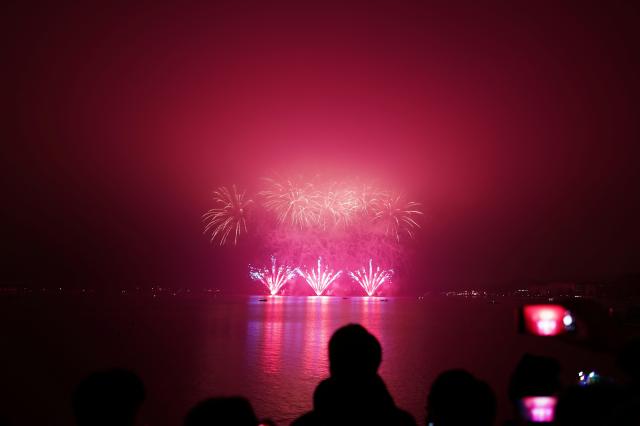
Large public displays will not vanish entirely. Cantons can still allow professional shows for events of supraregional importance, such as Swiss National Day on August 1 and New Year’s Eve. Parliament and the government have two years to set the details, including what counts as noise.
The result is a defeat for the government. The Federal Council, parliament and the main center-right parties had all urged voters to reject the plan. Political scientist Lukas Golder of gfs.bern called it a “resounding defeat” for the center-right camp, Swiss financial news site cash.ch reported.
Animal welfare groups launched the initiative and collected more than 137,000 signatures. They argued that sudden bangs panic pets, farm animals and wildlife, and that some frightened animals run away and are never found.
Fireworks also leave a mark on the environment. They produce several hundred tons of fine dust a year, about 2 to 3 percent of Switzerland’s total, according to government figures cited by Swiss news portal blue News. They also leave around 1,300 tons of waste, and about 100 tons of metals end up in soil and water.
Fireworks also take a toll on people’s health. Swiss accident insurer Suva receives about 70 reports of hearing damage from fireworks each year.
The ban will hit a modest industry. Swiss fireworks sales are worth 50 million to 60 million Swiss francs ($60 million to $71 million) a year, and about 70 percent comes from noisy products, blue News reported.
Many of those fireworks come from China. Switzerland sells 1,200 to 2,300 tons of fireworks a year, about three-quarters of them imported, and China is by far the main supplier, Swiss news site swissinfo.ch reported. In neighboring Germany, 98 percent of fireworks imports came from China last year, the country’s Federal Statistical Office said.
Switzerland is not alone. The Netherlands plans to ban most consumer fireworks before the end of the year, following Ireland. Singapore and Australia already largely limit fireworks to licensed professionals.
Opponents warned that the ban could backfire. The Federal Council said illegal online purchases from abroad could rise, and that cantons and towns can already restrict fireworks. Nine of Switzerland’s 10 largest cities by population have done so, and the Alpine resort of Davos banned noisy fireworks in 2020.
For many Swiss, the change will be felt most on August 1, when villages traditionally light bonfires and set off rockets. Within two years, those night skies may be much quieter.
Tags: Switzerland, fireworks ban, referendum, gfs.bern, Lukas Golder, Federal Council, animal welfare, China, Swiss National Day, air pollution, Suva, Netherlands, Singapore
Copyright ⓒ Aju Press All rights reserved.