
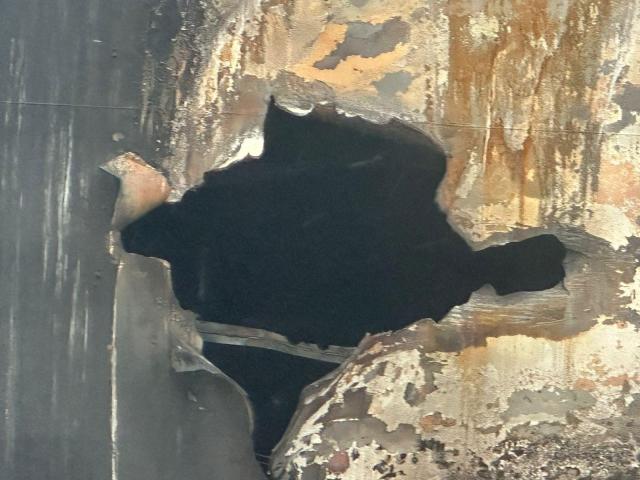
State-run Kuwait Petroleum Corp. last Friday notified buyers that it would maintain contractual force majeure for an extended period, citing damage to infrastructure and the time needed to restore full operations.
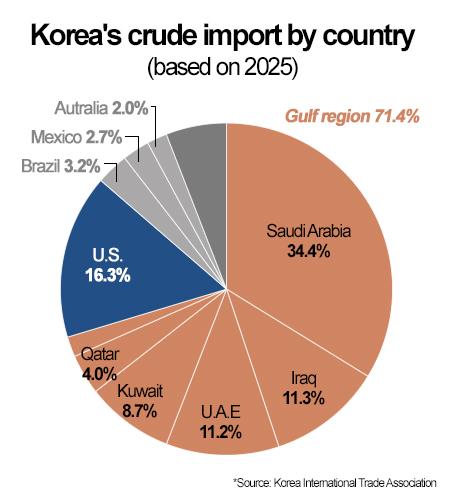
South Korea relied on Kuwait for 8.7 percent of its crude imports last year. With the Strait of Hormuz effectively closed for nearly two months, Seoul has been forced to turn to longer shipping routes to secure additional volumes from other Gulf producers such as Saudi Arabia and the United Arab Emirates. Unlike the two, Kuwait relies entirely on the crippled waterway to ship out its energy.
The strain is already visible at the pump.
Neighboring Japan has kept gasoline prices in the 1,500 won range — 1,527 won as of April 19 — through sustained government subsidies, limiting increases to single digits over the same period. Korea’s prices are 23.8 percent higher than Japan’s for gasoline and 28.3 percent higher for diesel.
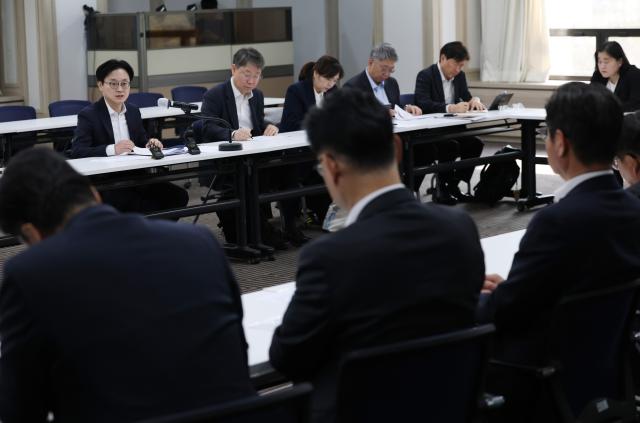
“While Korea has implemented a price ceiling, our rate of increase is more than double that of Japan,” Yang Ki-wook, deputy minister for industrial resource security, admitted at a briefing of the government’s Middle East response task force. “Japan appears to be continuing to inject substantial subsidies.”
The United States presents a more mixed pattern. Gasoline prices stood at 1,586 won per liter as of April 20, about 20.8 percent below Korea’s level, while diesel was higher at 2,170 won, reflecting stronger freight demand and refining margins.
The comparison comes as Seoul faces mounting calls to more aggressively curb prices through fiscal measures. Officials maintain that Korea is focused on managing the pace of increases — through a combination of price ceilings and fuel tax adjustments — rather than directly subsidizing retail prices.
"With wide variations in price levels and increases across countries, whether Korea is excessively suppressing prices should be assessed in comparison with other cases,” Yang said.
Korean refiners have been diversifying import sources to secure replacement volumes, but dependence on the Middle East continues to constrain flexibility. Four of Korea’s top five crude suppliers — excluding the United States — are located in the region, leaving supply exposed if disruptions persist.
The pressure is also spilling into industrial supply chains.
Concerns over ethylene gas — a key input derived from naphtha and used in shipbuilding — have prompted emergency coordination between the government and industry.
HD Hyundai has begun producing and supplying ethylene through its affiliate HD Hyundai Chemical, shipping around 2,000 tons from the Daesan petrochemical complex to shipyards near Ulsan. About 200 tons will be allocated to smaller shipbuilders.
“We will continue to expand public-private cooperation to prevent production disruptions amid supply chain instability,” Yang said.
Copyright ⓒ Aju Press All rights reserved.
