
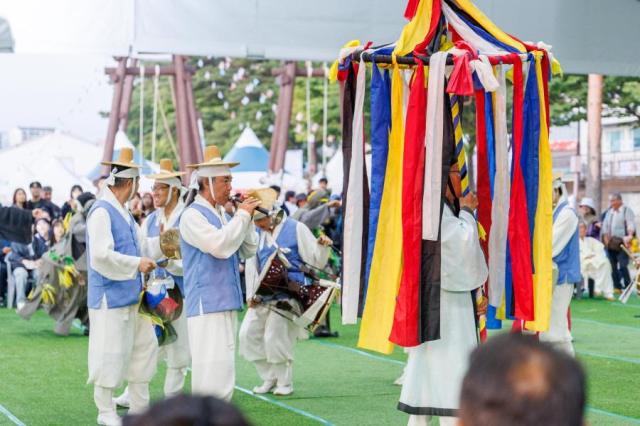
SEOUL, May 27 (AJP) - A folk festival with over 1,000 years of history, is set to return in Gangneng, Gangwon Province next month with eight days of ritual, performance and communal celebration along Namdaecheon, a stream running through the heart of the city.
The festival, known as Gangneung Danoje, recognized as both a UNESCO Intangible Cultural Heritage of Humanity and a national intangible heritage of South Korea, runs from June 15 to 22 in the eastern coastal city. One of Korea's largest folk festivals, it draws around one million visitors each year.
The weeklong festival centers on Dano, a traditional Korean holiday observed on the fifth day of the fifth lunar month, marking the height of spring.
This year's theme is "Pulrini, Dano-da," a Korean phrase built around the idea of release and renewal during Dano. The concept reflects the festival's spirit of healing, with visitors traditionally letting go of sorrow and misfortune through shamanic rites and washing away bad luck with water infused with changpo or sweet flag, a plant traditionally believed to ward off evil spirits and bring good health.
The festival, known as Gangneung Danoje, recognized as both a UNESCO Intangible Cultural Heritage of Humanity and a national intangible heritage of South Korea, runs from June 15 to 22 in the eastern coastal city. One of Korea's largest folk festivals, it draws around one million visitors each year.
The weeklong festival centers on Dano, a traditional Korean holiday observed on the fifth day of the fifth lunar month, marking the height of spring.
This year's theme is "Pulrini, Dano-da," a Korean phrase built around the idea of release and renewal during Dano. The concept reflects the festival's spirit of healing, with visitors traditionally letting go of sorrow and misfortune through shamanic rites and washing away bad luck with water infused with changpo or sweet flag, a plant traditionally believed to ward off evil spirits and bring good health.
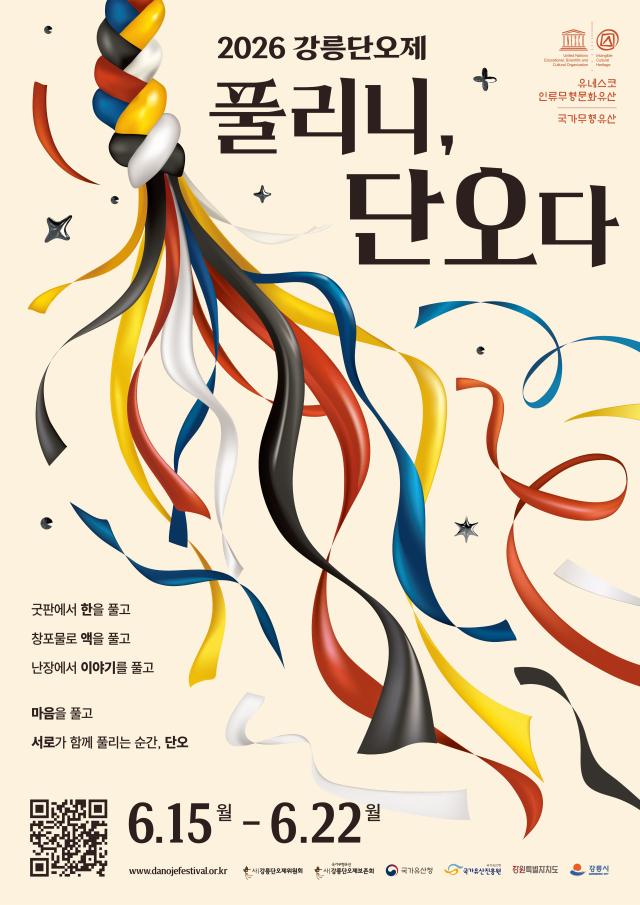
This year's program features over 70 events including ritual ceremonies, folk games and performances.
A centerpiece is a silent mask play known as the "Gwanno mask drama," performed entirely through movement and gesture, with no spoken dialogue. The five-act performance tells the story of a masked nobleman and a young woman known as "Somaegaksi."
Another highlight is a street parade on June 17, the third day of the fifth lunar month. The procession retraces the ritual journey of the festival's tutelary deity, moving through the central streets of Gangneung.
Visitors are encouraged to wear hanbok, traditional South Korean gown, as this year’s official dress code. Those who do will receive a 10 percent discount at food courts and a commemorative badge.
Gangneung Danoje traces its origins to harvest rituals and communal ceremonies of early Korean tribal states. Historical records including the Goryeosa chronicle and the collected writings of Joseon-era scholar Heo Gyun, document its more than 1,000-year history.
A centerpiece is a silent mask play known as the "Gwanno mask drama," performed entirely through movement and gesture, with no spoken dialogue. The five-act performance tells the story of a masked nobleman and a young woman known as "Somaegaksi."
Another highlight is a street parade on June 17, the third day of the fifth lunar month. The procession retraces the ritual journey of the festival's tutelary deity, moving through the central streets of Gangneung.
Visitors are encouraged to wear hanbok, traditional South Korean gown, as this year’s official dress code. Those who do will receive a 10 percent discount at food courts and a commemorative badge.
Gangneung Danoje traces its origins to harvest rituals and communal ceremonies of early Korean tribal states. Historical records including the Goryeosa chronicle and the collected writings of Joseon-era scholar Heo Gyun, document its more than 1,000-year history.
The festival survived both the Japanese colonial period and the Korean War, preserving a layered tradition that blends Confucian rites, Buddhist elements and shamanic beliefs.
In recognition of its historical depth and cultural value, Gangneung Danoje was inscribed on UNESCO's Representative List of the Intangible Cultural Heritage of Humanity in November 2005.

Copyright ⓒ Aju Press All rights reserved.
