
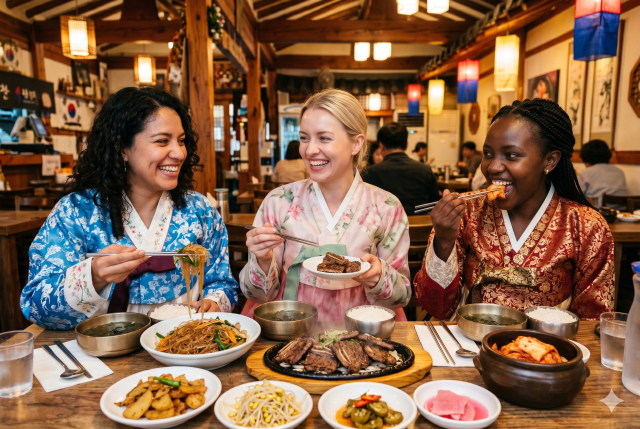
SEOUL, June 01 (AJP) - The Korea International Trade Association has identified Honduras, Latvia and Kenya as strategic target markets to reduce South Korea's heavy reliance on the United States, China and Japan for food exports. The strategy aims to leverage the global popularity of South Korean culture to open new trade channels and sustain long-term growth.
South Korean food exports have grown at an annual rate of 5.8 percent since 2015, surpassing 9 billion dollars in 2024. However, more than 50 percent of the export volume over the past decade remained concentrated in just three nations, prompting industry calls for immediate market diversification.
The association published its findings Monday in a report outlining export competitiveness and market expansion strategies. Researchers selected the three countries based on surging local interest in South Korean culture, noting they all met strict criteria for cultural fan club growth and consumer goods import increases between 2021 and 2023.
The report recommended specific product categories and localized approaches for each emerging market. For Honduras, researchers highlighted snacks such as sweets and ice cream, advising companies to launch sweet, large-capacity products and focus on hypermarket promotions to capture a growing youth demographic and urban population.
In Latvia, which recorded the highest food import openness among 14 candidate nations, the association projected strong demand for mild sauces and dressings. The report suggested an integrated marketing campaign spanning YouTube, Google and expanding offline retail networks like hypermarkets and convenience stores.
Kenya was identified as a target market for processed rice foods, including tteokbokki and rice crackers. The country offers a rapidly expanding consumer base, improved mobile payment infrastructure and an active e-commerce sector where platforms like TikTok and WhatsApp can drive localized sales.
Across all three markets, the association urged exporters to strictly comply with local ingredient labeling rules and eco-friendly regulations driven by environmental, social and corporate governance standards.
"Export channel diversification is the key that will determine the competitiveness of K-food going forward," said Kim Moo-hyun, chief researcher at the association. "Our companies should actively utilize services from related organizations, and the government must also strengthen communication with local regulatory authorities centered on diplomatic missions, acting as one team."
To support these expansion efforts, the trade association plans to publish five strategic reports on consumer goods exports this year. The organization will also host business-to-business exhibitions linking South Korean companies with local buyers in Ho Chi Minh City and Paris in June, Jakarta in September, and Los Angeles in October.

Copyright ⓒ Aju Press All rights reserved.
