
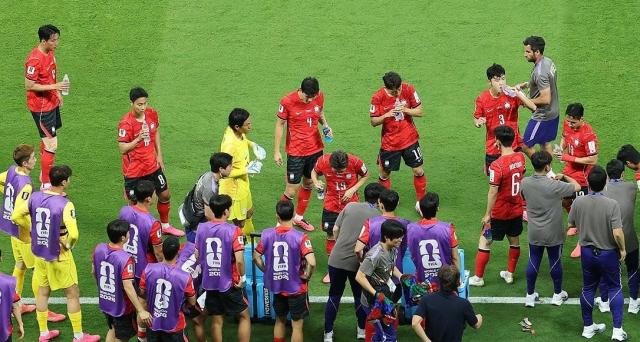
On June 14, local time, the Wall Street Journal reported that FIFA's decision to mandate hydration breaks during matches at the 2026 North America World Cup has led to growing discontent among soccer fans.
According to Yonhap News, this tournament, which is the first to be co-hosted by three countries—Canada, Mexico, and the United States—features mandatory hydration breaks of three minutes at the end of each half for all matches.
FIFA has stated that this measure is intended to protect players' health amid the hot summer weather in North America. However, broadcasters are using this time to air advertisements for beer and sports betting companies, prompting criticism from players and fans alike, who view it as an expansion of commercial advertising time.
Didier Deschamps, head coach of the French national team, remarked, "Those three minutes disrupt the flow of the game. We have to adapt, but I’m sure broadcasters are pleased with it."
Documentary filmmaker Randy Wilkins expressed disappointment, saying, "I want to immerse myself in the game, but I’m constantly reminded that this is ultimately a money-making scheme. It’s very disappointing."
The hydration break was first introduced during the 2014 World Cup in Brazil, where it was only implemented when temperatures exceeded 32 degrees Celsius. In contrast, this year's tournament mandates the breaks regardless of temperature.
For instance, during the opening match between the United States and Paraguay in Los Angeles, the temperature was only 22 degrees Celsius at halftime.
The Wall Street Journal noted that many in the soccer community believe the real aim is to increase advertising revenue rather than to protect players.
A total of 104 matches will be held during this World Cup. With three minutes of advertising time available at the end of each half, the tournament will see over 10 hours of additional advertising time.
John Kosner, a sports media consultant and former ESPN executive, stated, "It’s essentially divided soccer into four quarters, creating a significant advertising opportunity."
* This article has been translated by AI.
Copyright ⓒ Aju Press All rights reserved.