
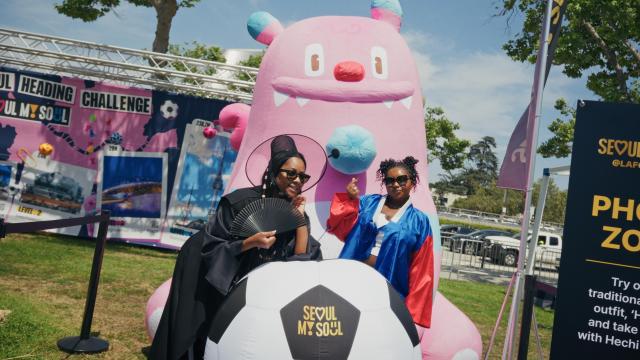
The 2026 North and Central America World Cup has kicked off, with the South Korean national soccer team starting strong with a victory in their first match, reigniting public interest in the sport. The World Cup serves as a platform that highlights not just sports but also the culture and image of participating countries. As people around the world watch the games, many are inspired to visit these nations.
Twenty-four years have passed since the 2002 Korea-Japan World Cup, and the global perception of South Korea has significantly changed. In the past, explaining the country required considerable time, but now, K-pop, K-dramas, and K-movies have become integral to daily life worldwide. Interest in Korean cuisine, tourist attractions, and cultural practices has surged, with more people wanting to visit Korea than simply learn about it.
The inbound tourism market is recovering rapidly. The government has set a goal of attracting 30 million foreign tourists and is focusing on developing the tourism industry. Given the ongoing population decline and sluggish domestic consumption, tourism is seen as a viable means to revitalize local economies and create new jobs.
However, tourism cannot be evaluated solely by numbers. While increasing visitor counts is important, the quality of their experiences is even more crucial. Tourists' first encounters in Korea are not K-pop concert venues or drama filming locations, but rather the transportation network from the airport to their destinations, the accommodation booking process, and the tourist information systems. Factors such as the ease of finding restaurants, the convenience of payment methods, and the safety of late-night travel significantly influence overall satisfaction.
A review of the current situation reveals several areas needing improvement. The recurring controversies over accommodation pricing during major events and international gatherings persist. Although there have long been calls to distribute tourism demand from Seoul and the surrounding metropolitan area to other regions, results have not met expectations. To encourage foreign tourists to explore the countryside, attractive content must be complemented by robust transportation, lodging, and information systems. Unfortunately, the reality still has a long way to go.
It is encouraging that the government and local authorities are accelerating initiatives such as expanding digital tourism identification and promoting regional culinary tourism. However, merely increasing the number of projects is insufficient. An environment must be created that encourages tourists to visit, stay, and spend in these areas. Without supporting transportation networks, accommodations, and tourist information systems leading to rural areas, the effectiveness of policies will inevitably be limited.
The competitiveness of the tourism industry does not stem from grand slogans. Simple elements like clear signage, reasonably priced accommodations, and convenient transportation can transform tourists' memories. Conversely, a single instance of overcharging or rudeness can leave a lasting negative impression.
Many people already want to learn about Korea. What is now needed is to make Korea a country where visitors want to stay longer. More important than simply increasing the number of tourists is creating experiences that encourage repeat visits. The World Cup will eventually conclude, but tourism will continue. Before discussing the goal of attracting 30 million foreign tourists, we must first assess whether we are prepared to handle that number.
* This article has been translated by AI.
Copyright ⓒ Aju Press All rights reserved.