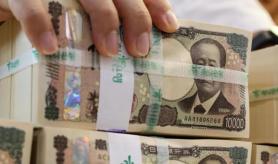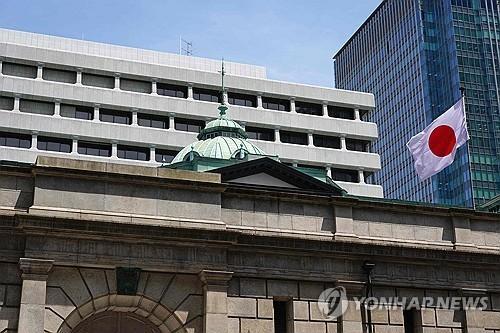
Japan, which has maintained near-zero interest rates since the mid-1990s to combat chronic deflation, is now confronting many of the same challenges facing South Korea: higher import costs stemming from a weak currency and elevated energy prices as both economies remain heavily dependent on Middle Eastern energy supplies.
Financial markets reacted calmly, suggesting the move had been widely anticipated.
The Nikkei 225 rose nearly 1 percent after trading largely flat before the announcement. South Korean markets showed little immediate impact, with the KOSPI up about 2 percent, while the dollar traded at 160.13 yen and 1,513.6 won as of 1 p.m. Seoul time. Korean government bond yields were mostly unchanged.
The BOJ also reaffirmed plans to continue reducing its government bond purchases through the January-March quarter of 2027 before stabilizing monthly purchases at around 2 trillion yen beginning in April 2027.
The decision marks the first return to the 1 percent range since September 1995, when the BOJ lowered its official discount rate from 1 percent to 0.5 percent.
While today's short-term policy rate is not directly comparable with the official discount rate used at the time, the move nonetheless signals a return to an interest-rate level Japan has not seen in more than three decades.
Inflationary pressures have continued to build. Japan's producer price index rose 6.3 percent from a year earlier in May, the fastest pace in three years.
Even after Tuesday's increase, however, Japan's policy rate remains among the lowest in the developed world.
The meeting also unfolded under unusual circumstances.
BOJ Governor Kazuo Ueda was absent after being hospitalized for treatment of an infected liver cyst, according to the central bank. Deputy Governor Ryozo Himino chaired the meeting in his place, while Deputy Governor Shinichi Uchida was scheduled to explain the decision during the post-meeting press conference.
For South Korea, the move narrows the policy-rate differential with Japan. With the Bank of Korea maintaining its benchmark rate at 2.50 percent, the gap between the two countries has narrowed to 150 basis points from 175 basis points previously.
Before the meeting, TD Securities described a June rate hike as a foregone conclusion, while Wells Fargo said the immediate impact on the yen would likely be limited, arguing that global energy prices and future policy decisions by the Federal Reserve System remain more important drivers of currency movements.
Investors are now expected to shift their attention to the BOJ's guidance on additional rate increases and its bond-purchase strategy beyond April 2027.

Copyright ⓒ Aju Press All rights reserved.