
The South Korean government is strengthening the establishment of an integrated monitoring system to oversee and prevent the misuse and illegal distribution of medical narcotics in real-time. The existing monitoring system, which previously took weeks for analysis, will transition to an AI-based continuous monitoring system that aims to identify and respond to suspicious cases within three days. This 'tightened monitoring network' is set to be operational by the end of the year. Additionally, a 'Special Monitoring Team for Medical Narcotics' will be launched next month to prevent the misuse of anesthetics such as propofol and ketamine.
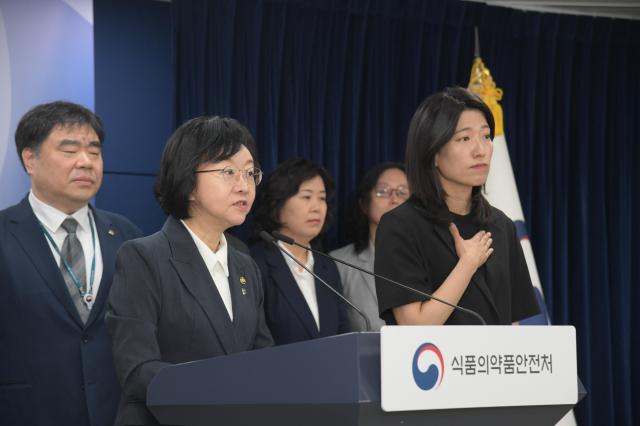
On June 18, the Ministry of Food and Drug Safety announced its 'Second Half Drug Safety Management Plan,' which includes strict sanctions, on-site monitoring, and comprehensive responses encompassing prevention and rehabilitation.
The government's heightened response comes as the misuse of medical narcotics and illegal handling has become a growing social issue. On June 16, a young woman was found collapsed in the heart of Gangnam, Seoul, with a vial of propofol and a syringe. Police have launched an investigation, and it was later confirmed that she worked at a nearby dermatology clinic, raising concerns about vulnerabilities in the management system for medical narcotics.
Oh Yu-kyung stated, "The second half drug safety management plan is centered on creating a sophisticated and tight safety net that includes institutional improvements for effective control of illegal activities, focused crackdowns, and the expansion of tailored prevention and rehabilitation efforts that meet demand and needs."
According to the Ministry, in the first half of this year, inspections were conducted at 307 medical institutions focusing on high-risk items such as propofol and appetite suppressants, resulting in 75 cases referred for investigation and 39 cases referred for administrative action. The number of inspected institutions increased by 130% compared to the same period last year.
Plans are in place to significantly enhance the monitoring system in the second half of the year. The 'Integrated Monitoring System for Drug Abuse (K-NASS)' will be established by the end of the year, reducing the time for identifying suspicious cases from the previous 2-3 weeks to within three days. The system will utilize AI to detect abnormal signs in real-time and will shift from conducting inspections 2-3 times a year to a year-round monitoring system.
On-site crackdowns will also be intensified. The 'Special Monitoring Team for Medical Narcotics,' composed of officials from the Ministry of Food and Drug Safety, local governments, and special judicial police, will launch next month to focus on inspecting anesthetics such as propofol, pethidine, and ketamine.
For serious violations, the government plans to impose punitive fines and increase the severity of sanctions. It is pushing for the introduction of 'punitive fines' for serious violations such as illegal distribution of narcotics, imposing economic responsibilities that exceed illegal profits. Measures will also include the public disclosure of violating institutions and strengthening employee management obligations (with administrative penalties tripled for violations).
The investigative system will also be reinforced. The scope of rewards for reporting drug-related crimes will be expanded, and undercover investigation techniques will be introduced to combat increasingly organized and sophisticated crimes. There are plans to establish grounds for inspecting those handling narcotics.
Measures to prevent misuse in medical settings will be tightened. The prescription history check conducted by doctors will now include zolpidem and propofol, and starting at the end of the year, a drug utilization review (DUR) system will be implemented that allows for verification of same-day prescription information. This aims to structurally prevent 'doctor shopping' by patients.
Prevention and rehabilitation policies will also be pursued concurrently. The government plans to expand experiential prevention education for youth and enhance systems that link treatment and rehabilitation for addicts with judicial penalties. Support for social reintegration through vocational training will also be strengthened.
Finally, Oh Yu-kyung emphasized, "We will concentrate all our efforts to create a safe daily environment free from narcotics."
On June 18, the Ministry of Food and Drug Safety announced its 'Second Half Drug Safety Management Plan,' which includes strict sanctions, on-site monitoring, and comprehensive responses encompassing prevention and rehabilitation.
The government's heightened response comes as the misuse of medical narcotics and illegal handling has become a growing social issue. On June 16, a young woman was found collapsed in the heart of Gangnam, Seoul, with a vial of propofol and a syringe. Police have launched an investigation, and it was later confirmed that she worked at a nearby dermatology clinic, raising concerns about vulnerabilities in the management system for medical narcotics.
Oh Yu-kyung stated, "The second half drug safety management plan is centered on creating a sophisticated and tight safety net that includes institutional improvements for effective control of illegal activities, focused crackdowns, and the expansion of tailored prevention and rehabilitation efforts that meet demand and needs."
According to the Ministry, in the first half of this year, inspections were conducted at 307 medical institutions focusing on high-risk items such as propofol and appetite suppressants, resulting in 75 cases referred for investigation and 39 cases referred for administrative action. The number of inspected institutions increased by 130% compared to the same period last year.
Plans are in place to significantly enhance the monitoring system in the second half of the year. The 'Integrated Monitoring System for Drug Abuse (K-NASS)' will be established by the end of the year, reducing the time for identifying suspicious cases from the previous 2-3 weeks to within three days. The system will utilize AI to detect abnormal signs in real-time and will shift from conducting inspections 2-3 times a year to a year-round monitoring system.
On-site crackdowns will also be intensified. The 'Special Monitoring Team for Medical Narcotics,' composed of officials from the Ministry of Food and Drug Safety, local governments, and special judicial police, will launch next month to focus on inspecting anesthetics such as propofol, pethidine, and ketamine.
For serious violations, the government plans to impose punitive fines and increase the severity of sanctions. It is pushing for the introduction of 'punitive fines' for serious violations such as illegal distribution of narcotics, imposing economic responsibilities that exceed illegal profits. Measures will also include the public disclosure of violating institutions and strengthening employee management obligations (with administrative penalties tripled for violations).
The investigative system will also be reinforced. The scope of rewards for reporting drug-related crimes will be expanded, and undercover investigation techniques will be introduced to combat increasingly organized and sophisticated crimes. There are plans to establish grounds for inspecting those handling narcotics.
Measures to prevent misuse in medical settings will be tightened. The prescription history check conducted by doctors will now include zolpidem and propofol, and starting at the end of the year, a drug utilization review (DUR) system will be implemented that allows for verification of same-day prescription information. This aims to structurally prevent 'doctor shopping' by patients.
Prevention and rehabilitation policies will also be pursued concurrently. The government plans to expand experiential prevention education for youth and enhance systems that link treatment and rehabilitation for addicts with judicial penalties. Support for social reintegration through vocational training will also be strengthened.
Finally, Oh Yu-kyung emphasized, "We will concentrate all our efforts to create a safe daily environment free from narcotics."
* This article has been translated by AI.
Copyright ⓒ Aju Press All rights reserved.