
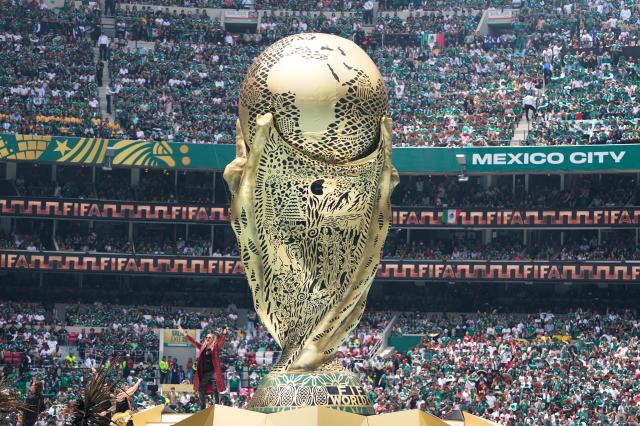
The 2026 FIFA World Cup is expected to generate unprecedented financial activity. This tournament will be the first to be jointly hosted by the United States, Mexico, and Canada, with the number of participating countries increasing from 32 to 48. The number of matches will rise from 64 to 104, and the tournament duration will extend to 39 days, ten days longer than the 2022 Qatar World Cup.
With the expanded scale of the tournament, revenue is also projected to soar. FIFA estimates that the World Cup will contribute approximately $40.9 billion to the global GDP, with an economic impact of $17.2 billion in the United States alone. The extended tournament period is expected to boost consumer spending and tourism. Wall Street anticipates gains for companies in the beverage, airline, and broadcasting sectors.
The advertising market is also buzzing. For the first time, FIFA will introduce halftime performances during the final and will implement hydration breaks in both halves, effectively increasing advertising time. British broadcaster ITV has likened the tournament to a “six-week Super Bowl,” anticipating a significant increase in ad revenue. In the UK, the cost of a 30-second ad during domestic matches is expected to reach up to £300,000 (about $370,000). Nike, which plans to air a six-minute ad, could spend around £3.6 million (about $4.4 million) for a single spot. In the U.S., excitement is high, with an estimated economic impact of $3.3 billion (about $5 trillion) in the New York and New Jersey area alone.
As expectations for economic benefits rise, Netflix, the world’s largest streaming platform, is expanding its partnership with FIFA to capture a share of the broadcasting market. The competition surrounding the World Cup is now extending into the media sector.
However, not everyone is benefiting from this financial boom. In Mexico, soaring ticket prices have made it difficult for ordinary citizens to attend matches. Critics argue that the World Cup is transforming from a celebration of soccer fans into a profit-driven event.
Increased Advertising Time... Is Netflix Entering the Broadcasting Race?
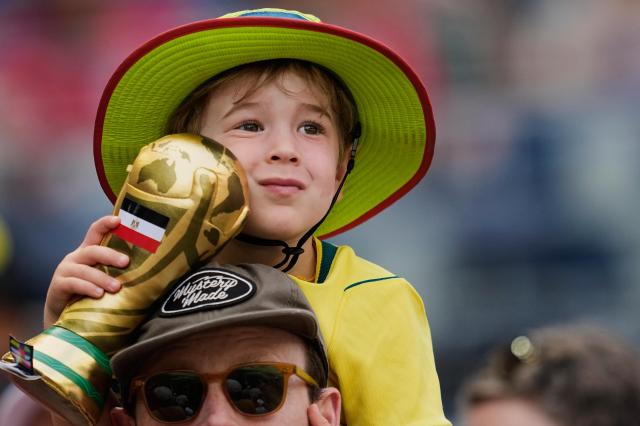
However, some in the soccer community are concerned about the excessive commercialization of the World Cup. They argue that performances disrupt the flow of the game, undermining the unique continuity and tension that soccer offers. Critics claim the World Cup is becoming more of an entertainment show.
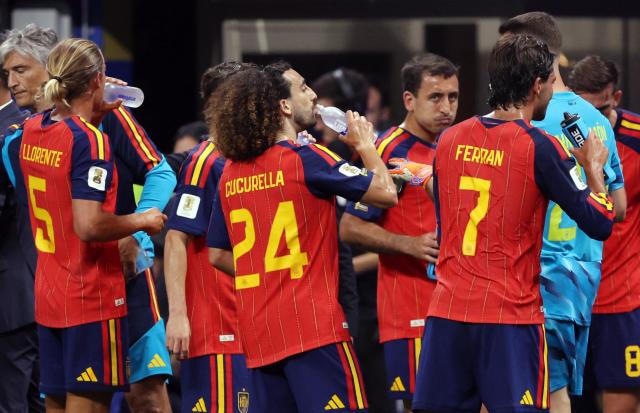
The introduction of hydration breaks, aimed at ensuring player safety, has also sparked controversy. U.S. broadcaster Fox faced backlash after airing full advertisements during a hydration break in the second half of the Mexico-South Africa match, causing them to miss about ten seconds of gameplay. According to FIFA, the principle is to resume broadcasting 30 seconds before the game restarts.
As FIFA expands its advertising business, Netflix is also looking to capitalize on the World Cup's financial opportunities. The streaming service has secured broadcasting rights for the 2027 and 2031 FIFA Women’s World Cups in the U.S. and has expressed interest in the 2030 Men’s World Cup rights. On the opening day of the tournament, Netflix launched an official World Cup game, 'FIFA World Cup: Launch Edition,' developed in collaboration with FIFA. The company is also increasing its investment in related content, including documentaries and podcasts.
More Entertainment Options, But Ticket Prices Soar
While there are more entertainment options, ticket prices have skyrocketed, causing frustration among soccer fans. FIFA has introduced 'Dynamic Pricing' for this tournament, where ticket prices increase as demand rises. As a result, ticket prices for some matches have reportedly increased by nearly five times compared to the 2022 Qatar World Cup. Many fans argue that these prices are unaffordable for average workers.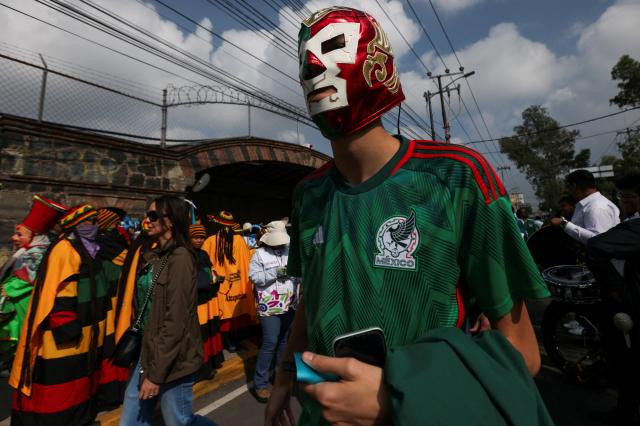
The match between South Korea and the Czech Republic on June 12 highlighted the controversy over high ticket prices. FIFA announced an attendance of 44,985, nearly a full house, but empty seats were visible on the broadcast, leading to criticism that demand was miscalculated. While FIFA claims ticket sales have exceeded 6 million, indicating a successful turnout, many global soccer fans argue that the high ticket prices have made it nearly impossible for average fans to attend matches. Claudia Sheinbaum, the President of Mexico, criticized the exorbitant ticket prices, stating she would give her ticket to a young soccer fan and chose not to attend the opening match.
* This article has been translated by AI.
Copyright ⓒ Aju Press All rights reserved.