
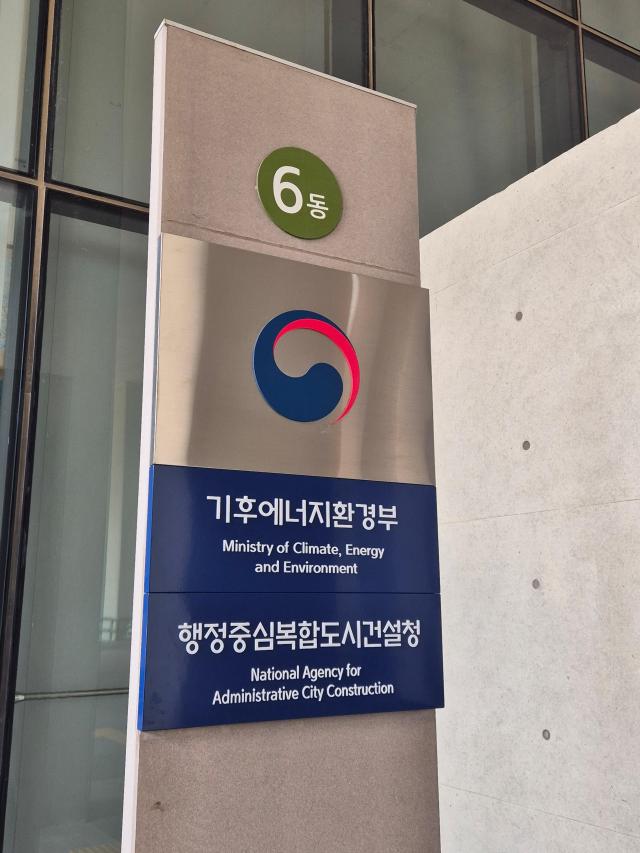
On June 24, the Ministry of Climate, Energy and Environment announced the formal implementation of grid-forming technology, which enhances the voltage and frequency control functions of inverter-based systems, including energy storage systems (ESS) and solar power.
Unlike traditional methods where inverters merely follow the voltage and frequency of the power grid, grid-forming technology allows inverters to autonomously establish and maintain these parameters. This technology is seen as a solution to compensate for the declining system inertia due to the expansion of renewable energy facilities and to improve grid stability.
The government has collaborated with Korea Electric Power Corporation, Korea Power Exchange, and experts from academia and research institutions, as well as domestic inverter manufacturers, to establish performance requirements for grid-forming that are suitable for the domestic transmission environment.
The new performance standards will apply to long-duration battery energy storage systems (BESS) entering commercial operation in the centralized contract market starting December 2027. Related businesses must comply with performance requirements and operational standards according to the regulations for electric facilities used in transmission and distribution and the rules for power market operations.
According to the 11th Basic Plan for Power Supply and Demand, the government plans to introduce 540 MW of long-duration BESS in 2027 and 2028, and 600 MW in 2029.
Industry experts believe that ESS equipped with grid-forming technology will not only serve as a simple power storage solution but also play a role in stabilizing the power grid. This is expected to help mitigate potential grid instability issues that may arise during the expansion of solar and wind power generation.
The Ministry of Climate plans to expand support for domestic inverter manufacturers to enhance their competitiveness in overseas markets based on this technology.
Lee Jae-sik, Director of Power Grid Policy at the Ministry, stated, "As the transition to a renewable energy-centered system accelerates, ensuring grid stability is crucial. We will enhance system stability through the operation of ESS equipped with grid-forming capabilities."
* This article has been translated by AI.
Copyright ⓒ Aju Press All rights reserved.