
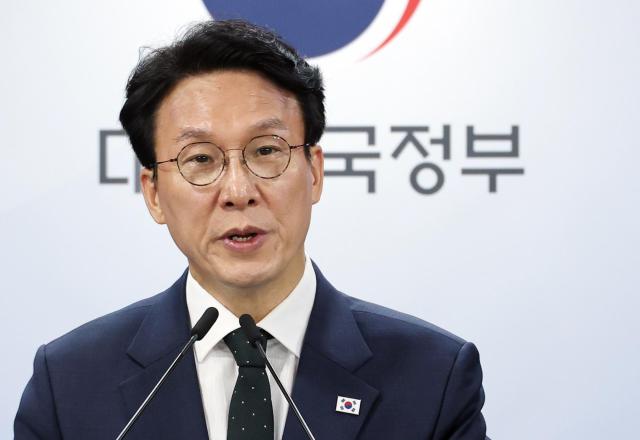
SEOUL, June 25 (AJP) -The South Korean government remains firm to its reform outline to keep prosecutorial role strictly to indictment, said Prime Minister Kim Min-seok said Thursday.
Speaking at a policy briefing at the Government Complex Seoul, Kim said the Lee Jae Myung administration’s core principle for prosecution reform is the separation of investigation and indictment functions.
“The basic principle of prosecution reform pursued by the Lee Jae Myung government is the separation of investigation and prosecution,” Kim said.
“In line with that principle, I have consistently maintained that prosecutors’ authority should not have the authority for an additional investigation (after a case is transferred by the police)."
Kim said the government had reviewed various opinions on the issue and finalized the abolition of supplementary investigation powers as its basic position. He added that the government would convey that position to the ruling Democratic Party (DP) and would refrain from submitting a separate legislative proposal, leaving further debate and decisions to the National Assembly.
He said lawmakers should determine the details of the system and related legislation through sufficient discussion and deliberation. The government would implement follow-up measures once legislation is passed, he added.
His briefing came amid growing political attention to prosecution reform within the ruling camp.
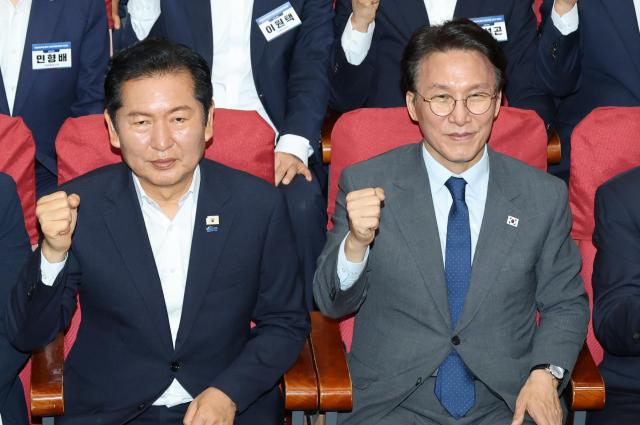
Kim, who is widely expected to return to politics in Seoul’s Yeouido district and formally declare a bid in the DP’s August leadership election, held a standalone briefing to underscore the government’s position on one of the most contentious issues in the reform debate.
His potential rival for the party leadership, former Democratic Party leader Jung Chung-rae, reiterated his support for a tougher reform line earlier Thursday, writing on Facebook: “Complete abolition of supplementary investigation authority. Right now.”
The issue has also drawn attention from some of President Lee’s more progressive supporters. Recent appointments of former prosecutors to senior presidential offices, including positions overseeing civil affairs and judicial affairs, have prompted questions among some ruling party supporters about the administration’s commitment to prosecution reform.
Under Korea’s criminal justice system, supplementary investigation authority allows prosecutors to conduct additional investigative work after receiving cases from police. Whether prosecutors should retain the authority has emerged as a key issue in ongoing efforts to redefine the roles of prosecutors and police.
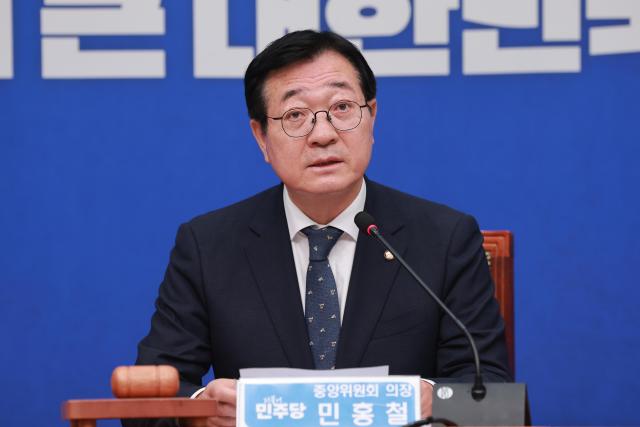
Rep. Min Hong-chul of the DP, a four-term lawmaker, said the National Assembly should respect the government's position and that its role going forward is to ensure that "even if supplementary investigation authority is completely abolished, there are checks and balances in place so that the police do not abuse their power or cause harm to the public, because the issue is directly related to the rights of citizens and the interests of victims."
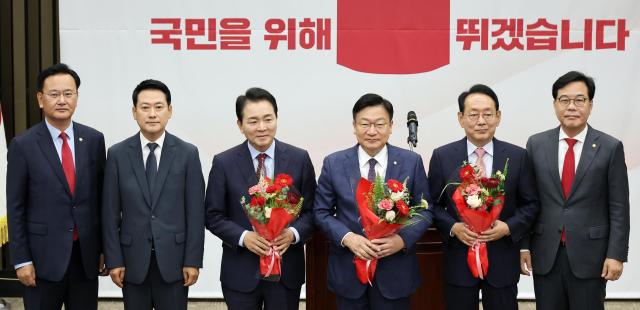
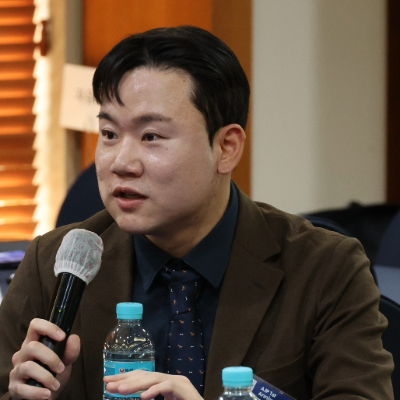
Yoo argued that “police investigations cannot be perfect” and that abolishing supplementary investigation authority would increase the likelihood that guilty people could go free or innocent people could be wrongly accused.
He added that “the only reason DP lawmakers are trying to completely abolish supplementary investigation authority is to carry out what hard-line supporters want in order to win the party leadership election.”
Copyright ⓒ Aju Press All rights reserved.
