
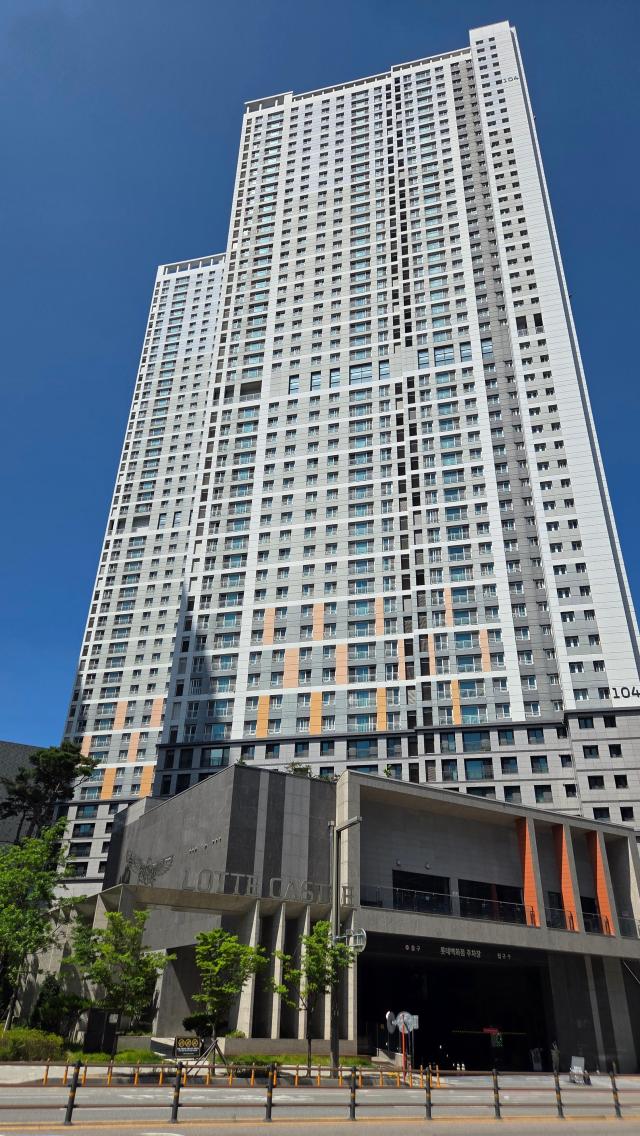
The South Korean government has designated Dongtan in Hwaseong, Giheung in Yongin, and Guri as regulated areas, sparking controversy over the timing of these regulations. This move comes after significant increases in housing prices, with simultaneous restrictions on loans, taxes, and land transaction permits.
According to the Korea Real Estate Agency, as of the fourth week of June, apartment prices in Dongtan have risen by 11.38% this year. Guri's prices have increased by 7.87%, nearing 8%, while Giheung has seen a 6.21% rise. In comparison, the overall increase in Gyeonggi Province was just 2.67%. Dongtan's growth rate is more than four times the provincial average, and Guri's is nearly three times higher. Monthly statistics from the Ministry of Land, Infrastructure and Transport also show that Dongtan's price increase accelerated from 0.78% in February to 1.57% in May, with Giheung and Guri maintaining strong performance.
While the necessity for regulation is acknowledged, many in the market believe the timing is too late. A real estate expert noted, "Prices in areas like Dongtan have surged in a short period, leading to questions about whether the government missed the right moment to impose regulations. While these measures may temper further price increases, they are unlikely to reverse the gains already made."
The Ministry of Land, Infrastructure and Transport stated that it considered market trends and designation criteria comprehensively. A ministry official explained, "We took into account quantitative criteria, including subscription competition rates and supply conditions, along with qualitative factors. Given recent issues such as the implementation of increased capital gains tax for multiple homeowners, we decided to proceed with the designations."
With this designation, Dongtan, Giheung, and Guri will simultaneously face regulations as speculative overheating zones, adjustment target areas, and land transaction permit zones. The effects of the speculative overheating and adjustment target area designations will begin on July 1, while the land transaction permit regulations will take effect on July 5 and remain in place until December 31, 2027. For home purchases, loan-to-value ratios of 40% will apply to first-time buyers and those with one home under certain conditions, effectively blocking loans for current homeowners. Additional taxes for multiple homeowners and restrictions on subscriptions and resale will follow.
The land transaction permit regulations specifically target investment demand. Buyers of properties above a certain size will need approval from local governments, and transactions not intended for actual residence will be restricted. This makes gap investments, where buyers purchase homes with existing tenants, significantly more challenging, likely dampening short-term investment demand.
Dongtan and Giheung have attracted both residential and investment demand due to the presence of Samsung Electronics' Hwaseong and Giheung campuses, the Yongin semiconductor cluster, and the opening of the GTX-A line. In Guri, the expectation of improved accessibility to Seoul and development around transit stations has spurred buying interest amid broader regulatory measures in the capital.
Experts believe the new regulations will likely cool buyer sentiment in the short term. Park Won-gap, a senior real estate expert at KB Kookmin Bank, stated, "With stricter loan regulations and increased burdens from acquisition, holding, and capital gains taxes, buyer interest is expected to wane. The premium from exemptions to the land transaction permit may have inflated prices, so caution is advised for potential buyers."
However, it remains uncertain whether the market will stabilize immediately. There may be a surge in last-minute transactions before the regulations take effect, and afterward, sellers might withdraw listings rather than reduce prices, leading to a phenomenon known as inventory lock-up. Shin Yang-ji, a specialist at Shinhan Premier Pathfinder, remarked, "In designated areas, the tightening of loan regulations and tax and subscription restrictions will likely suppress buyer sentiment and reduce transaction volumes, making a short-term market cooling almost inevitable. Following the regulations, both buyers and sellers are likely to adopt a wait-and-see approach, which could further slow price increases."
There are also predictions that the regulations could impact demand for higher-end properties in the metropolitan area. Nam Hyuk-woo from Woori Bank's real estate research institute noted, "With the decrease in buyer interest in these newly regulated areas, demand for properties in Suwon's Gwanggyo, Seongnam's Bundang, Yongin's Suji, and Seoul's Gangdong District may also decline."
A key concern is the potential for a balloon effect. When specific areas are regulated, investment demand may decrease, but rather than disappearing, it could shift to adjacent non-regulated areas or regions that have seen less price growth. An industry insider commented, "Given that Dongtan and Guri have already experienced significant price increases this year before being included in the regulated areas, it is difficult to avoid the controversy surrounding reactive measures. While the land transaction permit regulations may effectively curb gap investments, without a corresponding increase in supply confidence, the balloon effect could recur."
* This article has been translated by AI.
Copyright ⓒ Aju Press All rights reserved.