
[Photo from Ajou Economic DB]
The South Korean government is set to revise its waste fee system to reduce everyday plastic use and promote resource recycling. The plan aims to increase the waste fee, which has been frozen for 14 years since 2012, to boost recycling rates.
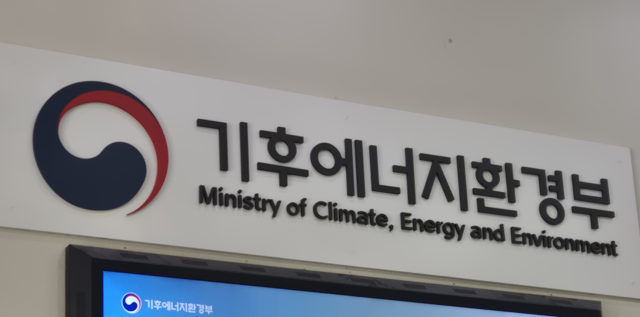
On June 30, the Ministry of Climate, Energy and Environment held a meeting at the Seoul Business Center to discuss improvements to the waste fee system. The waste fee system imposes costs on manufacturers and importers of products, materials, and containers that are difficult to recycle.
During the meeting, the ministry plans to discuss the production and usage of short-lived plastic products, such as single-use items, their recycling potential, and the criteria and rates for imposing waste fees.
The government's review of fee adjustments comes amid criticism that the current system does not effectively incentivize waste reduction. Currently, fees are imposed on single-use diapers, cigarettes, and plastic manufacturers, but the fee rates have remained unchanged since 2012.
The government aims to encourage market participants, including manufacturers, to use recycled materials and integrate into recycling systems by overhauling the waste fee structure. This is expected to help curb plastic use and increase recycling rates.
The meeting will also delve into the current operation and issues of the waste fee system, as well as trends in international systems like plastic taxes, to discuss future directions for reform and specific implementation plans.
Kim Go-eung, Director of the Resource Circulation Bureau at the Ministry of Climate, stated, "It is time to revise the waste fee system to fulfill the historical task of transitioning to a plastic-free circular economy. We will strive to design the system carefully, balancing its effectiveness and social acceptance."
On June 30, the Ministry of Climate, Energy and Environment held a meeting at the Seoul Business Center to discuss improvements to the waste fee system. The waste fee system imposes costs on manufacturers and importers of products, materials, and containers that are difficult to recycle.
During the meeting, the ministry plans to discuss the production and usage of short-lived plastic products, such as single-use items, their recycling potential, and the criteria and rates for imposing waste fees.
The government's review of fee adjustments comes amid criticism that the current system does not effectively incentivize waste reduction. Currently, fees are imposed on single-use diapers, cigarettes, and plastic manufacturers, but the fee rates have remained unchanged since 2012.
The government aims to encourage market participants, including manufacturers, to use recycled materials and integrate into recycling systems by overhauling the waste fee structure. This is expected to help curb plastic use and increase recycling rates.
The meeting will also delve into the current operation and issues of the waste fee system, as well as trends in international systems like plastic taxes, to discuss future directions for reform and specific implementation plans.
Kim Go-eung, Director of the Resource Circulation Bureau at the Ministry of Climate, stated, "It is time to revise the waste fee system to fulfill the historical task of transitioning to a plastic-free circular economy. We will strive to design the system carefully, balancing its effectiveness and social acceptance."
* This article has been translated by AI.
Copyright ⓒ Aju Press All rights reserved.