
As South Korea prepares to mandate the use of sustainable aviation fuel (SAF) next year, the airline industry is grappling with the challenges of carbon regulation and rising costs. While SAF is seen as a viable option for achieving carbon neutrality in aviation, its limited supply and high prices pose significant burdens for airlines.
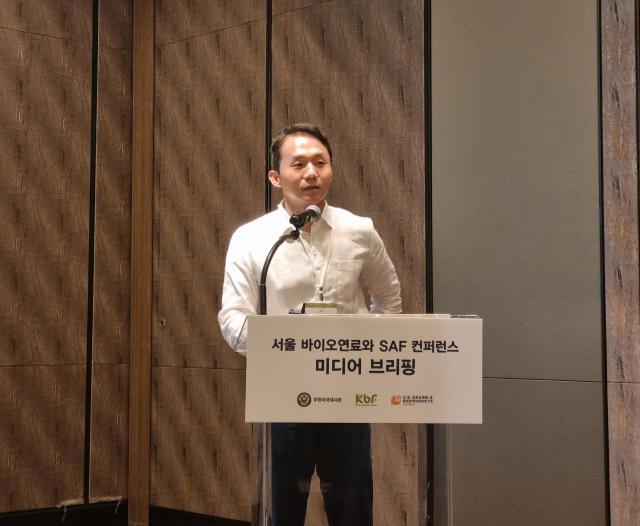
Experts expressed these concerns during the '2026 Seoul Biofuels and SAF Media Conference' held at the Four Seasons Hotel in Jongno, Seoul, on June 30.
SAF is a low-carbon jet fuel blended with conventional jet fuel, produced from sustainable sources such as used cooking oil, animal fats, and biomass. It allows airlines to utilize most existing aircraft engines and fueling infrastructure, making it a key tool for carbon reduction in the industry.
Starting next year, South Korea will implement a blending mandate for SAF, beginning with a 1% mix and aiming to increase it to 3-5% by 2030. While fuel suppliers are primarily responsible for meeting this mandate, the resulting increase in fuel prices is likely to impact airlines' operating costs and ticket prices. Airlines must increase their use of SAF to comply with carbon regulations, but they also face the challenge of rising expenses.
The most significant obstacles are the price and supply of SAF. Not only is SAF more expensive than conventional jet fuel, but global production is currently insufficient to meet demand. According to the International Air Transport Association (IATA), SAF accounts for less than 1% of total jet fuel production. Given that fuel costs represent a substantial portion of airlines' operating expenses, a higher blending ratio will inevitably increase profitability pressures. Low-cost carriers (LCCs), which rely heavily on competitive pricing, may find it particularly challenging to pass on these cost increases to ticket prices.
Kim Joo-ho, IATA's Manager of Fuel Supply Chain, noted that the SAF market is still in its early stages and needs to grow. He highlighted that SAF prices are currently about three times higher than conventional jet fuel prices in Europe, where SAF became mandatory last year. He added that airlines are paying nearly four times the cost to suppliers, which could lead to significant financial difficulties given the typically low profit margins in the airline industry.
Experts emphasize the need for a combination of diverse SAF production technologies and government policy support. Currently, most SAF is produced from used cooking oil (HEFA), but expanding production will require commercializing various technologies, including alcohol-to-jet (ATJ), Fischer-Tropsch synthesis (FT), and power-to-liquid (PtL). They also called for predictable policies such as production tax credits, investment support, and long-term blending mandates to foster market growth.
* This article has been translated by AI.
Copyright ⓒ Aju Press All rights reserved.